Water tank cleaning – Process and safety measures
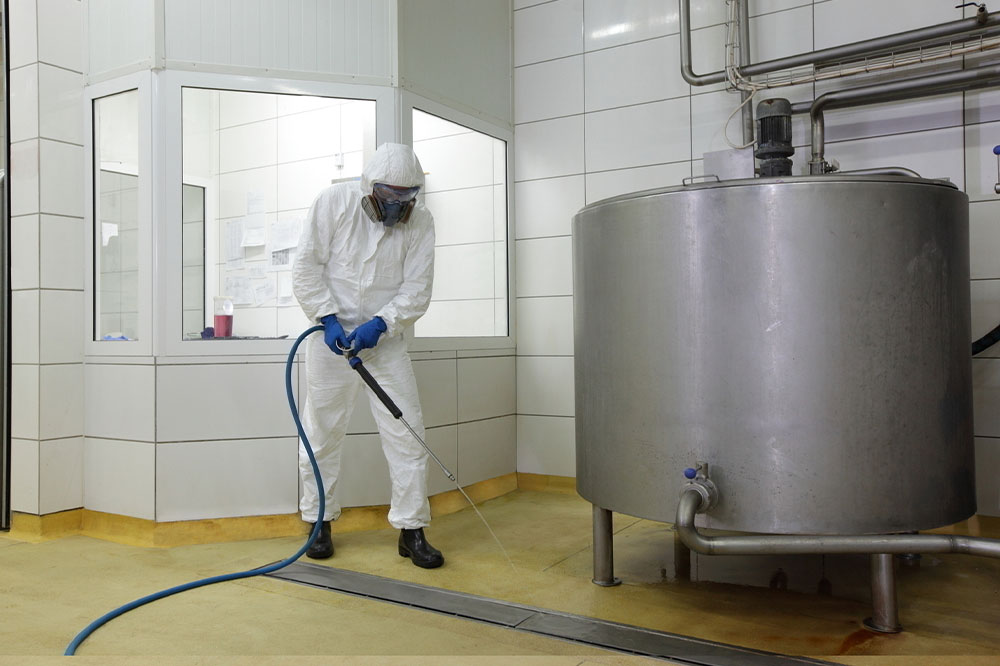
Regular cleaning of home water tanks is crucial to maintaining the quality and safety of the stored water. The process helps remove sediment, bacteria, and other contaminants while prolonging the tank’s lifespan. This article will present a comprehensive, step-by-step process for cleaning your home water tank. Additionally, we will discuss important safety measures to consider throughout the cleaning process, ensuring the well-being of yourself and your household.
Step-by-step process to clean a water tank
Here are the steps to clean a water tank:
- Conduct a thorough inspection of the water tank
Before initiating the cleaning process, it is important to assess the condition of your water tank. The inspection can include the tank’s depth, the debris’s location, dirt and other sediments that need to be cleared, the tank’s design, and its overall condition. You can also go over the tank and look for potentially risky cleaning areas. A risk assessment helps avoid mishaps and ensures a smoother cleaning process. - Disinfect the tools
Cleaning a tank may require using many tools, including bleach, a mop, a vacuum that can be either dry or wet, and a pressure washer or pump if needed. These tools may have been stored for an extended period and are likely to harbor bacteria. So it’s important to disinfect them thoroughly before use. Skipping this step would transfer the contamination to the water tank and, ultimately, to the water you consume. To maintain hygiene standards, you can prepare a solution of one part bleach to four parts hot water in a clean bucket and wash the tools. - Drain the water tank
It’s important to ensure that the water tank is empty before beginning the cleaning work. Open the exit valve to release the water, preventing localized flooding. Collect any remaining water using a bucket. Remember to conserve water by utilizing it for other purposes, such as watering plants or cleaning outdoor areas. - Clean the inside of the water tank
Sprinkle liquid detergent and baking soda on the tank walls, creating a cleaning mixture. Scrub the interior of the tank using an abrasive sponge or bristle brush. Apply horizontal pressure and ensure all areas are thoroughly cleaned. Avoid using sponges or brushes with steel bristles. Clean and rinse all hoses, pumps, and pipes used for tank filling and emptying. - Wash and rinse your water tank
Rinse the tank thoroughly to get rid of any residue. A pressure washer will yield the best results, ensuring a thorough cleaning. Continue rinsing until the water runs clear. Alternatively, if a pressure washer is unavailable, you can fill the tank with hot water and allow it to stand for a few hours before draining. - Disinfect the water tank
It’s best to use an antibacterial spray or add 5 ml of liquid bleach for every liter of water in the tank. This will ensure optimal results. For example, you can open the valve to the distribution line and run water from all taps until the smell of bleach is evident, ensuring complete sterilization of the taps and pipes. Allow the bleach to sit in the tank overnight or for at least 4 hours. - Safely empty and dry the water tank
Run all the taps until the tank is dry. Dispose of the disinfecting water properly with the assistance of a water and sewer delivery service. Refill the tank with fresh water, let it stand for 30 minutes, and flush the entire system until there’s no bleach odor. Replace the tank lid securely to prevent debris from entering the clean tank, and leave the tank to dry.
Cleaning safety measures to follow
Water tank cleaning has certain potential concerns that should be managed with caution and safety precautions. Because tanks are small, they have little ventilation, making entering and escaping difficult. Fires, explosions, oxygen shortages, physical dangers, radiation exposure, and environmental pollution are some of the hazards. Cleaning safety measures for water tanks prioritize the well-being of the users and ensure a safe and compliant process. Here are some essential safety measures you should consider:
- First aid on-site
During the cleaning process, it’s important to consider having a first-aid kit to respond promptly to any injuries or emergencies that may arise. This ensures that immediate medical assistance is available if needed. - Personal protective equipment
A personal protective equipment (PPE) kit may include boots, eye protection, hard hats, gloves, respiratory protection, masks, or even a harness. These gears will protect you from any potential hazards, including chemicals and tank contamination. - Proper ventilation
The tank is an enclosed space, so it’s important to ensure that you have access to proper ventilation while at work. This will help minimize the risk of inhaling harmful fumes or gases released during cleaning. You can have another man assist with the cleaning and act promptly in case of emergencies. - Electrical safety
If the water tank is equipped with electrical components or heaters, you should ensure the power supply is turned off before cleaning. This will help prevent any electrical accidents or shocks. - Secure ladder or platform
If you need access to the top of the water tank, you can use a ladder or a platform that is stable, secure, and sturdy enough to support your weight. However, you should avoid standing on the tank itself, as it may not be designed to bear a person’s weight. - Proper drainage
Before cleaning the tank, ensure a proper drainage system is in place to prevent water accumulation or flooding during the cleaning process. This will help maintain a safe working environment. - Cleaning products and chemicals
If you are using cleaning products or chemicals, it is advised to read through the manufacturer’s guidelines carefully and follow the instructions for safe usage. You should also be careful to store chemicals and products away from pets and kids. - Adequate lighting
You can take up the cleaning task during broad daylight and ensure the area around the water tank is well-lit. This will improve visibility and minimize the risk of accidents or injuries. - Professional assistance
Since tank cleaning may be risky, the best course of action to safeguard your health, avoid environmental problems, and lower overall danger is to hire skilled specialists to clean tanks. This is also a good option if you are unsure about the cleaning process or if your water tank requires specialized cleaning techniques. It is recommended to consult a professional or seek assistance from a qualified technician to ensure safe and effective cleaning.