Popular Articles

01

Avoid these 5 smartphone habits

For most people, it is next to impossible to get through the day without using smartphones at least a few times. You need to make calls, check updates on the go, and even use smart navigation systems on your phone. But some smartphone habits can severely hamper productivity, affect your health, and may make you overly dependent on the gadget. So, here are five smartphone habits to keep in check: Using an alarm app Using your phone as an alarm clock might seem completely harmless. After all, apps on the phone let you set multiple alarms. But it never stops at hitting the snooze or dismiss button once you wake up. You will be tempted to check your phone for messages and social media, which will delay getting out of bed. Opt for a conventional alarm clock and keep your phone away from you at night to avoid checking anything after getting up. Ignoring software updates Smartphone care is as important as learning how to use the device in moderation. Many people make the mistake of postponing crucial software updates and granting necessary application permissions. These habits make the device extremely vulnerable to cyber-attacks that can access confidential data. Always keep your phone updated to ensure the latest security updates are installed.
Read More
02

7 foods that help fight against Bronchitis

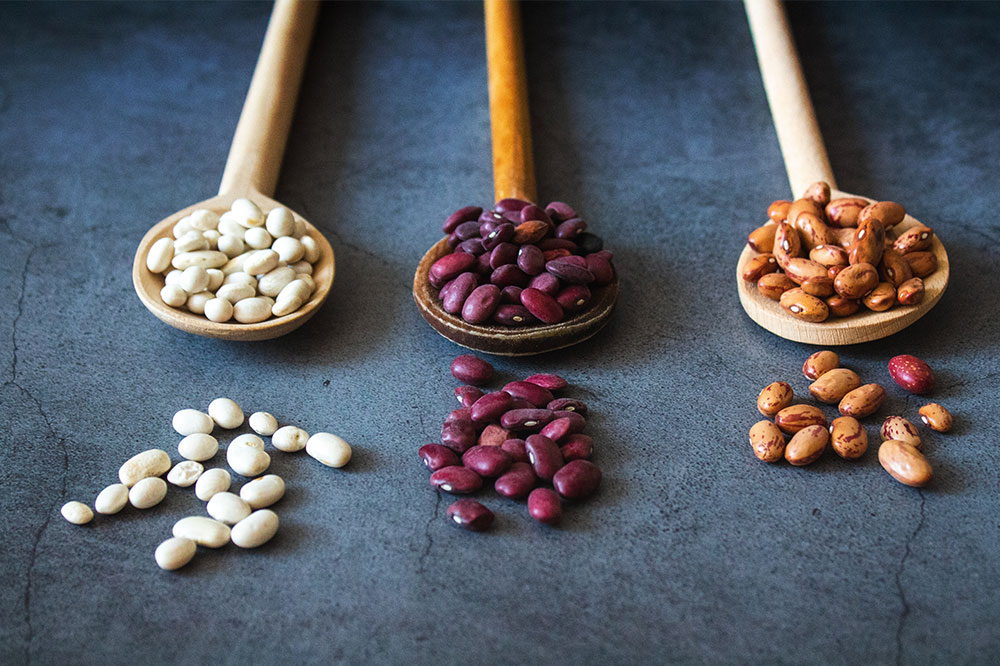
When you have bronchitis, it’s easy to overeat greasy, salty, or sugary foods to relieve the coughing, breathing, and throat pain. Alternatively, you may decide not to consume anything at all. However, you should take care and watch what you eat as refined carbs and saturated fats might impede recovery. Knowing which foods to avoid and which to eat may influence the severity of bronchitis symptoms. Here’s a list of a few items you should avoid. Foods with preservatives and additives Sulfites, a form of preservative, may aggravate bronchitis. Liquor, dried fruits, pickled foods, maraschino cherries, and lime juice all contain sulfites. Processed and quick meals frequently contain chemical additives, flavors, and colorings. Some bronchitis patients may be susceptible to or intolerant to these artificial components. Gas-forming foods Eating large meals or gas-producing foods strains the diaphragm, especially if you suffer from acid reflux. This can cause chest pains and asthma flare-ups. Beans, cabbage, carbonated beverages, onions, and fried dishes are examples of these foods. Sugar and HFCS Do you enjoy drinking sugar-laden colas? Be cautious. They can be dangerous to your health. Avoiding syrups, candies, and other sugary foods will help to relieve symptoms such as coughing, irritation, and discomfort in your lungs.
Read More
03

7 foods to avoid for a Crohns flare-up

Crohns disease is an inflammatory condition of the gastrointestinal tract that mainly occurs in the colon and the small intestine and can affect any part of the GI tract. It causes sudden and painful symptoms such as diarrhea, fever, cramps, bloody stool, and fatigue. While food doesn’t cause Crohns, it can perhaps worsen the disease by leading to flare-ups. Here are some foods one needs to avoid if they are experiencing discomfort due to Crohns. Grains Grains contain a lot of fiber, which can worsen the symptoms of Crohns. This is because a high amount of fiber can make your intestines work harder. This makes the normal digestive process difficult, leading to abdominal pain, cramps, and even bloating. Avoid eating whole wheat bread or pasta, rye products, and barley to prevent these painful symptoms. Spicy foods Regarding the worst foods for Crohns flare-ups, spicy foods rank among the top. Most foods with spices are rich in capsaicin, which causes a burning feeling inside your mouth and stomach. These include chili, paprika, pepper, nutmeg, clove, and mustard. Capsaicin increases the level of acids in your stomach and may worsen symptoms, such as stomach cramps, diarrhea, and acidity. Fibrous fruits and vegetables Like grains, fibrous fruits and vegetables don’t get digested easily, and can cause constipation and cramps – typical symptoms of Crohns flare-ups.
Read More