Try these 8 natural remedies for nasal polyps

Nasal polyps are soft, usually painless lumps that grow in the sinuses or nose as a result of specific allergies, infection, or inflammation. More often than not, the polyps do not result in severe symptoms. However, people with nasal polyps may experience sneezing, itching, difficulty in breathing, and runny nose, among other symptoms. While doctors can prescribe sprays for nasal polyps relief, the following natural remedies can also help relieve the symptoms.
Cayenne pepper
This hot and spicy food item contains capsaicin—a compound that is known for its ability to clear sinuses. Several studies have shown that this compound can help ease inflammation, open up nasal passages, and improve immunity. Consequently, one can reduce several nasal polyp symptoms by adding cayenne pepper to their food. Adding 1–2 teaspoons to the recipes should help with symptom relief. Alternatively, having a hot cayenne tea can also serve the purpose.
Peppermint
The key ingredient that makes peppermint one of the best natural remedies for nasal polyps is menthol. A study conducted in 2015 indicated that menthol possesses decongestant properties that not only help in clearing nasal passages but also treat common cold-like symptoms.
Neti pot
Using a neti pot is a form of nasal irrigation that can help reduce nasal polyp symptoms. It entails using a small pot filled with a warm salt water solution. The water is first sterilized or distilled, and then salt is added to make a solution. This solution is run through the sinuses and nasal passages to help dampen the mucus membranes. The process protects the mucus membranes from the invasion of irritants and allergens.
Steam inhalation
Steam can also help in easing nasal polyp symptoms. Several studies have demonstrated that steam inhalation along with nasal irrigation can help relieve symptoms like sinus inflammation-induced headaches. One can inhale the steam in several ways, like steam rooms, humidifiers, baths, and hot showers. One can even use a pot of hot, bubbling water and inhale the steam.
Tea tree oil
Tea tree is one of the most popular essential oils. Studies suggest that as an antimicrobial known for its anti-inflammatory properties, it reduces infection and itching. These features can help target the causes and symptoms of nasal polyps. One can mix 3–5 drops of this essential oil with each ounce of carrier oil (almond or olive oil) to dilute it. Then this solution can be dapped in the nasal passages using a cotton swab. This will open up the passages.
Chamomile
This tea flower has been used for ages to relieve inflammation and allergies—an effect that has been supported to an extent by a study conducted in 2010. One can use this remedy by preparing a solution with 3–5 drops of chamomile oil for each ounce of water. Then, this solution should be dabbed inside the nose using a cotton swab. This essential oil can also be added to hot water or a diffuser for steam inhalation.
Eucalyptus
Studies show that the oils of this Australian tree contain antimicrobial, decongestant, and anti-inflammatory properties, which can efficiently reduce symptoms associated with nasal polyps. The remedy can be used by preparing a diluted solution (with water) and dabbing it in the nasal passages. However, many people can be allergic to eucalyptus and should avoid using this remedy.
Turmeric
Turmeric has been used to ease inflammation for ages. Further, its anti-inflammatory properties can soothe irritation and inflammation of nasal passages. Nevertheless, there are no clinical studies to support that it eliminates nasal polyps permanently. The spice can be added to meals.
Make better food choices
In addition to natural remedies, the right foods can also help in managing nasal polyps symptoms. Certain nutrients can strengthen the immune system and the respiratory system, helping prevent infections, allergies, or inflammation. A well-balanced meal plan for those affected by this condition should include:
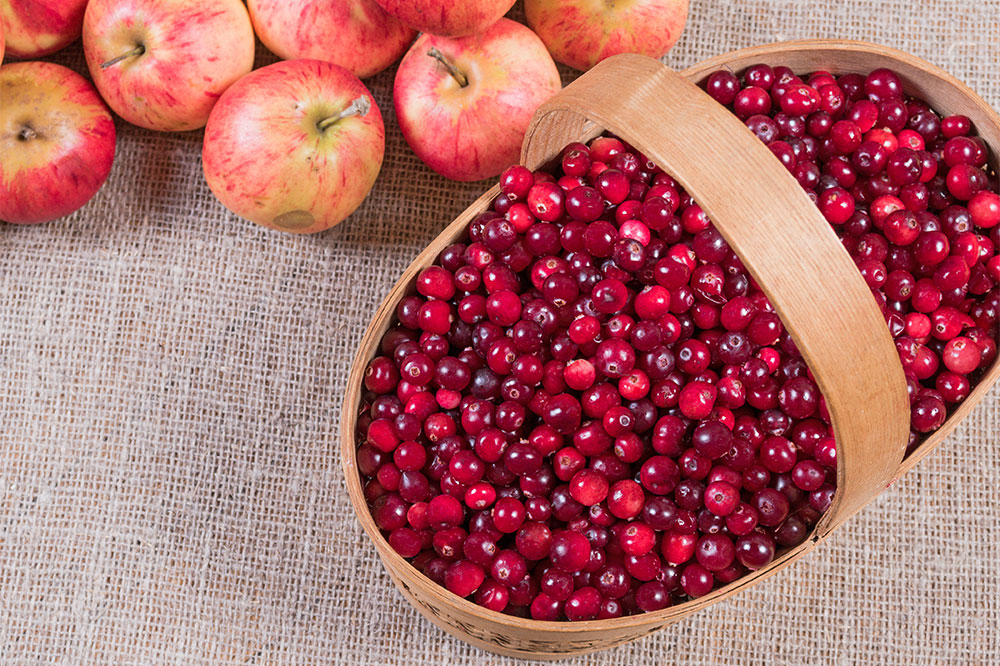
Flavonoid-rich foods: Red grapes, apples, broccoli, cherries, tea, citrus fruits, raspberries, and cranberries contain flavonoids that act as antioxidants to improve the immune system function.
Omega-3 fatty acids: One can get these healthy fats from flaxseeds, walnuts, and soybeans to fight inflammation.
Foods rich in beta-carotene and vitamin A: Add sources like mango, winter squash, apricots, and melons, as these nutrients can protect the sinuses.
Vitamin C and E sources: Tomatoes, citrus fruits, guava, berries, yellow and red bell peppers, and papaya are rich in vitamin C that can fight allergy-related symptoms. Almonds, avocadoes, pumpkin, and tofu are good sources of vitamin E that can help prevent allergic reactions.
One should also have an adequate fluid intake to moisten the mucus membranes and keep the allergens away. Moreover, certain foods can aggravate nasal polyps and so should be avoided. This includes foods with refined fats or those that contain common allergens like soy-based foods or gluten-based items (white bread). Food additives and preservatives like tartrazine, benzoates, glutamate, sulfites, and monosodium can also have allergens. MSG can also trigger allergic reactions and should be avoided.
While natural remedies and proper meals are beneficial and help manage mild symptoms, they may not be able to cure nasal polyps. Healthcare professionals can prescribe sprays as a nasal polyps relief option. Popular sprays are Flonase and Nasonex. However, one should consult a doctor before using sprays to relieve nasal polyps.