Tree pollen allergy – Symptoms, types, and prevention
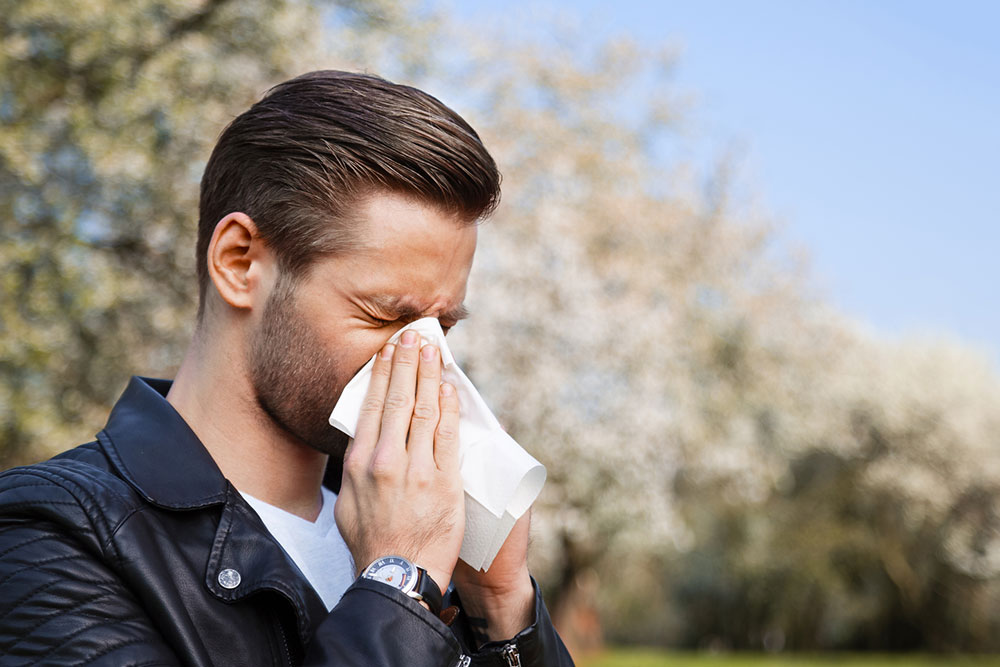
Tree pollen is a common trigger for allergies when plants start flowering around springtime. In some regions, trees may release pollen at the beginning of January and continue until June. Often, trees yield dry, light pollen carried for miles by the wind. Some think tree pollen will not affect them because they reside in a city, which is untrue. Tree pollen allergy can affect anyone because the fine particles travel quickly through the air.
Symptoms of tree pollen allergy
Pollen allergies from trees or plants can cause symptoms that resemble hay fever or allergic rhinitis. When the body comes in contact with pollen, it overreacts and soon releases a chemical histamine to shield against the allergen. This excess histamine release may trigger the following symptoms:
– Itchy throat
– Sneezing
– Coughing
– Runny nose
– Itchy eyes
– Watery eyes
– Itchy nose
– Itchiness on or at the mouth’s roof
– Nasal congestion
– Postnasal drip
– Feeling irritated
– Tiredness
– Swelling around the eyes
– Disturbed sleep
Asthma can aggravate tree pollen symptoms. Sometimes, one may be confused between the two because their signs are almost the same. If a symptom appears in the first few months of the year, it is probably induced by a tree pollen. Still, one should consult an expert if unsure about the cause and the symptoms persist.
Types of tree pollen allergies
Many tree species yield pollens. One may be allergic to a specific type or experience an allergic reaction to two, three, or more tree pollen species. Only the male tree causes a problem for some tree species, as their female counterparts do not have any pollen. While listing all the trees and plants that cause pollen allergy is impossible, learning about a few can help people be better prepared to handle the problem.
Cedar
Different types of cedar and juniper trees are closely related. Mountain cedar trees or Ashe juniper trees usually yield pollen in high concentrations. People with juniper allergies may develop a cedar fever.
Alder
White and red alder trees are spread across the country. People with alder pollen allergy may also have pollen food allergy syndrome caused by eating cherries, celery, apples, and raw fruits. This happens because alder pollen and these fruits have similar proteins.
Birch
Like alder, birches are spread nationwide, especially in gardens and yards. A birch tree can yield about five million pollen, making it one of the most common types of pollen trees that cause allergies.
Poplar
Several poplar tree species cause pollen allergies, which are most common in early spring and around March.
Cottonwood
Cottonwood is a fast-growing poplar species that triggers allergies when it pollinates. Usually, its white fluff is noticed in early spring or late winter.
Maple
Maple pollination happens early in the year for sugar maples and a few other species. Some trees may flower in July or June in the western part of the country.
Oak
Oak pollen allergies are also highly prevalent. These trees produce large quantities of pollen, which is transported via the wind. Oak trees are found across the country and pollinate in the spring.
Elm
Elm trees usually flower in January and February and continue through April. In the southern states, pollination occurs in late summer. Some may even pollinate into November.
Willow
Like cottonwood trees, the fluffy white cotton blowing from willow trees can trigger allergies.
Pine
Although pine trees release pollen, they do not cause allergies as often. They usually pollinate in the spring. Their nuts can also cause allergies, but the problem is rare.
Tips to prevent tree pollen allergies
Allergy prevention goes a long way toward ensuring good overall health. While there is no fool-proof way to avoid tree pollen, reducing the exposure can be the first line of defense. Here are some useful prevention measures:
– Be aware of the days when pollen is likely to strike.
– During the pollen season, wash clothes well. Dust off pollen and bathe after returning home.
– Mask up near trees to create a physical barrier to prevent pollen penetration.
– Use goggles to protect the eyes.
– Keep a tab on the pollen count and take extra precautions when the count is high.
– Keep track of the wind and avoid going out on windy days.
– Speak to a doctor and get tested for allergies to identify triggers.
– Use a line dryer or dry indoors to avoid pollen contact.
– Since pets may have pollen in their fur, bathe them frequently or keep them out of the bedroom.
– Use nasal sprays or sterile saline eye drops to flush out pollen.
– Keep the car and home windows shut during the high-pollen season.
– Run the air conditioner when the pollen is high in the air.
– Stay away from wooded areas in early spring.
– Pick species that do not trigger allergies when buying trees for the yard.
When someone develops tree pollen allergies, the allergist may prescribe nasal sprays, eye drops, and other treatments to manage the symptoms. But one must also do their bit to prevent the problem, especially during the pollen season. While m ost trees release pollen in the air during the springtime, the exact pollen season changes depending on one’s location and nearby tree species.