Top tips to ensure a healthy pregnancy
Before you deliver a baby and can take care of your it, you must also take care of yourself and the unborn child. You will find a lot of advice pouring from all corners, but what you must follow or drop is often challenging for a new mother to decide. This guide will discuss tips on improving your physical and eating habits while pregnant and even after delivering a child, such as the following:
Treatment options for pregnant women
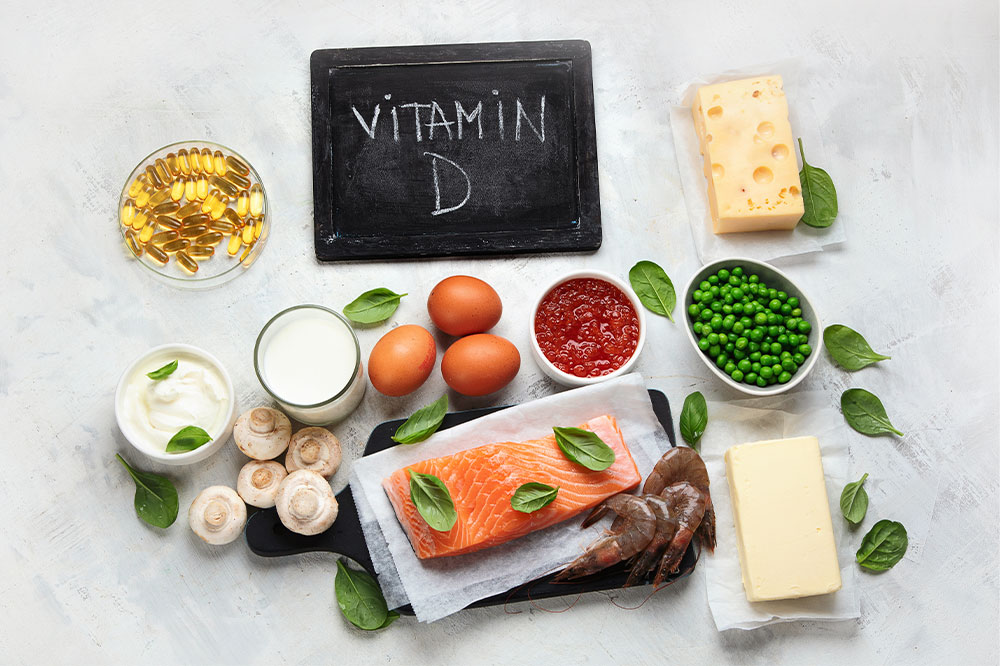
Every pregnant mother must take prenatal vitamins. It helps to start these vitamins early. Doctors recommend starting it the day you hear about your pregnancy, or even beforehand, if you are planning a family, because the baby’s neural tube develops into the spinal cord and brain in the first month. Thus, it is vital to add essential nutrients like iron, calcium, and folic acid, to your diet.
These vitamins are available at a pharmacy near you without a prescription, but you can also get a doctor’s prescription. Some people feel uneasy after taking these vitamins. So, consume them at night or pair them with a light snack. You can also have a candy or pop a chewing gum afterward.
In addition, you must also get a flu shot because the flu can make pregnant women very sick. Moreover, the disease increases the baby’s susceptibility to complications. Hence, get your flu shots at the right time to avoid any severe illness. It can protect your baby even after childbirth.
Foods to eat
Dairy and dairy byproducts
While pregnant, you need more calcium and protein in your foods to cater to your baby’s needs. So, add cheese, milk, and yogurt to your meals. Dairy has two proteins – whey and casein. It meets your body’s calcium, zinc, magnesium, B vitamins, and phosphorous requirements.
Whole grains
Whole grains have nutrients like folic acid, iron, B vitamin, Vitamin E, selenium, and magnesium. They are also a good fiber source and have phytonutrients that shield the cells. So, swap white bread for whole grains, and add several whole grains like oats, buckwheat, and barley to your diet.
Kale
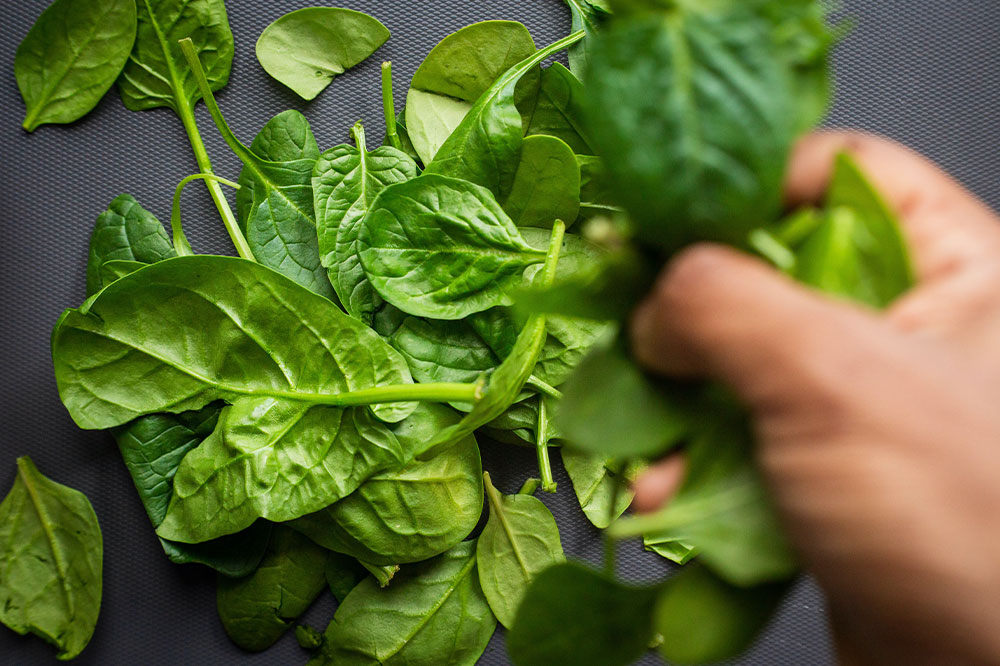
Green leafy vegetables are also a healthy choice during pregnancy. One such superfood is kale. It is a rich source of fiber, Vitamin K, E, and A, calcium, iron, and folate. You can swap kale for basil in your pesto recipe or toss it into a sandwich or pasta to increase its nutritional value.
Foods to avoid
Caffeine
You may love your daily cup of tea, coffee, cocoa, or soft drinks, but during pregnancy, you should curtail your caffeine intake to no more than 200 mg per day. Caffeine gets absorbed quickly and passes into the placenta. Babies do not have the primary enzyme required to metabolize it, resulting in caffeine build-up that interferes with fetal growth.
Unpasteurized cheese, milk, and fruit juice
Soft-ripped cheeses, unpasteurized cheese, or raw milk have harmful bacteria – Campylobacter, E. coli, Salmonella, and Listeria . The same holds true for unpasteurized juice, which is also susceptible to bacterial contamination. These infections have life-threatening consequences for an unborn baby. So, avoid it. You can also perform pasteurization during storage or collection to kill any bacteria.
Lifestyle changes
Exercise
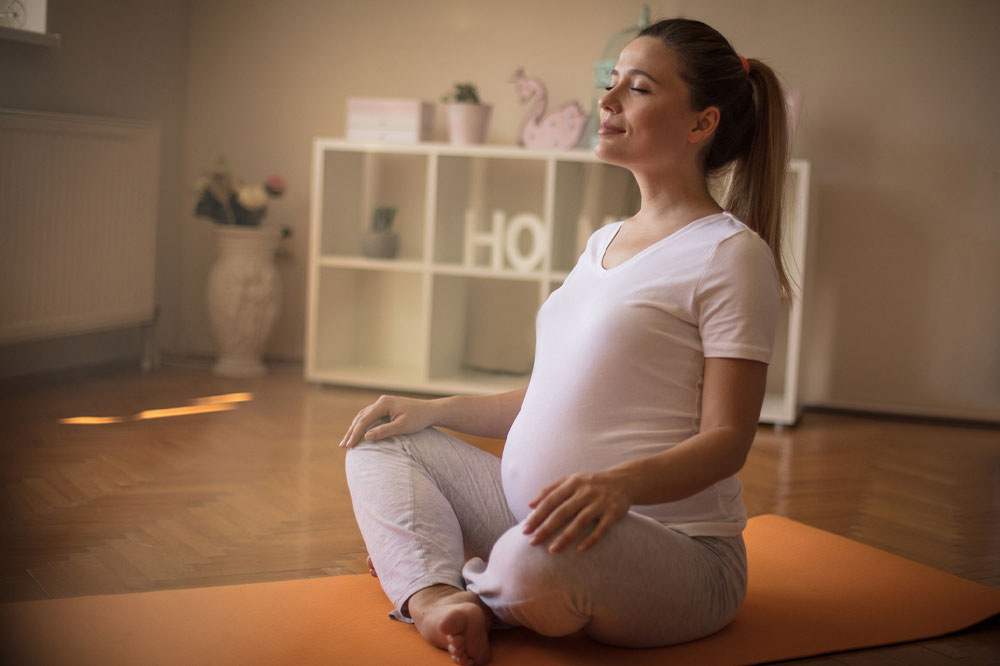
Being physically active is essential for your overall health. It improves circulation, reduces stress, and boosts your mood. Exercising also helps you sleep better. You can walk for 15-20 minutes at a moderate pace in a shaded or cool area or indoors. Alternatively, you can also enroll yourself in a pregnancy exercise class. Activities like swimming, yoga, and Pilates are beneficial for pregnant mothers. However, before you start, consult your familygynecologist.
Educate yourself
Regardless of whether it is your first pregnancy or third, it always helps to attend a childbirth class. The class can prepare you for the delivery. In the session, you will learn about infant care and childbirth and ask about your doubts and concerns. You can also use this time to know about your family’s health history, consult the doctor about issues with past pregnancies, or discuss any family incidences of birth defects.
Buy new shoes
When your baby bump grows, your feet will expand too (or at least feel like) because, in this process, you gain some weight that throws off the body’s center of gravity. Consequently, the pressure on your feet is higher. It can result in flattening out of the feet or painful overpronation. At times, you may even retain fluids. It can cause your ankles or feet to swell. Thus, it is vital to wear non-restricting, comfortable shoes during pregnancy. Elevate your feet several times to prevent swelling and fatigue.
Plan your pregnancy
Doctors always recommend planning a pregnancy as it helps you take charge of your body. So, ideally, you must opt for it when you are at your healthiest, amplifying your chances of having a healthy baby. However, in addition to ensuring you are healthy before pregnancy, you must also consider your age before you conceive. A mother bearing a child late (older than 40) or early (earlier than 16 years) is at a high risk of delivering a premature baby. Lastly, ensure you have at least an 18-month gap between two childbirths.
In conclusion
So, follow these tips above to ensure a safe delivery. You can also consult your doctor to keep yourself and the baby healthy during and after childbirth.