Top Causes for Shortness of Breath
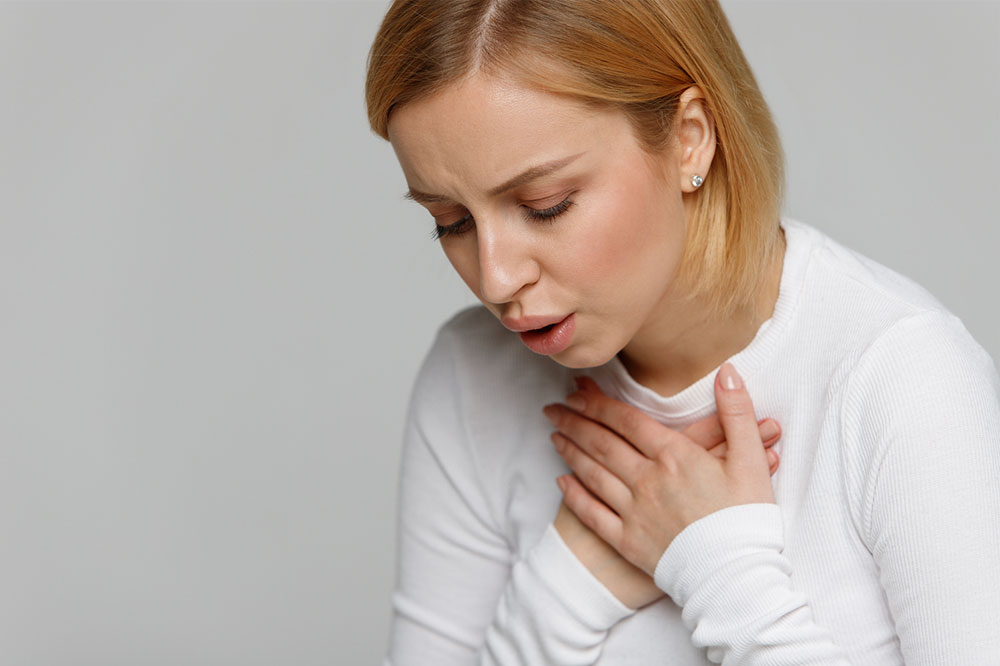
Shortness of breath, also known as dyspnea, occurs when one feels they cannot get enough air into their lungs to breathe normally. It may occur when walking, climbing stairs, engaging in other physical activities, or doing nothing. It may develop suddenly or over some time. Sudden or unexpected breathlessness generally occurs due to health conditions and requires immediate attention from a doctor, especially when accompanied by chest pain, fainting, or nausea.
Top causes for shortness of breath
Carbon monoxide poisoning
When one breathes in carbon monoxide, the chemical replaces the oxygen content in the body. This results in the vital organs being starved of oxygen, causing symptoms like shortness of breath, rapid breathing, chest pain, confusion, convulsions, dizziness, drowsiness, and fatigue. Young children, senior adults, people with lung or heart disease, and people at higher altitudes are at a higher risk of suffering from carbon monoxide poisoning.
Heart conditions
When the heart does not pump enough oxygen-rich blood through the body, the body responds by breathing faster to ensure an uninterrupted supply of oxygen to the vital organs, causing a sensation of shortness of breath. Heart conditions like angina, heart attacks, heart failure, atrial fibrillation, and others are common causes behind the interruption of circulation of blood around the body, causing shortness of breath or breathlessness.
Low blood pressure
Severely low blood pressure impacts the circulation of blood through the organs as well. This is because lower blood pressure impairs heart and brain functioning, which can lead to shortness of breath. Other symptoms also include dizziness, lightheadedness, unsteadiness, fatigue, nausea, fainting, and pale, cold, or clammy skin.
Asthma
Those with asthma are more likely to experience shortness of breath, especially during a flare. This is because the muscles around the walls of the airways become inflamed and swollen, making it difficult to breathe. The symptom may also be accompanied by coughing, wheezing, or tightness in the chest.
Pneumonia
Pneumonia can cause inflammation in the lining of the lungs, also called the pulmonary pleura, causing severe pain during coughing and breathing and shortness of breath. It may also cause pleural effusion, or the collection of fluid around the lungs, causing more trouble breathing.
Pulmonary embolism
Pulmonary embolism is a condition in which a chronic clot builds up in the lung’s arteries. This adds more stress to the heart, causing it to pump harder and leading to shortness of breath. Other symptoms also include lightheadedness, fatigue, chest pain, racing pulse, and swelling in the legs or the abdomen. Without treatment, the condition could lead to heart failure or death.
Panic attack
Those who suffer from elevated levels of anxiety may, at times, experience a panic attack. The most common symptom of a panic attack is hyperventilation, which upsets the balance of oxygen and carbon dioxide in the body. This may lead to shortness of breath. Other symptoms of panic attacks also include a racing heart, feeling faint or dizzy, shaking, a sense of terror or impending doom, nausea, chest pain or discomfort, feeling of choking, feeling a loss of control, feeling sweaty, having chills, etc.
Anaphylaxis
During an anaphylactic shock, the immune system releases a flood of chemicals that may cause the blood pressure to drop suddenly and the blood vessels to narrow, which can block breathing. This causes shortness of breath and requires immediate attention from a doctor. Food allergies (such as cow’s milk, peanuts, eggs, shellfish, soy, tree nuts, and wheat) are the main cause of anaphylaxis.
Pneumothorax
Also known as a collapsed lung, this condition occurs when the air escapes from the lung and fills the space between the lungs and the chest wall. This increases the pressure on the lung, and it cannot expand as it normally does when one breathes. This causes symptoms like shortness of breath, chest or shoulder pain, nasal flaring, chest tightness, lightheadedness, fatigue, labored breathing, rapid heart rate, shock, and collapse.
Idiopathic pulmonary fibrosis
Pulmonary fibrosis results in scarring and thickening of the tissue around the air sacs in the lungs, limiting the passage of oxygen. This can cause shortness of breath, dry cough, fatigue, aching muscles and joints, and clubbing of the fingers and toes.
Diabetic ketoacidosis
Ketoacidosis is a short-term complication of diabetes that is characterized by high blood glucose and ketone levels. It leads to a depletion of ions like potassium and phosphate, which affects the respiratory system, causing abnormal breathing patterns like Kussmaul’s sign (or labored) breathing or shortness of breath, along with other symptoms like frequent urination, nausea, vomiting, stomach pain, weakness, fatigue, fruity-smelling breath, and confusion.
COPD
Chronic obstructive pulmonary disorder (COPD) is a group of chronic conditions that affect the functioning of the lungs. The long-term damage to the lungs affects their ability to perform basic tasks, such as breathing, which can cause dyspnea or shortness of breath. Other symptoms of COPD also include wheezing, tightness in the chest, chronic cough, frequent respiratory infections, lack of energy, and swelling in the ankles, feet, or legs.
Lung cancer
If cancer grows to block the pulmonary pathways, people with lung cancer may experience shortness of breath. As the disease develops, it may also lead to fluid collection around the lungs, making it harder for the organ to expand when one breathes, causing breathlessness.
Physical deconditioning
Physical deconditioning is the technical term for being out of shape. When one is not used to a certain level of physical exertion or activity daily, they may make one feel tired faster. Deconditioning generally happens in the heart, lungs, and muscles and appears as symptoms such as shortness of breath, weakness, tiredness, pain or discomfort with any physical activity, decreased strength, endurance, and balance, difficulty in doing one’s usual forms of exercise, or difficulty in doing regular activities, such as basic self-care, grocery shopping, or chores. It is vital to visit a healthcare provider if chest pain, shortness of breath, or fainting episodes are experienced.