Top 9 foods for healthy lungs
Life isn’t fun when one can’t breathe properly. Years of unhealthy lifestyle habits and other factors can seriously affect the functions of the lungs, resulting in asthma, chronic obstructive pulmonary disease (COPD), pulmonary fibrosis, and other respiratory diseases that decrease quality of life. Fortunately, one can manage these diseases and even prevent them altogether by incorporating certain foods into their meal plans. Here are some foods that can boost lung health:
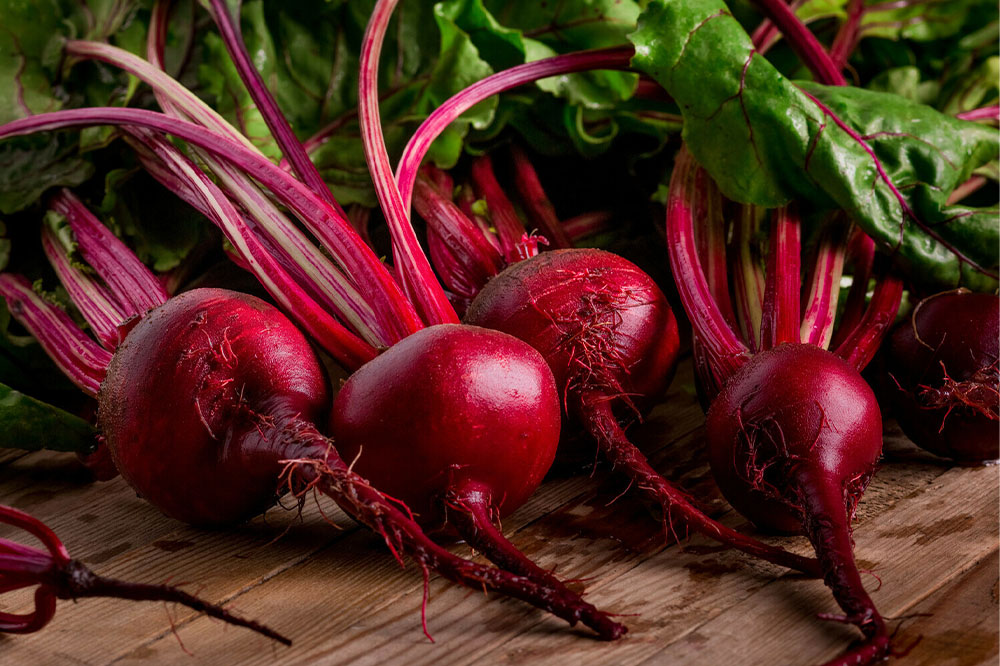
Beetroots
When it comes to the health of the vital organ, beetroot and even its leaves are among the best foods anyone can have. That’s mainly because both beetroot and beet greens are rich in nitrates, which help relax blood vessels, reduce blood pressure, and optimize oxygen uptake. Beet greens are full of nutrients essential to lung functions, such as vitamin C, potassium, magnesium, and carotenoid antioxidants. To benefit from beets, add them to salads or make beet juice.
Turmeric
This yellow spice has been used for centuries to treat various ailments. Curcumin, the main component in turmeric, is behind all the health benefits. Its antioxidant, anti-inflammatory, and antimicrobial characteristics can make turmeric extremely useful for improving lung function and aiding in conditions such as asthma, COPD, and pulmonary fibrosis. Turmeric can be used in a powdered form and added to smoothies, salads, stir-fry recipes, and curries.
Walnuts
These nuts are beneficial for the lungs for two main reasons. First, they are an excellent source of magnesium, an important electrolyte that helps to support the lung muscles. Second, walnuts are the best plant-based source of omega-3 fatty acids. Omega-3s are healthy fats with anti-inflammatory effects that can help decrease lung inflammation and make breathing easier. Munching on a handful of walnuts every day can help combat asthma, COPD, and other respiratory conditions.
Tomatoes
Tomatoes have copious amounts of lycopene. This carotenoid antioxidant gives tomatoes their bright color and has been linked to improved lung function. Studies show that lycopene can reduce airway inflammation, easing breathing problems in people with asthma. It may also protect against lung cancer. Tomatoes can be eaten raw, but it’s been found that the body absorbs lycopene from them better when they are cooked.
Peppers
Green and red bell peppers contain high amounts of vitamin C than the popular citrus fruit, orange. Vitamin C is a water-soluble nutrient that functions as an antioxidant in the body and keeps lung diseases like asthma, COPD, and lung cancer at bay. Peppers are also rich in capsaicin, a compound that protects mucous membranes in the lungs by stimulating healthy secretions. Make sure to add peppers to salads, stir-fry, or pasta dishes.
Quinoa
Quinoa is a whole grain and one of the most nutritious sources of complex carbohydrates and fiber. These nutrients help regulate the digestive system and blood glucose levels. Quinoa also makes an excellent substitute for simple carbohydrates like white rice or white bread, which can cause hypertension, impacting breathing. The whole grain also contains a wealth of other nutrients that promote lung health and protect against cellular damage.
Green tea
Green tea is among the healthiest beverages. A cup of green tea is brimming with potent antioxidants such as epigallocatechin gallate (EGCG) and quercetin. EGCG may inhibit scarring of lung tissues or pulmonary fibrosis and even protect against lung cancer. Quercetin, on the other hand, acts like a natural antihistamine and slows down the release of the chemical histamine in the body, curtailing inflammation and irritation in the lungs.
Apples
Apples are loaded with phytonutrient quercetin. Eating five or more apples per week has been linked to improved lung function and a decreased risk of COPD. This fruit may also lower the risk of developing asthma and lung cancer, thanks to the high concentration of antioxidants such as flavonoids and vitamin C.
Garlic
The main active component in garlic, allicin, has strong anti-inflammatory properties and helps the lungs function better. It curbs damage caused by free radicals and reduces the risk of infections and inflammation that can lead to respiratory illnesses like asthma and bronchitis and serious conditions like lung cancer. To reap maximum benefits from garlic, have them raw. If that’s difficult, include them in a wide variety of recipes.
While these foods can soothe various respiratory problems, doctors may prescribe treatments to relieve specific conditions. These treatment options may include:
Tezepelumab
Tezepelumab is prescribed for the treatment of severe asthma. It works by blocking thymic stromal lymphopoietin, a molecule that contributes to airway inflammation. Tezepelumab is commonly available in the form of injection and is usually taken once every four weeks.
FASENRA®
FASENRA® (benralizumab) is an FDA-approved treatment option for severe asthma. It reduces the levels of eosinophils, a type of white blood cell that may contribute to the disease.
ZYRTEC®
ZYRTEC® (cetirizine) is used to treat allergy symptoms, such as sneezing, itching, watery nose, and runny nose. It’s an antihistamine, meaning it’s made to reduce the effects of histamine, a chemical found in the body.
Nucala
Nucala (mepolizumab), another treatment option for asthma, also works by targeting eosinophils. It can prevent severe asthma attacks, improve breathing, and reduce dependency on other treatment options.
XOLAIR®
XOLAIR® (omalizumab) is used to treat moderate to severe, persistent asthma that is caused by allergies. It’s available in the form of an injection. XOLAIR® may also be prescribed to those with nasal polyps and chronic hives.