Top 9 alternative uses for trash bags
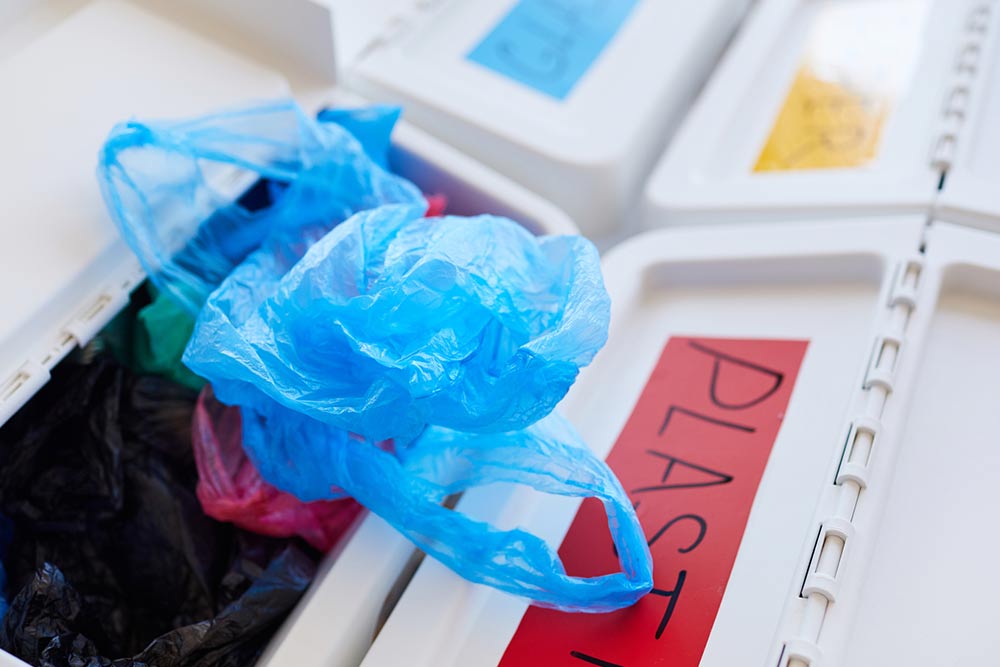
Trash bags are one of the most common things one will find in a person’s house. These bags help get rid of garbage like stale food and debris efficiently. But that’s not the only purpose they serve. The compact, lightweight, and cost-effective nature of trash bags lets us use them for other reasons too. These nine uses for trash bags other than getting rid of trash from the house are truly amazing.
To collect items
One of the most basic roles of a trash bag is to collect waste in a single place. But one could also use it to collect other items in their home, such as stored vegetables, cans, bottles, or fruits. Small items like old toys, blankets, and backup appliances could also be kept safe in a plastic bag. However, people should not forget to cover any sharp edges as this could tear the bag and cause the items to fall.
Protection against the rain
If it’s pouring on a day someone needs to travel, they could always use a trash bag to keep important things dry. It could be anything, like food, clothes, documentation, and electronics that are sensitive to water. A person could also seal important belongings in a trash bag if they ever need to cross a river while camping. Further, people can keep their shoes and feet dry in rainy weather or a wet region by stepping into trash bags and tying them shut against their shins.
Ponchos
Even if someone has an umbrella with them, harsh weather may wet their clothes. A trash bag could help in this situation. All one needs to do is take a large trash bag, cut holes for their head and arms, and wear it like a shirt. This temporary raincoat should help protect the individual against wet weather. One could also lay trash bags on the ground where they need to sleep to keep moisture from the body.
Pillows
A trash bag could also work as a pillow when a person is out camping. The individual could stuff the bag with leaves and tie the end to turn it into a temporary cushion. After they finish using it, one could empty the leaves and reuse the bag to pack something else or collect trash. The individual must ensure they are gentle while filling the bag with leaves and avoid sharp stems to stop the bag from tearing.
Travel laundry bags
Those who travel for vacations or professional purposes might require something to store laundry. Sure, hotel rooms may provide a bag, but it might not be large enough to carry lots of laundry, especially if the individual stays for a week or longer. In this scenario, one could use a trash bag for storing clothes and other laundry. Individuals could purchase a scented bag if they do not want their laundry to smell in their luggage.
Protection from paint
Just like the rain, plastic bags could keep one safe from paint. Apart from wearing it like a poncho, the individual could wrap the trash bag around their head and hair. All one must do is gather the bag together, twist it at the forehead, and tuck it under. This method will prove useful when someone paints their home or wants to protect their hair from the rain.
Dirt protector
Several individuals live in areas prone to dust. Some love DIY projects that may generate tons of debris. In both situations, one could place a trash bag over their tablet and other surfaces to ensure the dirt and debris settle on the trash bag. Once the job is done, they can roll the thin plastic sheet and dispose of it appropriately.
Water collector
If someone needs to collect rainwater and has no other means to do it, they could use a trash bag. The individual must dig a hole in the ground and put a trash bag inside it. They must follow this by securing the edges of the bag in place with heavy rocks. Once it rains, the person should be able to collect enough rainwater in the trash bag. One could also put a rock in the bag and tie it over the end of a branch with lots of leaves on it. When the sun comes out, it should draw water from the leaves, which may pool around the rock. Another way to collect water is from a river nearby. The trash bag helps gather water and haul it back. However, one should consider using contractor bags for this job because they are sturdy and do not tear or leak easily.
DIY belt
While one may not always require this DIY hack, it could be handy at some point. To make a belt, one must pull the drawstring out of the trash bag, weave it through each belt loop, and tie it together. If the string isn’t strong or long enough, the individual could simply twist the trash bag and follow the previous loop steps to create the ideal DIY belt. It is a great solution if someone needs a belt urgently but does not have one.