Top 6 Travel Mistakes to Avoid
Traveling is an excellent way to unwind and discover new places and cultures. However, it comes with a few challenges, like budgeting, packing, and finding a suitable hotel. Even though you might face unpredicted difficulties, you can make the most of your holiday if you plan things properly. Here are some common travel mistakes to avoid, whether you’re a nomadic explorer or a first-time traveler heading to an adventurous location.
Packing too many things
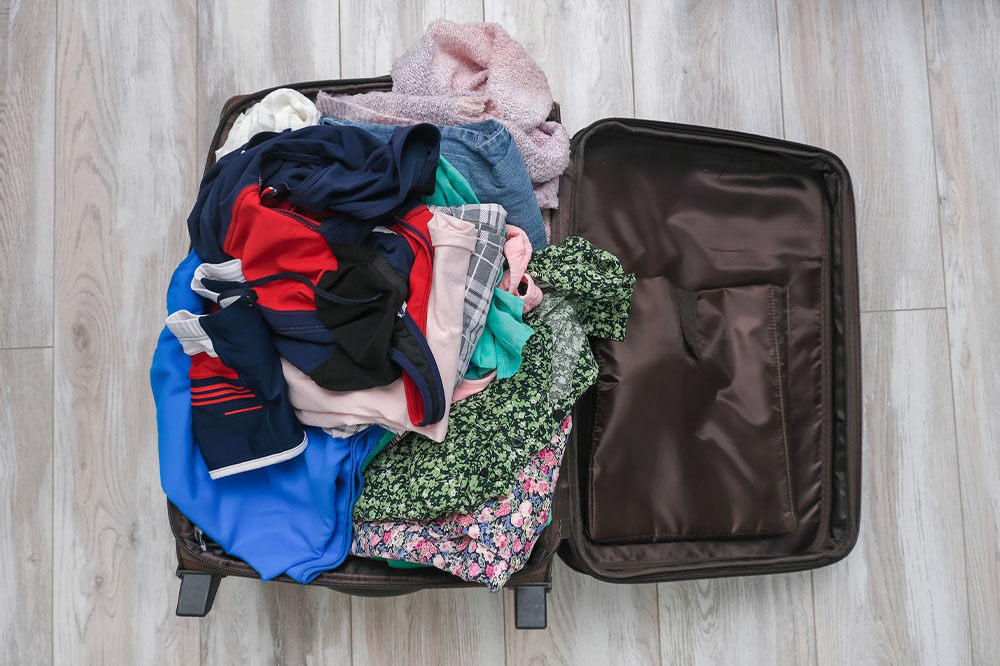
Don’t use a heavy suitcase when packing your stuff for the vacation. A heavy suitcase will put you under unnecessary stress and drain your energy. Even worse, you might develop a sore back by the end of the trip because of carrying that heavy load all along. Instead, use a bag with a lightweight material, and ensure it isn’t larger than necessary. Start with a carry-on bag and select the items you need.
When making a list of your stuff, narrow your selections to the bare necessities. Also, keep your travel outfits neutral so that anything can be mixed and matched. This way, your clothes can be used for multiple activities, and you’ll have to pack only a few items. If you carry too many outfits, your hotel room will become messy, not to mention there will be way too much laundry waiting for you after the trip.
Not buying enough local currency at the airport
If traveling to another country, you’ll need their local currency to buy food, pay for transport, book hotels, or shop. So, after reaching the airport, change your native currency into the local currency. If you’re caught in a situation where you don’t have the local currency, you’ll have to use your credit card to pay the bills. This can become an expensive affair due to the high conversion rates. Also, many places, like small shops or local markets, may not accept credit cards. So, get enough local currency to avoid such difficulties. Some prefer exchanging the currency before starting their trip at the local bank in their home country. This saves time on arriving at the destination.
Not budgeting the trip
This is one of the most common mistakes travelers make. Not setting a budget can lead to a situation where you run out of money in the middle of your trip. So, the best practice is to set a spending limit and stick to it. When devising a budget, estimate how much you’ll need to spend per day at the tourist destination. This figure should include the cost of food, accommodation, transportation, and shopping. To avoid running out of money, stay away from any kind of impulsive buying. Although you’ll be tempted to splurge on things the location is famous for, prioritize your needs. Impulsive buying might cause a lot of stress on your finances toward the end of the trip and wreak havoc on your savings.
Not buying travel insurance
Getting travel insurance is crucial for a safe and stress-free holiday. It covers all kinds of cancellation fees, so you won’t lose hundreds of dollars if you can’t continue your trip for any reason. Some policies also cover health expenses. This means you can save money on doctors’ visits and treatment if you feel unwell or get injured on your vacation outside your country. Since we already spend so much on our trip, it makes sense to pay that extra buck to feel more secure. But when buying travel insurance, read through the fine print carefully to check the expenses that are covered and if everything in the package suits your needs.
Carrying outdated passports and ID proofs
Always carry hard copies of your original documents like your IDs, passports, and visa information. You can even carry scanned copies of the same in your phone; they can be a lifesaver if you get stuck somewhere. However, don’t forget to check the validity of these documents. A common mistake travelers make is failing to check the expiry date of their passports. You can’t leave the airport without a valid passport for international travel. Also, emergency processing on your passport might cost you huge bucks. Ensure you check the validity of your passport a few months before your travel dates. This will buy you time for passport renewal in case it has expired.
Choosing the wrong travel agency
Today, you can plan and book tickets to your favorite destination right from the comforts of your home. Many travel agencies and holiday planning websites provide all-inclusive vacation packages to different places. This means you don’t have to worry about booking your tickets and hotel rooms or planning an itinerary. However, you must be careful when choosing a travel agency. Check their certification and experience, and don’t fall for websites offering all-inclusive travel prices that are too good to be true.
Traveling is always exciting. It provides you with memories you can look back on and smile about in the future. Unsurprisingly, more and more people are crossing borders, trying to explore every corner of this world. However, a few make travel mistakes that take away the joy from their trip. The abovementioned mistakes might seem obvious, but you might slip up on such simple things when dealing with complex travel plans. So, it’s best to plan and stay organized.
Travel experts provide many tips to help travelers have a memorable trip. Some valuable suggestions include creating a realistic itinerary, keeping a gap between connecting flights, accounting for the time required for airport security checks, checking the visa thoroughly, and investing in a cell phone plan that works in other countries. Moreover, it’s essential to research the place you’ll be visiting and know the local modes of transport to avoid the last-minute hassle.