6 most common passport application mistakes
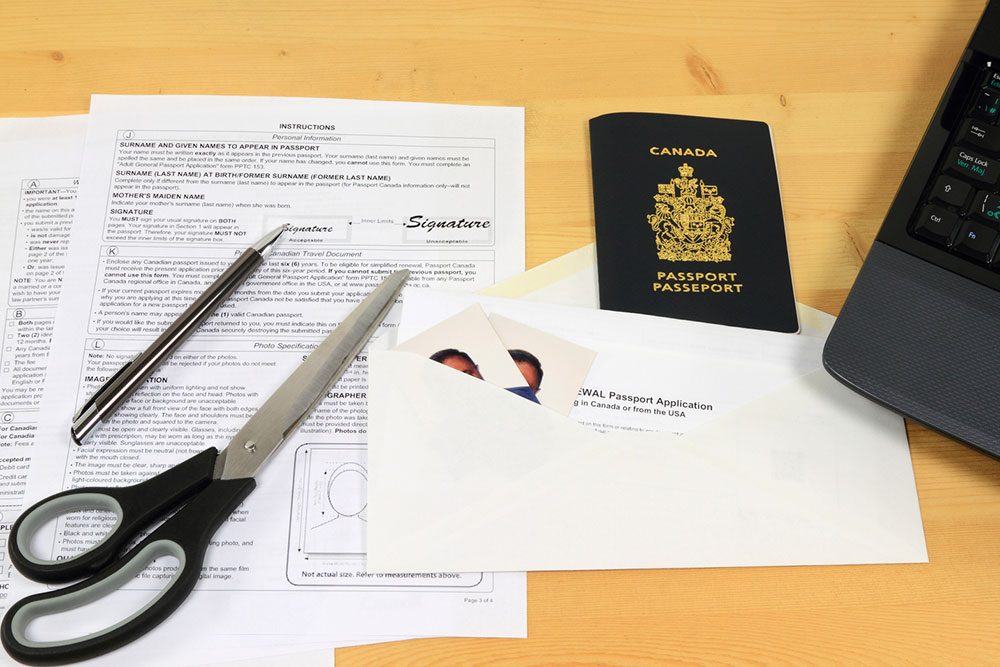
Applying for a passport has become very easy today. The process would take days or even weeks some decades ago, but now, thanks to digitization, one can get through with just a few clicks. That said, many people make errors during the application process, which leads to unnecessary delays and extra hassle. Below are a few critical mistakes one should avoid when applying for a passport or renewing the document.
Not paying attention to the current passport’s expiry date
Arguably, the most common mistake people make is being unaware of the number of years or months left on their current passports. Many check the document’s expiry date only after booking an international holiday and heading to their destination. Doing so can cause significant issues as many countries require inbound travelers to have at least three months or so left on their passports from their date of arrival. Therefore, passport holders must check their passport before planning their holidays. Experts recommend renewing one’s passport at least a year before it expires. This practice ensures individuals do not face hassle when boarding their flight or arriving at their destination.
Making typos and misspellings in the application form
People often fill out the application form hastily when applying for a passport, which leads to multiple typos and misspellings. For instance, many enter the wrong date of birth on the form (say, 1090 instead of 1990 in the year column). Unlike what it appears, this is not a minor issue. Typos and misspellings can cause the authorities to suspend one’s application or keep it on hold until the problem is rectified. Passport application forms are commonly available offline, and individuals have sufficient time to enter the details. Applicants must read the instructions carefully and avoid making mistakes that can delay the process or jeopardize their international plans.
Ignoring the guidelines when applying for a passport for a minor
Individuals must follow a unique set of guidelines when applying for a passport for a minor. For instance, during the application process, the child must be accompanied by their parents and no substitute (such as nannies or guardians). Parents must also fill out the DS-11 form while submitting their child’s application. Furthermore, parents must carry the necessary legal documents that prove their relationship with their child. A certified long-form birth certificate tends to be helpful in this regard. Parents also need to submit photo identification documents of themselves and their children.
After assessing the documents and proofs, the verification authorities may also ask for written authorization from both parents to issue their child’s passport. Unlike an adult’s passport, a child’s passport is valid for five years only. So, parents must be mindful of the expiry dates and apply for renewal accordingly.
Making signature errors on the application form
Many people create counterfeit passports to carry out illegal activities. To counter the threat of counterfeit passports, authorities often thoroughly analyze passport application documents to see if forged signatures exist. Therefore, one must be extremely careful while signing the forms. Individuals can take simple precautions, such as using a red, black, or blue pen while signing. Pens of other colors usually tend to get rejected by passport authorities. Besides using the correct ink, one must ensure to sign their real name, not their nickname, on an application form. Passport authorities tend to reject the application forms in which people sign their nicknames or aliases.
A person’s signature on a passport application form should mirror the signature on the government identification documents they provide for verification. It should also match the signature on their prior passport in case of renewal. The passport applications can be rejected if the signatures do not match these documents. If candidates have changed their signature style, they must still provide their original signature. Matching signatures assure the authorities that the same person’s information is on all the documents.
Not seeking professional help for the application process
Many professional agencies help people with their passport applications. They assist with tasks like filling out forms accurately, ensuring the signatures are done correctly, getting the picture-related aspects of the passport application form right, and several other minor tasks along the way. Unfortunately, a lot of people do not trust third-party service providers when it comes to passport applications. By doing so, they make themselves vulnerable to application mistakes. They also risk being rejected by the passport authorities that verify vital candidate information and documents.
Using photocopies of supporting documents
When applying for a passport, individuals must submit original copies of their address proofs and identification documents. Many tend to take photocopies of these important documents and then submit them along with their photographs and passport application forms. Such applicants not only delay the overall process but also risk getting rejected by the authorities. One must gather all their original documents in a file before presenting them to the passport authorities, along with their application forms for verification. Doing so generally works well, and the application form gets approved.
Besides the above, some other critical common mistakes include using correction fluid to fix errors on the form and writing outside the boxes.