Top 5 Foods to Manage Hyperkalemia
As both a mineral and an electrolyte, potassium facilitates the functioning of all of your muscles, including voluntary and involuntary muscles. Hyperkalemia refers to the condition of having excess potassium in your blood. It is harmful to have elevated potassium levels because a heart attack or even death can result from hyperkalemia. Some of the food items that patients with hyperkalemia can eat to maintain good health while avoiding a surge in potassium levels are:
Apples
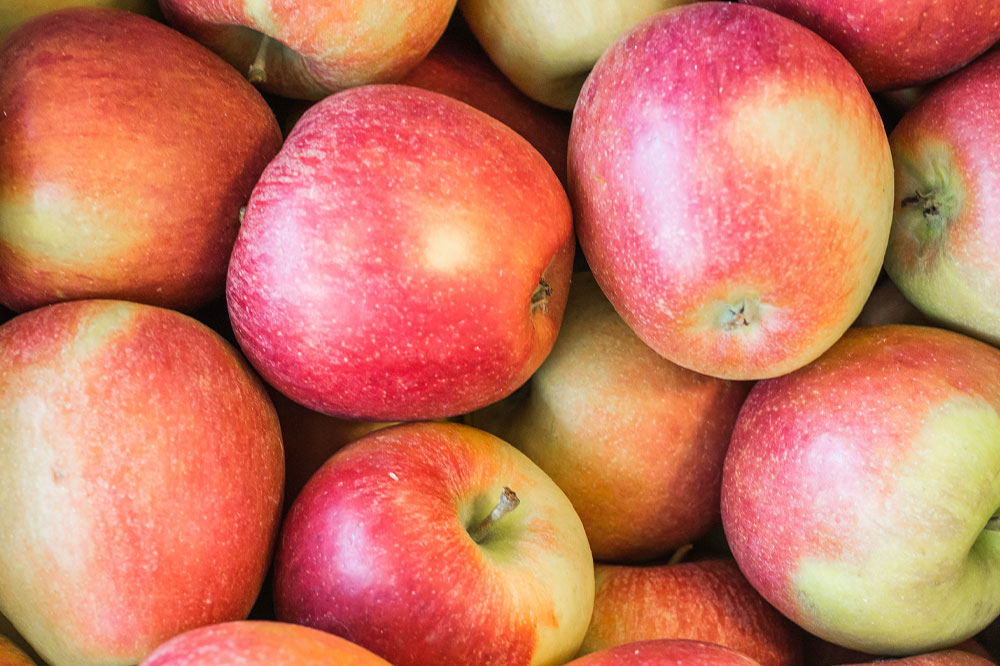
Apples are a low-potassium fruit that can be particularly helpful in managing the health of hyperkalemia patients. They are a rich source of antioxidants, vitamins, and fiber. In fact, a medium-sized apple contains only about 148 milligrams of the element, making it an excellent choice for people with hyperkalemia. Apples also contain pectin, a type of fiber that may help lower potassium levels in the blood. Pectin works by binding to the electrolyte in the digestive system, preventing it from being absorbed into the bloodstream. The fruit can be eaten in a variety of ways, making them an easy and versatile addition to any meal plan. They can be eaten raw, baked, or stewed, and can be used in a wide range of recipes, from desserts and salads to smoothies. This makes them relatively easy to incorporate into your daily meal plan. It is important to steer clear of apple juice or processed apple products as these products can be high in artificial sugar.
Cottage cheese
Cottage cheese can be beneficial for people with high hyperkalemia due to its low potassium content and high protein and calcium levels. One cup of it typically contains around 160 milligrams of the element, which is relatively low compared to other potassium sources like bananas or avocados. This makes cottage cheese a great option for people with hyperkalemia as it can help reduce the overall intake of the electrolyte in the meal. Cottage cheese is high in protein, which is essential for building and repairing muscles, so, it is particularly good for people with the condition who may be experiencing muscle weakness or fatigue. Additionally, protein can help to support kidney function, which is important for regulating potassium levels in the body. Lastly, cottage cheese is also high in calcium, which can help to regulate potassium levels in the body. It plays a key role in muscle and nerve function. When potassium levels are high, calcium can help to move it back into cells, reducing the overall amount of potassium in the bloodstream.
Brown rice
Brown rice is a whole grain that is high in fiber. Fiber can help reduce the absorption of potassium in the intestine, which can be beneficial for individuals with hyperkalemia. By slowing down the absorption of nutrients, fiber prevents spikes in potassium levels in the blood. Brown rice is also a good source of complex carbohydrates, which provide sustained energy throughout the day. On the other hand, consuming simple carbohydrates can cause a rapid increase in blood sugar levels, which can lead to an increase in insulin production. Insulin can cause cells to take potassium from the blood, further exacerbating hyperkalemia. By consuming complex carbohydrates, patients can regulate blood sugar levels and reduce the risk of further complications. Additionally, brown rice is a good source of B vitamins, which is important for energy production, brain function, and the formation of red blood cells. Individuals with hyperkalemia may experience fatigue and weakness as a result of their condition, and consuming foods rich in B vitamins can help combat these symptoms.
Green beans
Green beans are low in potassium and are a good source of vitamins and minerals. This makes them an ideal food choice for individuals with hyperkalemia who need to limit their potassium intake. Being a good source of fiber, they play an important role in regulating bowel function and gut health. They also regulate blood sugar levels and improve insulin sensitivity, both of which are needed in hyperkalemic patients who may also have diabetes. Green beans are also a good source of plant-based protein, which is vital for muscle function and repair. Patients with high potassium levels may experience muscle weakness; hence, having adequate amounts of proteins can help maintain muscle mass and strength. One cup of cooked green beans contains about 209 milligrams of potassium, which is considered to be a moderate amount.
Olive oil
Olive oil, which has low potassium content, can be used as a healthy alternative to other oils, such as coconut oil or avocado oil, that are high in this element. One tablespoon of olive oil contains only about 1 milligram of potassium, making it an excellent option for individuals with hyperkalemia. In addition, olive oil contains healthy monosaturated and polyunsaturated fats. These types of fats have been shown to help reduce the risk of heart disease and stroke, possibly helping lower inflammation in the body. This anti-inflammatory property may help individuals with hyperkalemia, as inflammation is a common complication of this disease. Olive oil is also rich in antioxidants, which can aid the body in fighting against oxidative stress and free radical damage, leading to an increase in potassium levels in the body. When using this oil, it is important to choose a high-quality extra virgin type that has not been heavily processed or refined. This type of oil contains more antioxidants and many beneficial compounds than other lower-quality oils. It is also less likely to contain harmful additives or contaminants.
In conclusion
Mild hyperkalemia usually goes unnoticed because symptoms appear only at higher levels. It is observed more commonly in men than women. Kidney disease, Addison’s disease, and high-potassium meals are the reasons for a rise in serum potassium levels. One can control their potassium levels with the right kind of food and attention from a healthcare professional.