Top 5 errors to avoid when considering a medical alert system
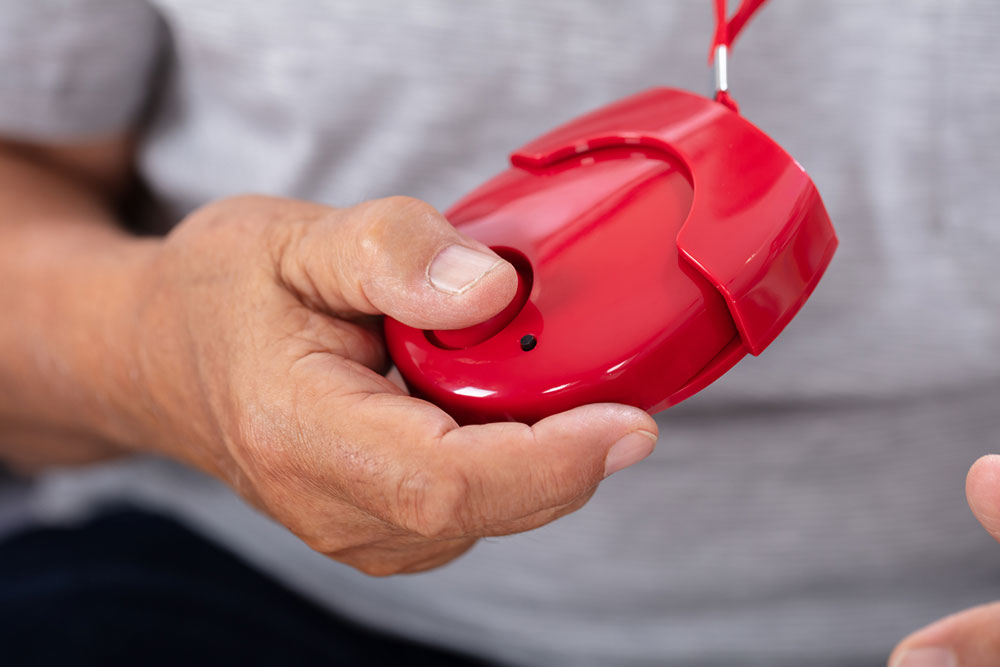
For many seniors, mobility and muscle coordination become an issue after a certain age. In such situations, older adults face an increased risk of falling, potentially leading to a health crisis. To avoid this, having a medical alert system can help them get assistance without delay. These devices improve the safety and well-being of people with chronic conditions or advanced age. However, when buying these devices, one must consider various factors and avoid common mistakes.
Assuming medical alert devices are only for seniors who live alone
While it is true that seniors who do not live alone are less likely to require a medical alert system, it is always better to be prepared than to encounter an unfortunate incident. This is because family and caregivers can’t monitor a senior 24/7. They have other responsibilities and engagements, which makes it difficult to be in the constant immediate presence of the senior person. Sometimes, the caregiver can be in another part of the house during a health emergency. In such cases, a medical alert system would immediately alert the caregiver instead of waiting for them to check in on the senior later. A medical alert system ensures that assistance is always available, even for seniors who have a caregiver or family member looking after them.
Waiting until an emergency before buying an alert system
Another common mistake to avoid is delaying purchasing a medical alert system until a health emergency arises. This defeats the purpose of having an alert system in the first place. So when an emergency does occur, one is forced to buy whichever medical system is available. There is no time to do proper research or set a reasonable budget. Before investing in a medical alert system, it is important to plan well and opt for a good quality device to ensure one has the best device in place when needed.
Assuming that a cell phone is a good enough medical alert system
Many people make the mistake of assuming that a cell phone is enough for assistance during a medical crisis. So, they think there is no practical need to buy a separate medical alert system. But this is not true at all. In fact, medical alert systems are worn around the wrist or neck as a pendant. For example, the Life Alert medical system designed for seniors in 2024 comes with a help button, which one can press during any health emergency, such as a fall, but it is important to wear the pendant or bracelet at all times. Such devices eliminate the need to carry a smartphone or a cell phone 24/7. Moreover, when a senior is confused or unable to dial 911 for help, they can simply press the help button to seek assistance. Besides, if a person loses consciousness because of the fall, the medical alert system will automatically detect the activity and alert the closest monitoring center run by Life Alert, requesting immediate assistance to ensure help arrives without delay. This is not possible with a cell phone. Also, unlike cell phones, most medical alert systems are designed to be waterproof. So, older adults can wear them in the shower or bathtub where they are at risk of accidents.
Choosing an alert system based on the price
One of the most common mistakes most people make while choosing a medical alert system is only considering the price factor. While opting for the cheapest product might seem appealing, especially if an individual is on a tight budget, such devices may not necessarily offer reliable features. After all, there are plenty of medical alert companies offering different types of products and services. For example, some manufacturers might be popular for having monitoring centers that have a quick response time. Meanwhile, people opting for lesser-known manufacturers may have to wait for a representative to respond to their call during an emergency. On the other hand, some reputable companies might offer several additional features, while other manufacturers might provide basic features. So, before buying a medical alert system, do enough research and review the features and services of the system one plans to buy. In general, a subscription service for a medical alert system can cost between $30 and $90 a month. If a device costs less than or more than this, it is better to look for alternatives where the pricing justifies the quality of the product.
Getting stuck with long-term contracts
Some medical alert system manufacturers offer long-term contracts lasting over three years. This means a customer is tied up with a manufacturer for this period. So, even if the customer is unsatisfied with the product or services the manufacturer offers, they are forced to use it until the contract expires. If they switch to a different manufacturer, they might have to pay a hefty penalty. The mistake of going in for a long-term contract usually happens when customers skip reading the fine print and won’t fully understand the terms and conditions associated with the agreement. So, they get locked with a single manufacturer for many years. To avoid this, review the contract properly and ask how long it will last before signing it.