Top 20 foods to eat and avoid for bad breath
Bad breath, or halitosis, is a prevalent condition that can be embarrassing for individuals. It can result from various factors, including poor oral hygiene, dental problems, and even certain foods. While maintaining good oral hygiene practices is crucial in combating bad breath, incorporating specific foods into one’s daily routine can also help freshen the breath. Here is a range of foods that can effectively fight bad breath and the ones that can aggravate the condition.
Foods to fight bad breath
Here are some foods that can naturally freshen one’s breath:
Sugarless mint gums
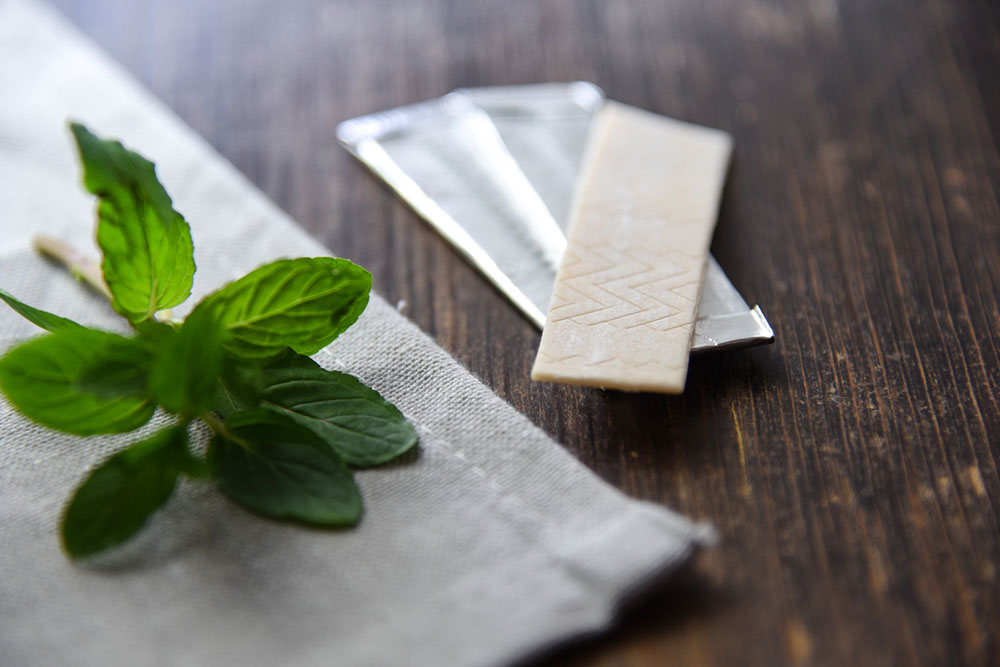
One of the quickest and most convenient ways to combat bad breath on the go is by chewing sugarless mint gums. Mint possesses natural deodorizing properties that make it an effective choice for freshening the breath. Chewing gum also stimulates saliva production; saliva helps in washing away bacteria, food particles, and odor-causing compounds. Most sugarless gums are readily available in stores and are easy to carry.
Fresh herbs
Fresh herbs like parsley, cilantro, and mint contain natural chlorophyll, a green pigment that acts as a potent deodorizer. Chewing on a few leaves of these herbs after a meal can help neutralize odors and leave one’s breath smelling fresher.
Yogurt
Yogurt contains probiotics, or beneficial bacteria, which can help maintain a balanced oral microbiome. A healthy oral microbiome reduces the growth of odor-causing bacteria in the mouth. Opting for plain yogurt with live active cultures is recommended for optimal results.
Crunchy vegetables
Fruits and vegetables having a crunchy texture, such as carrots and celery, function as natural abrasives. Chewing on them can aid in the removal of food particles and bacteria from the surface of the teeth, thereby improving breath freshness.
Apples
These crisp and naturally sweet fruits have several properties that make them effective bad breath deterrents. Apples have a high water content, which helps stimulate saliva production. Additionally, the natural fibers in apples act as a gentle abrasive, assisting in the removal of food particles and plaque stuck on and in between the teeth and gums. The pleasant, natural scent of apples can temporarily mask odors, providing a refreshing and natural solution for combating bad breath.
Green tea
Green tea has certain compounds that can aid in suppressing the growth of bacteria responsible for bad breath. It also has a mild, pleasant flavor that can contribute to freshening the breath.
Water
Dehydration can lead to dry mouth, a condition that contributes to bad breath. Drinking an adequate amount of water all through the day helps maintain saliva production, which cleanses the mouth and neutralizes odorous compounds. One can keep a reusable water bottle handy and sip water regularly, especially after meals.
Nuts and seeds
Almonds and sunflower seeds are rich in fiber, which promotes saliva production and reduces the risk of bad breath. Additionally, the mild abrasive texture of nuts and seeds can help clean the teeth.
Ginger
Ginger, a versatile spice renowned for its health benefits, contains natural compounds with antibacterial properties. One can chew on a small piece of fresh ginger or sip ginger tea to help combat odor-causing bacteria in the mouth.
Cherries
Cherries, when consumed, can serve as effective bad breath deterrents. They are rich in antioxidants, which can help neutralize odorous compounds in the mouth. Additionally, cherries’ natural sweetness can provide a pleasant alternative to sugary snacks and candies known for contributing to bad breath.
Dark chocolate
Dark chocolate contains polyphenols, which can help reduce the development of bacteria that leads to bad breath. It is advisable to choose dark chocolate with a high cocoa content for the best results.
Melons
Melons, such as cantaloupe, watermelon, muskmelon, and honeydew, are rich in water content. They hydrate one’s mouth, stimulate saliva production, and leave one with a refreshing aftertaste, temporarily masking any unwanted odors.
Foods that contribute to bad breath
Individuals can take steps to prevent bad breath by steering clear of specific foods known to contribute to oral odors. Here are some notable ones:
Garlic and onions
These aromatic ingredients are notorious for causing bad breath. The compounds responsible for their strong flavors can linger in the mouth even after digestion.
Spicy foods
Spicy foods, like curries and hot peppers, can cause a temporary spike in bad breath. The capsaicin content in spicy foods can irritate the mouth and lead to odorous compounds.
Coffee
Coffee, especially when consumed in excess, can cause a dry mouth. A dry mouth promotes bacterial growth and can contribute to bad breath.
Foods rich in sugar
Sugary foods, including candies, sodas, and sugary snacks, are a food source for bacteria in the mouth. These bacteria can release acidic byproducts that lead to bad breath.
Fatty foods
High-fat foods, like fast food and fried items, can take longer to digest. As they break down in the stomach, they can release odorous compounds, leading to bad breath issues.
Dairy products
Milk, cheese, and other dairy products can leave a residue on the tongue and in the mouth, providing a breeding ground for bacteria. Some people may be lactose intolerant, which can also lead to digestive issues that contribute to bad breath.
Processed meats
Processed meats, such as salami and pepperoni, contain nitrates and other preservatives that can lead to bad breath when they break down in the digestive system.
Acidic foods and beverages
Citrus fruits, tomatoes, and foods high in vinegar content can be acidic and contribute to bad breath. They can also erode tooth enamel, making it easier for bacteria to thrive on the teeth.
Other habits that support fresh breath
Maintaining fresh breath hinges on a combination of essential practices, including consistent oral hygiene routines, regular dental checkups, and the use of mouthwash. Diligent oral hygiene, encompassing thorough brushing and flossing, removes food particles and bacteria, reducing the risk of bad breath. Routine dental checkups are vital for identifying and addressing underlying dental issues. The use of mouthwash can complement these efforts by offering an extra layer of protection, as it can help kill bacteria and neutralize odors in the mouth. Together, these practices form a comprehensive approach to ensuring confident and odor-free oral health.