Signs of eosinophilic esophagitis in children
Eosinophilic esophagitis (EoE) is a relatively rare, chronic condition that can affect children. It’s characterized by inflammation of the esophagus, often in response to allergens or other triggers. While EoE can be challenging to diagnose, recognizing early signs is essential for timely intervention and effective management. Here is a comprehensive guide to better understanding the common signs of eosinophilic esophagitis in children, providing an understanding of this condition for parents and caregivers.
What it is
Eosinophilic esophagitis (EoE) is a chronic inflammatory condition primarily affecting the esophagus, the tube carrying food from the mouth to the stomach. In individuals with EoE, the esophageal tissue becomes infiltrated with eosinophils, a type of white blood cell that plays a role in allergic reactions and immune responses. Eosinophils in the esophagus cause inflammation, leading to uncomfortable and potentially severe symptoms. While the exact cause of EoE remains unclear, it is believed to be related to genetic factors, environmental triggers, and allergies. Allergens such as pollen, certain foods, or airborne allergens may contribute to the development or exacerbation of EoE. Following are the common signs of eosinophilic esophagitis in children:
- Difficulty swallowing (dysphagia)
One of the hallmark signs of EoE in children is difficulty swallowing, known as dysphagia. Children with EoE may find moving food or even liquids down their esophagus challenging, leading to choking or gagging during meals. This can be a distressing experience for both the child and their parents. Parents and guardians must pay close attention if their child consistently struggles while eating, as dysphagia can significantly impact their nutritional intake and overall quality of life. - Refusing certain foods
Children may develop aversions to specific foods as a coping mechanism for the discomfort associated with EoE. They might refuse to eat certain textures or avoid foods they previously enjoyed. This food avoidance can be a sign that something is wrong and often serves as an early indicator of EoE. If the child suddenly starts rejecting particular foods or food groups, it’s crucial to investigate further and consult a healthcare professional. - Vomiting or regurgitation
EoE can lead to episodes of vomiting or regurgitation, especially after meals. These episodes are typically unrelated to infectious causes and may occur due to the esophageal inflammation and narrowing caused by EoE. Frequent vomiting or regurgitation can disrupt a child’s daily life and lead to discomfort. If the child experiences unexplained vomiting or regurgitation, especially when combined with other symptoms, it’s important to seek a medical evaluation. - Hindrance in growth
Due to the difficulty in swallowing and potential food avoidance, children with EoE may not receive adequate nutrition, which can result in poor growth and weight gain. Pediatricians monitor growth charts closely, and if there is a noticeable deviation from expected growth patterns, it should prompt further evaluation for underlying causes, including EoE. - Abdominal pain
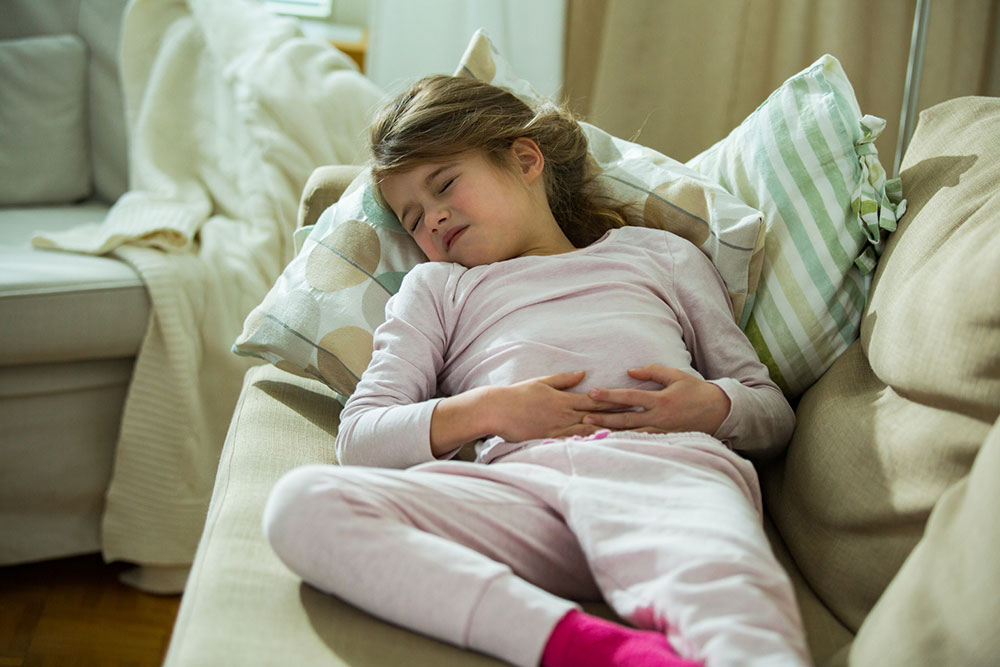
Some children with EoE experience abdominal pain, which can vary in intensity. This pain is often described as a burning or discomfort in the chest or upper abdomen, typically occurring after eating. While EoE primarily affects the esophagus, the discomfort can radiate to the abdominal area. Parents should inquire about any recurring abdominal discomfort their child may be experiencing, as this could be a hidden sign of EoE. - GERD symptoms
EoE symptoms can sometimes overlap with those of Gastroesophageal Reflux Disease (GERD), leading to a potential misdiagnosis or confusion. Children with EoE may experience heartburn, regurgitation, reflux, or stomach pain, which are common symptoms of GERD. If initial treatments for GERD do not yield the expected results or if GERD symptoms persist despite intervention, further evaluation for EoE should be considered. - Irritability
Chronic pain and discomfort from EoE can lead to irritability and changes in behavior. Children may become more fussy, anxious, or withdrawn. They might exhibit signs of distress, especially during or after meals, when symptoms intensify. These behavioral changes can significantly impact the child’s quality of life and well-being, making it crucial for parents and caregivers to recognize and address them. - Food impaction
Food impaction is a more acute EoE symptom requiring immediate medical attention. It occurs when a piece of food becomes lodged in the esophagus, causing severe discomfort and difficulty swallowing. Food impaction is a distressing experience that often necessitates a trip to the emergency room to remove the obstruction. Watch for signs such as sudden, intense pain during or after eating, as this may indicate a food impaction.
Its diagnosis
To confirm a diagnosis of EoE, healthcare providers typically perform an endoscopy with biopsies of the esophageal tissue. These biopsies reveal the extent of eosinophilic infiltration and help guide treatment decisions. It’s essential to consult with a pediatric gastroenterologist or allergist-immunologist if a child is experiencing symptoms consistent with EoE, as they can perform the necessary diagnostic tests.
How parents or guardians can help
Parents and caregivers play a vital role in advocating for their children’s health. By staying informed about EoE and seeking timely medical evaluation, they can ensure that their child receives the appropriate care and support to manage this condition effectively. Additionally, it’s important to work closely with healthcare professionals to develop a personalized treatment plan tailored to their child’s unique needs, which may include changes in the food regimen or other interventions to reduce inflammation and improve their overall well-being.
In conclusion, recognizing the signs of eosinophilic esophagitis in children is crucial for early diagnosis and appropriate management. EoE is a complex condition with a wide range of symptoms, making it challenging to diagnose without healthcare professionals’ guidance. If a child displays any of these signs, it’s essential to consult a healthcare provider specializing in pediatric gastrointestinal disorders or allergies. EoE is a chronic condition that can significantly impact a child’s quality of life. Still, with the right diagnosis and treatment, it can be effectively managed, allowing the child to enjoy a healthier, more comfortable life.