Signs, causes, and risk factors of osteoporosis
Osteoporosis is a bone condition that develops when bone mass and density decrease or when the structure and strength of the bone change. Although it can occur at any age, osteoporosis is a major cause of fractures in postmenopausal women and older men. These fractures most commonly occur in the hips, vertebrae, and the wrist. It is considered a “silent” disease because there are generally no signs or symptoms until a bone breaks.
Signs of early-stage osteoporosis
In the early stages of osteoporosis, one may notice the following signs:
Receding gums
If the jaw begins to lose bone density, it can cause the gums to recede. Bone density loss can also make the gums more susceptible to bacteria, increasing the risk for gum disease. Speak to a dentist about screening for bone loss in the jaw.
Weaker grip strength
Research conducted on postmenopausal women shows a clear link between low bone density and low hand grip strength. Lower grip strength also puts one at a higher risk for falls.
Weak and brittle fingernails
Nail strength is also a reflection of one’s bone health. Weak and brittle fingernails could signal low bone density or mass. However, nail strength is also influenced by a host of other factors, such as exposure to extremely hot or cold weather, regular use of nail polish or acrylic nails, and submersion in water for long periods.
Signs of later-stage osteoporosis
Once the bones have been weakened by osteoporosis, one may notice more apparent signs and symptoms, such as:
Back or neck pain
Osteoporosis can cause compression fractures in the spine, which can cause a lot of pain in the neck and the back. This is because the collapsed vertebrae can pinch nerves around the spinal cord. The pain may occur in the form of mild discomfort or tenderness and range up to debilitating pain that severely interferes with one’s daily activities.
Loss of height over time
Compression fractures in the spine can make one appear shorter over time and is one of the most easily noticeable signs of osteoporosis.
A stooped posture
Due to the compression of the vertebral column, one may experience slight curvature of the spine. This leads to a stooped posture, which is also known as kyphosis. This can also lead to neck and back pain and affect breathing due to increased lung pressure.
Fracture from a fall
Fractures are one of the most common results of bone fragility due to osteoporosis. Fractures can occur more frequently and from minor movements such as stepping off a curb or even sneezing or coughing loudly.
Cause of osteoporosis
The bones in the body are constantly in a state of renewal and change. New cells are made, and old ones are broken down. At a young age, the process of making new bones is faster than breakdown. Generally, people reach their peak bone mass by the age of 30. After this stage, bone mass is lost faster than it can be made. This is what causes osteoporosis.
Factors that increase one’s risk of osteoporosis
Certain factors may lead to the development of osteoporosis or increase one’s risk of developing this condition. The unchangeable risk factors include:
Sex
Women are more likely to develop osteoporosis than men.
Age
Although osteoporosis can occur at any age, older people have a higher risk of developing the condition in comparison to younger people.
Family history
People with an immediate family history of osteoporosis are more likely to develop the condition.
Body frame structure
People with smaller body frames are at a higher risk of developing osteoporosis. This is because they are likely to have less bone mass to draw from as they age.
Health conditions
The risk for osteoporosis is also higher in people with conditions such as Celiac Disease, inflammatory bowel disease, kidney or liver disease, cancer, multiple myeloma, and rheumatoid arthritis. People who have had gastrointestinal surgery to reduce the size of their stomach or remove a part of the intestine are also at a higher risk of developing osteoporosis.
Hormone levels
Osteoporosis commonly occurs in people with too much or too little concentration of certain hormones. These include:
Sex hormones
Low occurrence of sex hormones (estrogen in women and testosterone in men) can accelerate bone loss and increase the risk for osteoporosis. This is why postmenopausal women are at the highest risk of osteoporosis.
Thyroid hormones
Thyroid hormones (triiodothyronine and thyroxine, or T3 and T4) also play a role in determining one’s risk of osteoporosis. People with an overactive thyroid gland are at an increased risk of developing the condition.
Others
Overactive parathyroid and adrenal glands can also increase the risk of developing osteoporosis.
Lifestyle factors
Some habits and daily choices can also increase the risk of osteoporosis. Examples include:
Low calcium levels
A low calcium intake throughout one’s life plays a role in the development of osteoporosis. Low calcium levels impact bone density, making them brittle and increasing the risk of fractures.
Healthy adults between the ages of 18 and 50 need 1000 mg of calcium daily. This daily amount increases to 1,200 mg when women turn 50 and men turn 70. Calcium-rich foods include poppy, sesame, celery, and chia seeds, cheese, yogurt, sardines, canned salmon, beans, lentils, almonds, leafy greens like collard greens, spinach, and kale, rhubarb, amaranth, edamame, tofu, figs, milk, and calcium-fortified cereals and juices.
Sedentary lifestyle
People who lead a sedentary lifestyle are at a higher risk of developing osteoporosis in comparison to those who are more active. Some good forms of exercise for maintaining a healthy body are walking, jumping, running, dancing, and weight lifting.
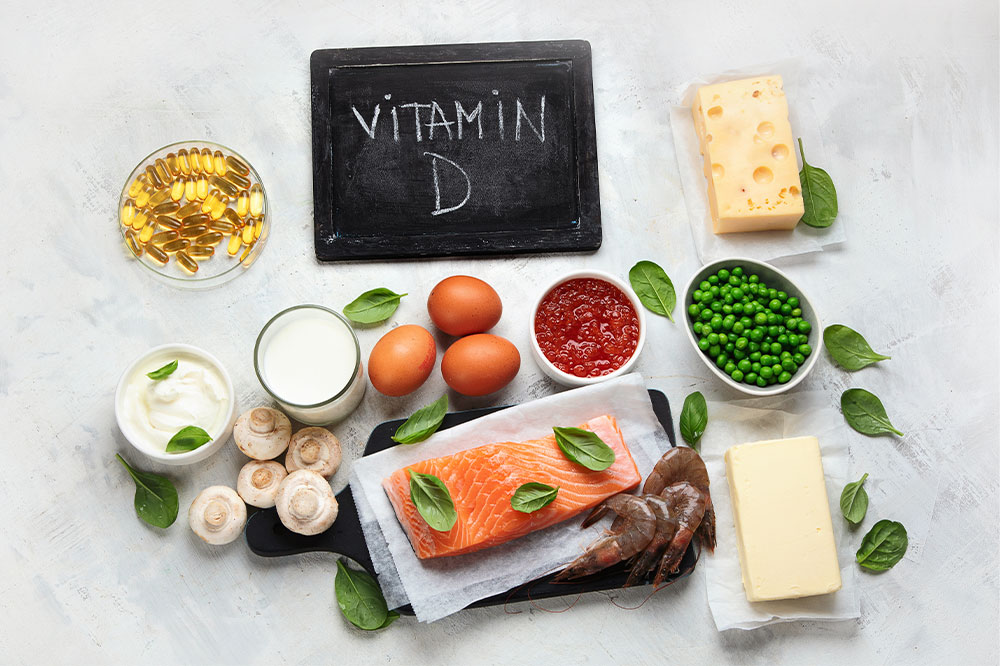
To prevent the onset of osteoporosis, one must eat well and exercise regularly. Getting the right amount of vitamin D can also aid calcium absorption in the body and significantly improve bone health.