Reasons to avoid tap water and drink purified water
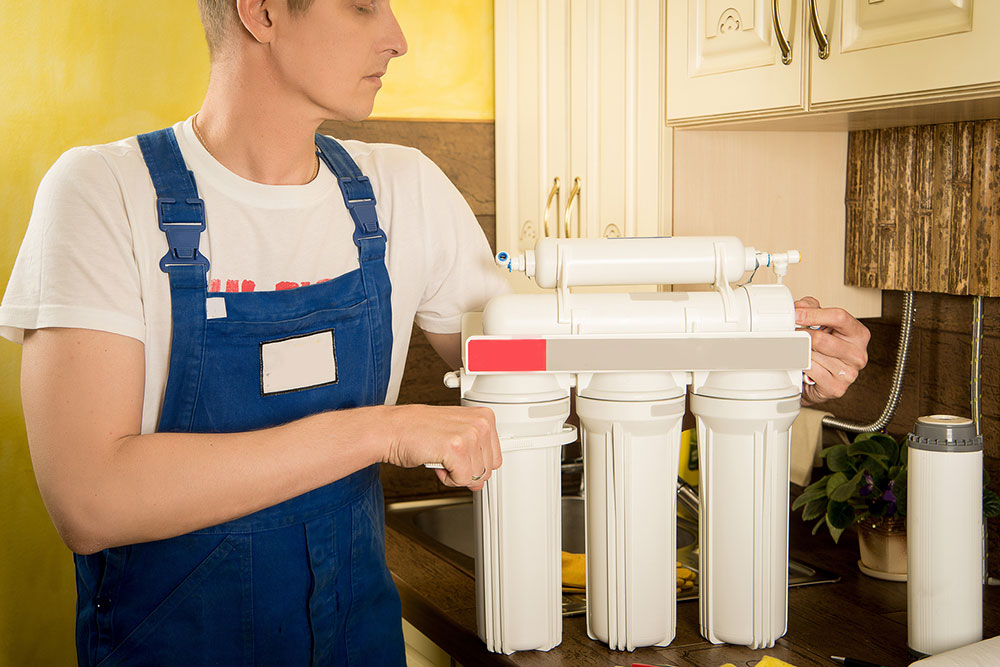
Most countries provide the public with easily available tap water drinking stations, and this water is usually considered safe for consumption. The government and health bodies have a testing and treatment process in place to ensure that tap water meets regulatory standards provided by them. However, water can have a certain potential to cause harmful side effects for people. Here are some reasons why one must avoid drinking tap water and switch to purified water.
Microbial contamination
Improper treatment of drinking water can lead to the water being contaminated with parasites like bacteria and viruses. And prolonged exposure to these microbes can lead to health issues like stomach cramps, diarrhea, and vomiting.
Fluoride exposure
Fluoride is added to drinking water sources to prevent dental decay. However, if there is an excess amount of fluoride present in the water source, it can also cause dental fluorosis. The condition can cause defects in tooth enamel and lead to discoloration of the teeth. Increased intake of fluoride can also increase the risk of skeletal fluorosis, leading to symptoms like bone pain, stiffness, and fractures.
Exposure to nitrates and nitrites
Groundwater sources can turn septic because of system leakage. It can be caused because of the introduction of nitrates and nitrites in the water. Agricultural runoff might also prove to be a contributing factor in the matter. When this water makes its way into the tap water supply channel, it can create problems. Excess exposure to nitrates can decrease the body’s ability to carry oxygen, increasing the risk of health complications.
Exposure to chlorine byproducts
Chlorine is added to water as a source of disinfection. It is present not just in swimming pools but also in drinking water sources. The chlorine then reacts with some components in the water that can give rise to some byproducts. Prolonged exposure to these compounds can increase the risk of health concerns.
Contaminant exposure
Depending on the treatment the drinking water receives, there is a possibility of it being exposed to heavy metals. These include arsenic, lead, and multiple industrial pollutants. Increased exposure to these contaminants on a repeated basis can cause neurological issues.
Metal contact
Tap water can easily come in contact with metals like copper, lead, and cadmium. It can occur when the water is in repeated contact with corroded plumbing. Chronic exposure to these metals can hurt a person’s health. These complications can include cardiovascular issues, kidney damage, and neurological impairment. To avoid this, individuals must regularly get their water infrastructure tested to check for metal contamination risks.
It is important to note that tap water undergoes multiple treatments to ensure it is fit for drinking. However, sometimes, the trials might not get the desired results. In these rare cases, microbial activity inside the body can give rise to various health complications that can result in adverse conditions.
To overcome these issues, people should add water purifiers to their taps and gain access to safe drinking water. Here are a few reasons why using water purifiers is better for individuals:
Improved water quality
Despite its multiple purification treatments, the possibility of contamination present in tap water is high. Water purifiers are specifically designed to help eliminate these contaminants and provide individuals with safer, cleaner, and better-tasting drinking water. These purification systems can work against various contaminants, eliminating leftover chlorine, bacteria, viruses, heavy metals, sedimentation, and other chemical pollutants. When individuals switch from tap water to purified water, they gain access to drinking water that is not just visibility clean but also free of harmful parasites and chemicals.
Improved health
Improved health is one of the most significant reasons individuals should invest in a water purifier. It helps remove harmful contaminants from the tap water and ensures that the water used to drink and cook is safe and pure. Using a water purifier can reduce the risk of gastrointestinal complications, water-borne diseases, as well as long-term health complications that can be associated with prolonged exposure to contaminated water.
Cost-effective
Cost-effectiveness is one of the significant improvements when switching from bottled water to purified water. Although the initial investment for a water purifier might seem like a hefty price to pay, in the long run, bottled water can save an individual a lot of money. Additionally, people no longer have to worry about storing and disposing of countless plastic water bottles and harming the environment. With a purifier installed, it is easier to access tap water for drinking, cooking, and other purposes.
Convenience
With the availability of water purifiers at home, individuals do not have to constantly be worried about stocking bottled water or being exposed to contaminants present in tap water. An alternative method for individuals is to boil the drinking water. However, this can be an exhaustive process. Instead, using a water purifier gives individuals access to safe and clean drinking water right from the tap. People can also find advanced purifiers in the market that can help control water temperature, automatic filtration, and also provide smart monitoring options.
Eco-friendly
A huge chunk of the population depends on bottled drinking water. Most of these bottles are made from plastic and contribute to the mounting amounts of plastic waste that is impacting the environment. Water purifiers, on the other hand, are better for the environment. Their production and distribution process does not leave behind vast carbon emissions, causing increased environmental pollution. Therefore, choosing water purifiers can help people decrease their carbon footprint and also reduce their contribution to plastic landfills.