Muscular dystrophy – Signs and management options
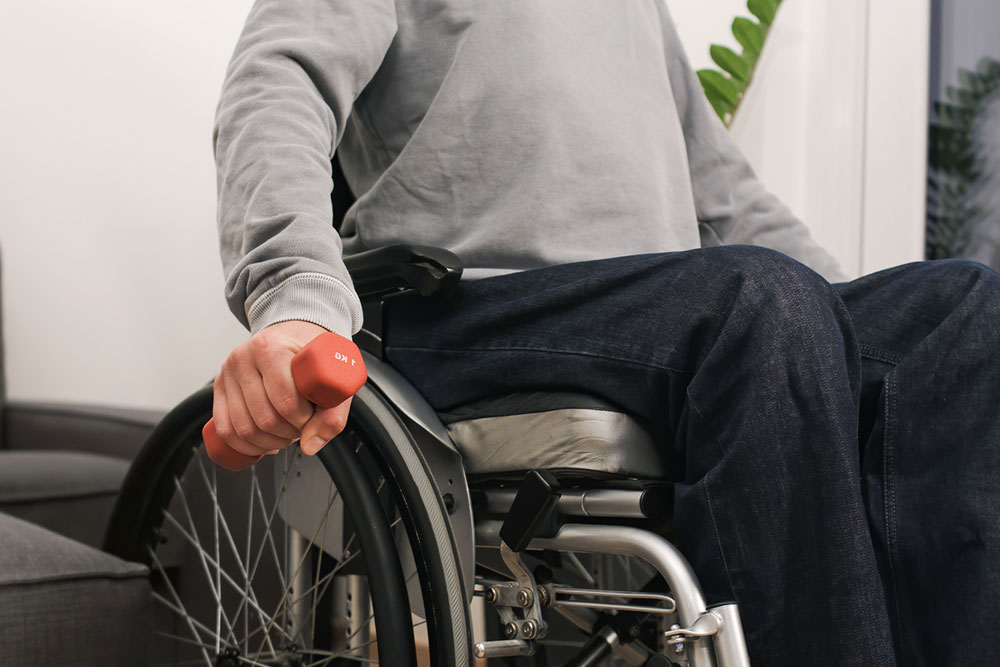
Muscular dystrophy is a group of genetic muscle disorders that cause the progressive weakening and degeneration of muscle tissue. These conditions can affect people of all ages and cause various degrees of muscle weakness and disability. Early detection and subsequent treatments can significantly improve the quality of life for those affected. Here are some early warning signs of muscular dystrophy and treatment options.
Muscle weakness
Muscle weakness is often one of the earliest signs of muscular dystrophy. Muscular dystrophy is characterized by the deterioration of muscle fibers, making them less capable of contracting and generating force. As muscle fibers weaken and die, muscle strength diminishes. Affected individuals may experience difficulty performing simple tasks like lifting objects, climbing stairs, or getting up from a seated position. This weakness typically begins in the muscles closest to the trunk of the body and gradually spreads to other muscle groups.
Frequent falls
Muscle weakness can affect the stability and coordination required to maintain balance. As the muscles weaken, the ability to react quickly to changes in posture or movement diminishes, leading to an increased risk of falls. Children with muscular dystrophy may tend to fall more often than their peers, especially when running or participating in physical activities. This is often attributed to muscle weakness and poor coordination, making maintaining balance challenging.
Delayed motor milestones
In infants and young children, delays in achieving milestones in basic motor skills such as crawling, sitting, and walking may signal the presence of muscular dystrophy. Children with this condition may take longer to reach these developmental milestones compared to their peers. Since muscular dystrophy affects the muscles needed for basic motor skills, there may be delays in the development of these essential movements.
Difficulty standing from a sitting position
Individuals with muscular dystrophy often struggle with standing up from a seated position without assistance. This difficulty can be due to weakened leg muscles and may become more pronounced over time.
Muscle wasting
Also known as muscle atrophy, this is a hallmark sign of muscular dystrophy. Affected individuals may notice a visible reduction in muscle size, particularly in the calf and thigh muscles. This can give the appearance of “skinny” or “twig-like” limbs. Muscle wasting occurs because the muscle fibers gradually get replaced by fat and connective tissue as they degenerate. This process results in a noticeable loss of muscle mass.
Difficulty with fine motor skills
In some cases, smaller muscles responsible for fine motor skills can be affected. This can manifest as difficulty with tasks such as writing, buttoning shirts, or tying shoelaces.
Contractures
This is a common complication where muscles weaken and become less active, resulting in the surrounding structures gradually tightening and limiting joint movement. The shortening and tightening of muscles, tendons, and ligaments can lead to joint stiffness and reduced range of motion.
Respiratory problems
The diaphragm and intercostal muscles weaken due to the illness, and as a result, individuals may experience reduced lung capacity and weakened coughing ability, making it difficult to clear mucus and maintain proper oxygen levels. This can lead to respiratory infections, reduced oxygen intake, and, in severe cases, the need for respiratory support devices like ventilators to aid breathing and prevent respiratory failure.
Fatigue
As muscles weaken, they become less effective at performing everyday tasks, requiring more energy and effort. This increased energy expenditure leads to a quicker onset of fatigue during physical activities. Additionally, the body’s compensatory mechanisms, such as altered movement patterns and overuse of unaffected muscles, further contribute to fatigue.
Treatment options for muscular dystrophy
- Physical therapy
Crucial for maintaining muscle strength and mobility, physical therapy is one of the most common treatment options. Therapists can design exercise programs tailored to the individual’s needs to improve muscle function and prevent contractures. - Orthopedic interventions
Orthopedic procedures like tendon releases or corrective surgeries may be considered to improve joint contractures, enhance mobility, and reduce pain caused by muscle imbalances. - Occupational therapy
Occupational therapists help individuals with muscular dystrophy develop strategies to perform daily activities more easily and independently. They may recommend assistive devices or adaptive techniques. - Mobility aids
Depending on the severity of muscle weakness, mobility aids such as wheelchairs, scooters, and braces can enhance independence and physical movement. - Respiratory therapy
Muscular dystrophy can affect the muscles needed for breathing. Respiratory therapists can provide techniques and equipment to support respiratory function. - Hydrotherapy
Hydrotherapy, or water therapy, involves exercising in a warm pool. The buoyancy of water reduces the impact on muscles and joints, making it comfortable to perform exercises and maintain range of motion. - Cardiac care
Regular cardiac assessments are essential for the types of muscular dystrophy that affect the heart. Cardiologists can monitor heart health and provide treatments such as prescriptions or cardiac devices when necessary. - Pulmonary care
Regular monitoring of respiratory function and early intervention to manage respiratory complications is crucial. This may involve regular check-ups with pulmonologists and the use of non-invasive ventilation devices as needed.
Other help options
- Assistive technology
Various assistive technologies, including speech-generating devices and computer software, can assist individuals with muscular dystrophy in communication and daily tasks. - Nutritional support
Proper nutrition can help maintain muscle health. Nutritionists can develop dietary plans to ensure individuals with muscular dystrophy receive adequate nutrients. - Psychological support
Living with muscular dystrophy can be emotionally challenging; this is where counseling and support groups can help cope with the psychological aspects of the condition. - Education and advocacy
Raising awareness and advocating for the needs of individuals with muscular dystrophy can improve access to resources and support. - Stress management
Since stress can exacerbate the symptoms of muscular dystrophy, practicing mindfulness, meditation, and relaxation exercises can help manage stress and improve overall well-being. - Home modifications
Adapting the home environment to accommodate mobility challenges, such as installing ramps, handrails, and accessible bathroom fixtures, can enhance safety and independence. - Education and vocational training
For individuals of working age, vocational training and education programs can help them acquire skills and pursue meaningful employment opportunities.