Migraine – Ways to manage the condition
Migraine headaches are a devitalizing experience. It completely saps the person of energy and prevents them from being productive during these episodes. There is usually a build-up to a migraine attack which is different for every individual. The phase before the actual migraine attack is known as the aura, and people may report seeing flashes of light or experiencing a tingling sensation. Below are some options for treating migraine headaches:
Treatment options
- Nurtec
Nurtec is a treatment option that helps relieve some symptoms of migraines. It reduces the severity of headaches and sensitivity to light. Nurtec is usually taken on alternate days to prevent migraines and other pain associated with the condition.
- Ubrelvy
Ubrelvy, a fast pain-relief, is a treatment option that blocks calcitonin gene-related peptide (CGRP) in the body. CGRP is associated with migraine attacks, and suppressing it goes a long way in treating the condition.
- Excedrin
This pain reliever does not just treat migraine headaches but also pain in other parts of the body. Excedrin provides fast pain relief to the patient.
- Qulipta
Qulipta is a treatment option that helps prevent migraines over a more extended period. However, medical professionals do not recommend this treatment option to people suffering from kidney or liver problems. Qulipta works by blocking the CGRP protein.
Foods to help manage migraine headaches
Certain foods are part of the preventive treatment for migraines. While a preventative treatment may not completely stop migraine headaches, it will help reduce the severity and occurrence of these attacks.
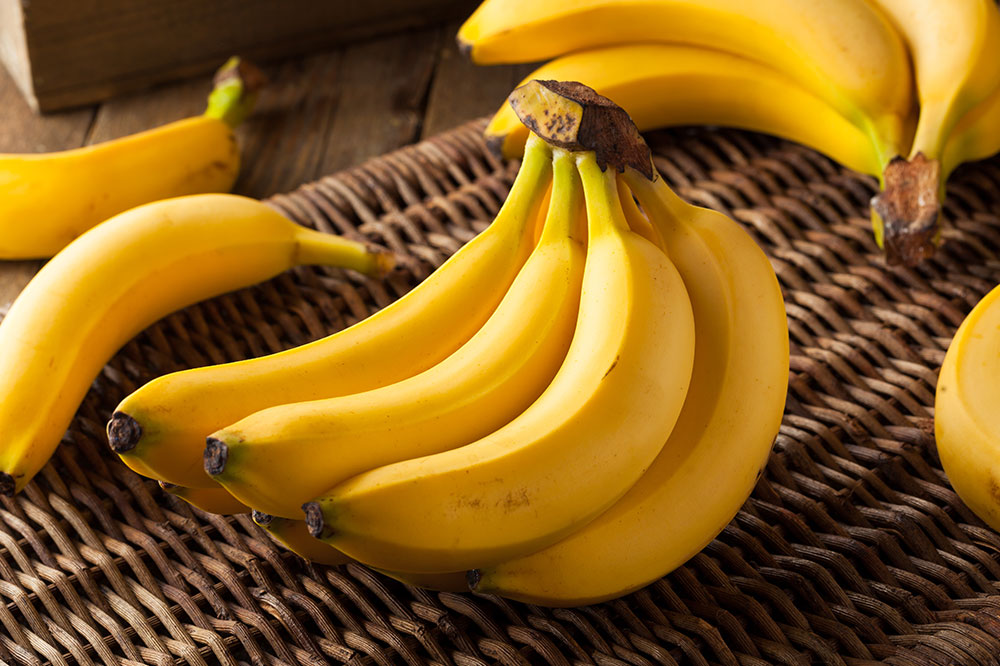
- Bananas
Bananas are rich in magnesium. According to some studies, magnesium is deficient in migraine sufferers, and the mineral stops the chemicals that cause pain.
- Watermelons
Watermelons contain around 92% water, and it is a great way to stay hydrated. Dehydration often triggers headaches in general, which could lead to migraine attacks.
- Seeds and nuts
Pumpkin and chia seeds and cashew nuts are all important sources of magnesium.
- Herbal teas
Peppermint and ginger teas help in relieving headaches and staying hydrated.
- Berries
All kinds of berries, including strawberries, blueberries, and raspberries, contain antioxidants.
- Yogurt
Yogurt prevents dehydration and promotes gut health. Improved gut health prevents certain symptoms of migraines, such as constipation.
- Broccoli
Broccoli contains phytoestrogens that may help with hormonal imbalances in women. Hormonal disruptions also trigger migraines.
- Dark chocolate
Dark chocolate is a good source of magnesium and may help with headaches caused by caffeine withdrawal.
Lifestyle changes to manage migraine headaches
Certain lifestyle changes and positive habits help manage stress and relieve pain. These include:
- Sleep hygiene
Sleep is important for maintaining good health and healing the body. When we sleep, the body uses the time to perform important cell and tissue repair, detox the brain, and release hormones to perform vital body functions. Sleep deprivation and migraine headaches are connected. Getting a good night’s rest will go a long way in preventing and alleviating the pain associated with migraine headaches.
- Exercise
Studies have shown that regular exercise helps lower the number of migraine attacks experienced by a patient. This is caused by the release of endorphins during exercise. Endorphins, also known as the “feel good” chemicals, help the body cope with pain and are responsible for boosting feelings of happiness. However, it is best to avoid exercise while having a migraine headache. At these times, rest and relaxation are more important to manage the pain.
- Good posture
Long hours spent in one position at a desk can result in an incorrect posture that causes neck and back pain. This stress on the neck, back, and shoulders could result in migraine attacks and headaches. It is recommended to get an ergonomic workstation that will not put pressure on any part of the body. Moreover, remember to get up from the desk and walk around or stretch to keep the muscles moving. Constantly sitting for long periods will cause muscle spasms.
- Reduce stress
Almost 80% of the people suffering from migraines list stress as a trigger. Constant feelings of anxiety and fear impact the functioning of the brain and can trigger headaches. Manage anxiety by getting help in those areas of life that are causing stress.
Signs of migraine headaches
Below are some typical symptoms of migraine attacks:
- Migraine headaches usually last for a minimum of 4 hours to 72 hours. People who are prone to chronic attacks may suffer from headaches on a daily basis or several times a month.
- Extreme mood swings are also a cause of concern. Some people may feel depressed, while others report feeling elated.
- High sensitivity to light and disturbances in vision/seeing sparkling and shimmering particles in front of their eyes should not be ignored. Some people may even temporarily lose their vision.
- Vomiting or feelings of nausea.
- A tingling sensation, like pins and needles, on one side of the body should be reported to the doctor.
Medical experts have not been able to find the causes of migraines. However, it is possible to determine some triggers of migraine attacks. These triggers vary according to the individual and include certain foods, beverages, changes in season, hormonal disturbances, hunger, or dehydration. Food and lifestyle changes can also help manage migraine headaches.