Management Remedies for Rheumatoid Arthritis

Rheumatoid arthritis is an autoimmune disease that can impact synovial joints and other organs like the eyes, lungs, and heart. The joints in the hands and feet are the most commonly impacted, although they can also affect the knees, hips, and shoulder joints. A meal plan cannot cure it, but appropriate dietary changes can help reduce the inflammation that causes damage to the body. Here’s all you need to know about managing rheumatoid arthritis.
Here are a few things you should know about managing rheumatoid arthritis:
Seven things to avoid to manage rheumatoid arthritis
Along with proper treatment, you should also avoid certain foods to manage rheumatoid arthritis:
Red meat
Red meat contains high levels of saturated fat that can exacerbate inflammation and lead to obesity.
Sugar and refined flour
Your blood sugar levels can surge when you consume too many carbohydrates and refined flour. However, you can try gluten-free alternatives because a spike in blood glucose levels can worsen many of your arthritis symptoms.
Fatty foods full of omega-6 fatty acids
Trans fats can increase the risk of insulin resistance and obesity, a primary risk factor for arthritis. It can increase bad cholesterol in the body and is also responsible for lowering good cholesterol. So, avoid the consumption of unsaturated fatty acids, which are found in packaged food items, margarine, vegetable oils, etc.
Corn oil
Corn oil contains high quantities of omega-6 fatty acids. So when you plan to consume more omega-3 fatty acids, having an excess of corn oil will cause a high omega-6 to omega-3 ratio. This will increase arthritis pain and may even lead to limb dysfunction. So, maintaining a balance between the two types of fatty acids is critical to lowering inflammation and ache.
Preservatives
As a flavor enhancer, MSG is added to many food items. It triggers inflammation, so it should be avoided. You should read the food labels before you buy any packed food.
High-purine foods
Purines are present in certain eatables that can break down into uric acid in the body. Food like organ meats, anchovies, and other similar items can worsen the symptoms of arthritis by increasing uric acid levels in the body.
Nightshade vegetables
Nightshade vegetables can aggravate inflammation in a person with arthritis, these include peppers, tomatoes, potatoes, and eggplants.
Staying active and doing low-impact activities like swimming, walking, and light stretching can help reduce rheumatoid arthritis pain and protect bone health. Along with eating the right food, you should make specific lifestyle changes to manage this disease.
Top 5 smoothies for relief from joint pain
Consider these tasty smoothies and get relief from joint pain.
Sour cherries and Pomegranates
Sour cherries and pomegranates are rich in polyphenols like anthocyanins and punicalagin, and mix these items and enjoy the delicious smoothie.
Celery-Ginger Smoothie
Ginger is known to have excellent immunity-boosting properties, and celery works wonders to battle inflammation.
Pineapple-Turmeric smoothie
Pineapples are loaded with vitamin C, while turmeric blocks COX-2, an enzyme that can cause arthritic pain.
Kiwi and Kale smoothie
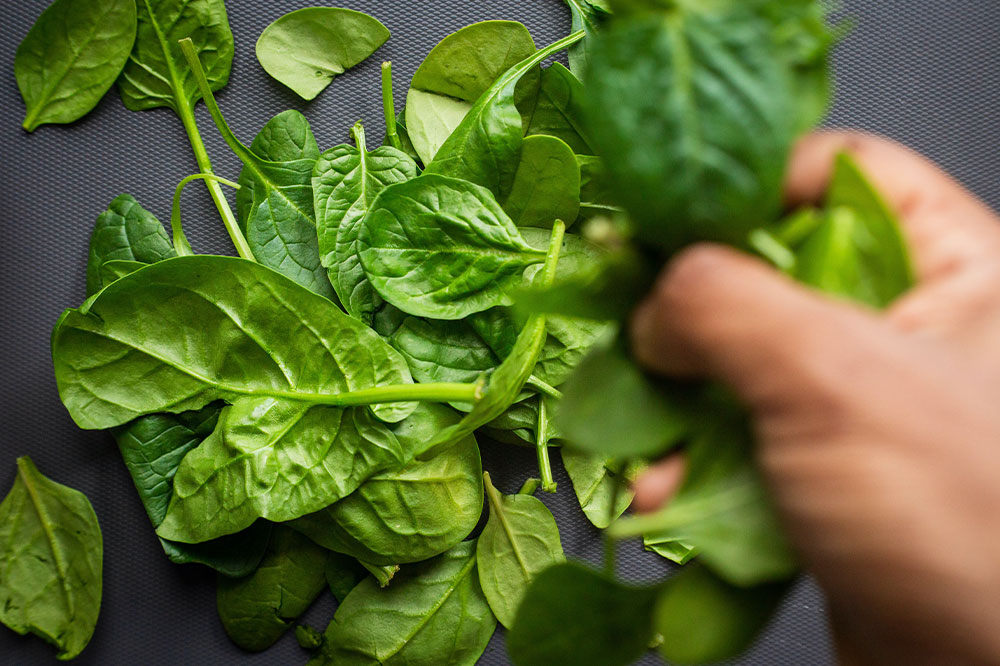
Kale is filled with magnesium that helps calcium absorption, while kiwi helps crush proteins that cause inflammation.
Mango-Strawberry Smoothie
Mango contains vitamin C and carotenoids that help control inflammation, while the anthocyanin in strawberries has excellent anti-inflammatory qualities.
Six foods to manage arthritis
Here are some food items you should consume to manage arthritis-
Pineapple
Pineapple contains a group of enzymes called bromelain, which has anti-inflammatory effects and can help reduce the swelling and pain associated with rheumatoid arthritis. It aids in improving joint mobility, making it easier to perform daily activities.
Low-fat diary
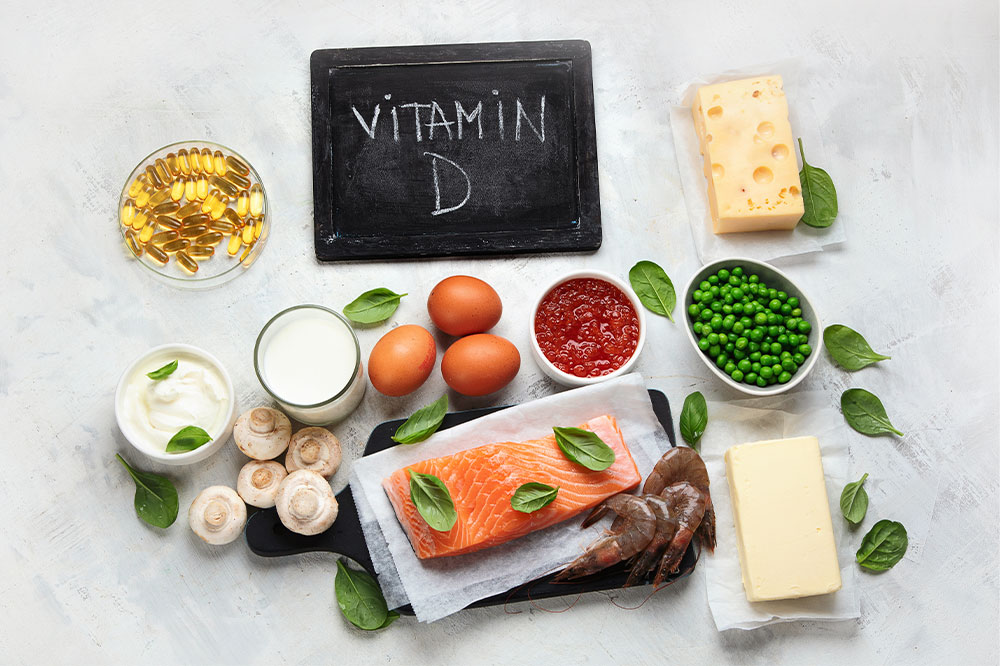
Dairy products are a good source of calcium, which is essential for maintaining bone health, as arthritis can increase the risk of osteoporosis. Fortified dairy products contain vitamin D, essential for calcium absorption and bone density. Furthermore, it is a good source of protein, which is necessary for maintaining muscle mass and strength.
Food rich in calcium
Rheumatoid arthritis can cause joint damage and thinning of bones, which later progresses to osteoporosis. Adequate calcium intake is essential for maintaining bone health and thereby preventing osteoporosis. Food rich in calcium, such as dairy products, leafy greens, and fortified foods, can help maintain bone density and reduce the risk of fractures. Calcium also plays a role in muscle function and nerve impulse transmission.
Whole grains
Whole grains such as oats, brown rice, quinoa, and whole wheat are high in fiber. These have anti-inflammatory properties that can help reduce the symptoms of rheumatoid arthritis. They are also a good source of vitamins, minerals, and antioxidants, all of which can support a healthy immune system and reduce inflammation.
Fish
Fish with red flesh, like sardines, mackerel, herring, fresh tuna, salmon, and snapper, are high in omega-3 polyunsaturated fatty acids. In addition to being good for the heart, fish oils have the potential to help reduce joint pain, stiffness, and general inflammation.
Legumes
Legumes, including beans, lentils, peas, and chickpeas, can be essential in managing rheumatoid arthritis. They are high in nutrients like protein, fiber, folate, magnesium, and potassium. In addition, legumes are a good source of plant-based protein, which can help people with rheumatoid arthritis maintain muscle mass and prevent further joint damage.
Conclusion
The exact cause of rheumatoid arthritis is still unknown to the scientific community, but it is thought to have a genetic component playing the role. It is believed that several environmental factors can trigger the onset of this condition in people with a family history of the disease. For example, a well-planned meal plan can supplement you with the necessary nutrients required to boost your immune system and make it actively fight against the environmental risk factors like pathogens. In addition, you may also consult a healthcare professional to devise a nutritious meal plan to handle the symptoms better.