Leukemia – 3 ways to manage the condition

Leukemia, or blood cancer, originates in the bone marrow. It is a condition characterized by the uncontrolled growth of white blood cells. It differs from other types of cancer that are marked by the presence of a tumor. There are four types of the condition – acute lymphocytic leukemia, chronic lymphocytic leukemia, acute myelogenous leukemia, and chronic myelogenous leukemia. The condition is incurable, but following these tips can help manage the disease better:
Getting Treated
The patient must be put on the right treatment immediately after diagnosing the condition. TASIGNA® (nilotinib) and BLINCYTO ® (blinatumomab) are two prescribed treatments for leukemia.
TASIGNA ® (nilotinib)
This is advised for newly diagnosed adults with Philadelphia chromosome Chronic Myeloid Leukemia or Ph+ CML-CP. It is also recommended for adults who cannot tolerate or are not benefiting from other treatments. Children above 1 year who are newly diagnosed with chronic myeloid leukemia or those who are not benefiting from other therapies are also advised to try this treatment. It was approved in 2007 and has helped treat about 28,000 people in the US with the condition Ph+ CML-CP.
BLINCYTO ® (blinatumomab)
This is advised for adults and kids with B-cell precursor Acute Lymphoblastic Leukemia. It is also advised for patients in remission with detectable cancer cells or MRD.
Foods that patients should consume and avoid
It is vital to eat right when detected with leukemia. This will help the body stay strong and tolerate the treatment better. With well-balanced nutrition, the body can replace the cells and tissues affected by the treatment and its side effects. At the same time, certain food types can harm the treatment procedures and prevent the body from recuperating well. Hence, such foods should be avoided.
Here’s a list of foods to eat and avoid.
Foods to eat Include :
Staying hydrated is essential. Consumption of water in adequate quantities is advisable to avoid dehydration. Patients are advised to consume soups, shakes, and juices, especially those that are facing issues swallowing food.
Cruciferous vegetables like cabbage, Bok choy, broccoli, cauliflower, kale, and certain types of legumes are advisable for patients suffering from leukemia. A study reveals that sulforaphane found in these vegetables can keep the spread of the disease under check. The best way to consume vegetables is to steam them.
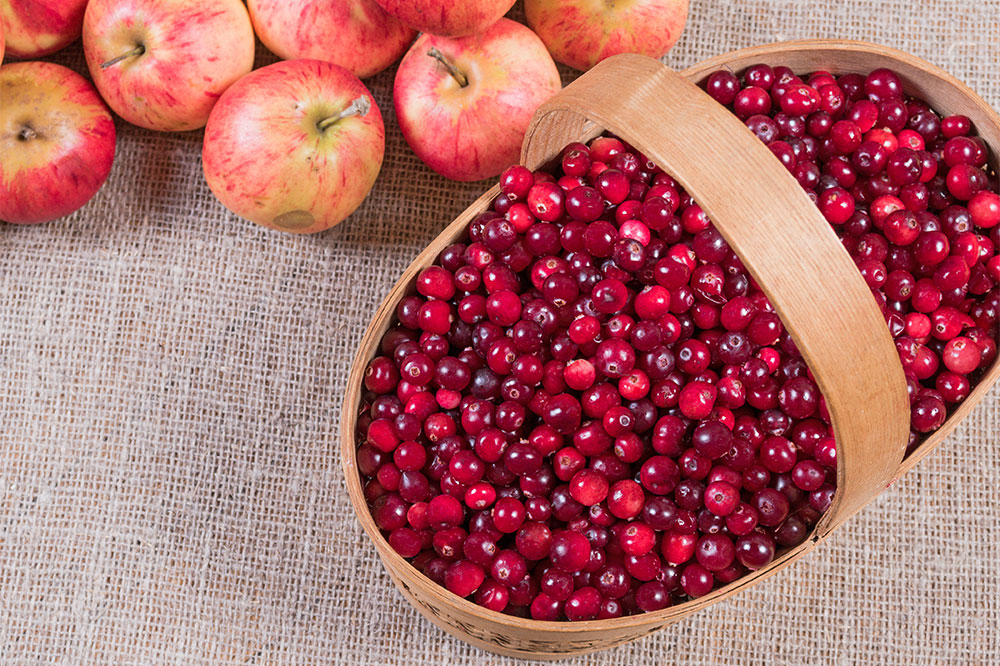
Fruits like blueberries and apples are rich in vitamins, antioxidants, minerals, and phytochemicals and, therefore, helpful.
100% whole grains like brown rice, whole-wheat bread or whole-grain cereal, quinoa, etc., are advised.
Fat-free or low-fat dairy products.
Low-fat proteins such as poultry or lean meat can help combat the side effects of certain leukemia treatments that cause nausea and reduce appetite. Low-fat proteins are required for strength.
Healthy oils like olive oil are advised as they contain oleocanthal that can impair certain types of cancerous cells.
Probiotics like yogurt are recommended to keep the gut healthy.
Foods to avoid include :
Saturated and trans fats like butter should be reduced.
Salt or sodium intake should be reduced and kept below 2,300 mg daily.
Added sugar should be avoided too.
Avoid soda and other sugar-coated drinks.
Green tea should be avoided as it can reduce the effect of certain treatments.
Tomatoes and ketchup
Food containing high fiber content
Spicy and fried foods
Milk products
Caffeine
Citrus fruits
Uncooked veggies
Uncooked fruits, except for the ones that come with a fleshy peel
Salads
Cheese
Unpasteurized dairy food
Unboiled water
Lifestyle changes
Choosing healthier practices can also help manage the condition better. These include:
Maintaining hygiene to reduce infection risks : With the ongoing treatment and the condition, there are higher chances of catching infections like the flu. Washing hands regularly, using hand sanitizers, disinfecting surfaces regularly, etc., can help.
Exercising : It is essential to exercise safely. This helps keep the patient energetic, strengthen their immune system, and boost their mental health. Walking, aerobic exercises, strength exercises, etc., are mostly recommended. Patients should also stand up regularly and indulge in physical activities of a shorter duration for optimal health.
Rest & sleep : Patients must take adequate rest to manage fatigue. A minimum of 7 – 8 hours of sleep is advised for patients. Medical experts also advise patients to go to bed every night at the same time.
Seeking support : Leukemia patients should seek support from family members, friends, and the community. This is especially true in the case of daily chores that require physical strength.
Stress management : Stress is bad for the health of a person with leukemia. It is pertinent to manage the rising stress levels purposefully. Techniques like yoga and meditation have been found to provide relief to many survivors.
Stay away from eco-toxins : Patients with leukemia should avoid exposure to smoke, and chemicals like formaldehyde, asbestos, and styrene, as these can aggravate the condition.
Conclusion
We hope this guide helps you to thoroughly understand the condition of leukemia. While treatment is integral for patients with leukemia, a healthy lifestyle and the right food habits can holistically support their treatment. It can also positively impact their health on a long-term basis. A combination of the right treatment, appropriate food choices, consuming them the right way, and making positive lifestyle and behavioral choices can improve the quality of life for most patients.