7 factors to consider when buying a used car
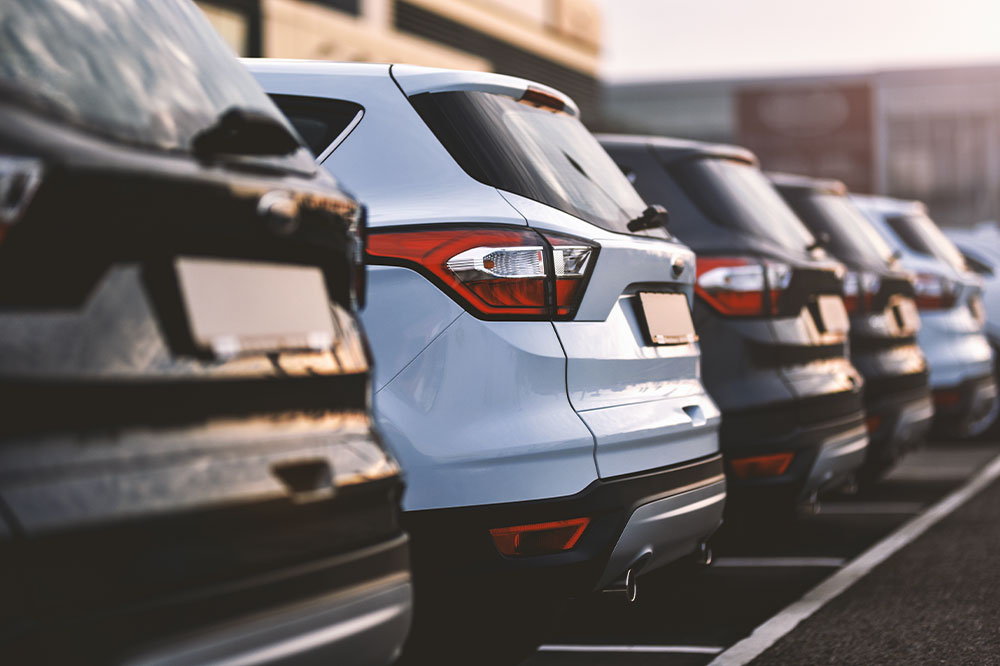
Purchasing a used car is one of the practical options during an economic crunch. But it is a tricky affair since, despite being second-hand, it is expected to last longer. Therefore, one must not oversee any loopholes and check several factors while dealing with a used car seller. These include the concerned vehicle’s lineage, service history, present condition, limitations, etc. Here is a list of the critical factors to consider when purchasing a used car:
Prepare a budget
One must set a budget first since the economy is the primary reason behind purchasing a used car. The budget helps limit the range of choices and prevents one from overspending. While preparing the budget, one must consider whether there are adequate savings to pay for the down payment. Following that also check if there are enough earnings to pay loan installments, maintenance, and insurance.
Also, there are issues of service, state and local taxes, and depreciation, all of which must be calculated to determine whether they fit your budget. One must remember that the less one spends during the purchase, the more money they have for the car’s maintenance. Consequently, the vehicle will stay for a longer time.
Consider lifestyle choices
To a significant extent, the cost of the car is determined by:
- The purpose of the purchase : Pleasure or commuting
- The nature of the driveway: Freeway or city driving
- One’s driving style: Rash or laidback
Besides that, lifestyle choices also play a vital role. For example, if one has pets, they need to look for a vehicle that would give ample space for them. Similarly, if there are plans to move away in the future, one must consider the tolls and the distance it may involve. Such a situation can also make one reconsider purchasing a used car. Thus, the best way to choose a perfect used car is to consider how one lives and plans to live in the future.
Check the used car’s lineage
Even though acquiring detailed information about the chosen vehicle is rarely possible, a thorough inspection should be one of the top priorities. After all, one should not experience loss and reap the maximum return. Therefore, one must know that their car’s value may be affected by several factors. Some of them are:
- Previous owner’s driving style, vehicle maintenance, and parking spot.
- Signs of significant wear and tears in the car’s interior.
- Exposed old parts or wires
- Damaged parts
- Mismatched colors and paints
To ensure the prospective vehicle is in good condition, it is recommended to conduct a pre-purchase inspection by a mechanic or car expert.
Insurance cost
Insurance costs are another factor one must consider before purchasing a used car. A significant amount of money slashes one’s budget if their car-purchasing plan is long-term since this plan implies fewer monthly installments and an affordable down payment.
Besides, if one’s driving record is clean, the proposed financial institution will lower their interest rates. However, it is recommended one must carefully review insurance papers as one’s age and marital status may affect their eligibility.
Car title and ownership
One may seldom face inevitable confusion regarding the car’s ownership. It is one of the critical situations where a pre-purchase inspection is a must. Here, an expert opinion is crucial as one may face future problems if unaware of the vehicle’s liabilities.
Visualize a situation where the seller is not the car’s owner, and one faces legal disputes following the purchase. Therefore, it is ideal to contact the state’s motor vehicle department and acquire the necessary information about the prospective car.
Car reputation
If one has zero car purchase experience, it is better to play safe and opt only for reputed cars. One must look up car websites, check user reviews, or seek advice from relatives and friends owning a similar vehicle.
Besides, make sure that the dealer is a reputable one. Such a dealer will ensure maximum customer satisfaction and leave positive reviews, which will enhance their customer base.
Car warranty
One should be extra cautious when intending to make a big purchase, specifically when purchasing a used car. Reviewing the prospective car’s warranty is vital to ensure that one’s long-term interests are not affected by short-term profits.
Verify the future vehicle’s manufacturer warranty status. If the car has a third-party warranty, review the document to confirm what is covered. Remember that a vehicle without a warranty may reduce the purchase price, giving the seller zero responsibility if your car becomes damaged later.
Conclusion
Purchasing a used car is much more tedious than buying a new one. However, one cannot deny that it is one of the most economical options when one is on a tight budget. Besides, it is pretty exciting and a preparatory exercise for purchasing a brand new car. Ensure to follow the abovementioned points, and experience a hassle-free car purchase.