Immunity-boosting Foods for COPD Patients

People with chronic obstructive pulmonary disease (COPD) have blocked airways, making breathing difficult. They have to use more energy while breathing than a normal person. Chronic inflammation weakens the immune system reducing its ability to fight the disease. People with COPD need to consume enough calories to produce excess energy for breathing. Following a nutrition-rich meal plan can help you maintain overall health, strengthen your immune system, and improve lung function.
Here is a list of immunity-boosting foods for COPD patients.
Salmon
To boost energy, people with COPD should include protein-rich foods in their meal plans. Salmon is packed with protein and omega-3 fatty acids that can help reduce inflammation in the airways. Omega-3s are also critical for respiratory health and the immune system. According to a study, consuming fish frequently is associated with a decreased risk of COPD.
Oranges
Oranges are rich in Vitamin C, which is vital for a variety of immune system functions and for preventing lung infections. Citrus fruits like oranges help fight against toxins in the body and lower the rate of damage in the lung tissues. COPD patients also benefit from eating high-potassium foods vital to lung function. Oranges also contain potassium and can help with breathing issues.
Avocado
According to a study, COPD patients have low levels of antioxidants such as vitamins C and E. Avocado is a delicious fruit and a good source of these vitamins that may benefit the lungs. It also contains high levels of potassium, which is vital for lung function.
Sweet potatoes
Sweet potatoes contain beta carotene, which is converted to vitamin A in the body and is excellent for your immune system. Consuming sweet potatoes can help relieve COPD symptoms like breathlessness and fatigue. This tuber contains complex carbohydrates considered healthy for patients with lung disease as it provides the body with the energy it needs.
Broccoli
Broccoli contains sulforaphane which may help boost the immune system and ease the symptoms of COPD. Sulforaphane stimulates the production of free radical-neutralizing antioxidants in the body, thereby improving overall health. Patients may benefit from eating broccoli as it helps the immune system to remove bacteria from the lungs and enhance their function.
Apples
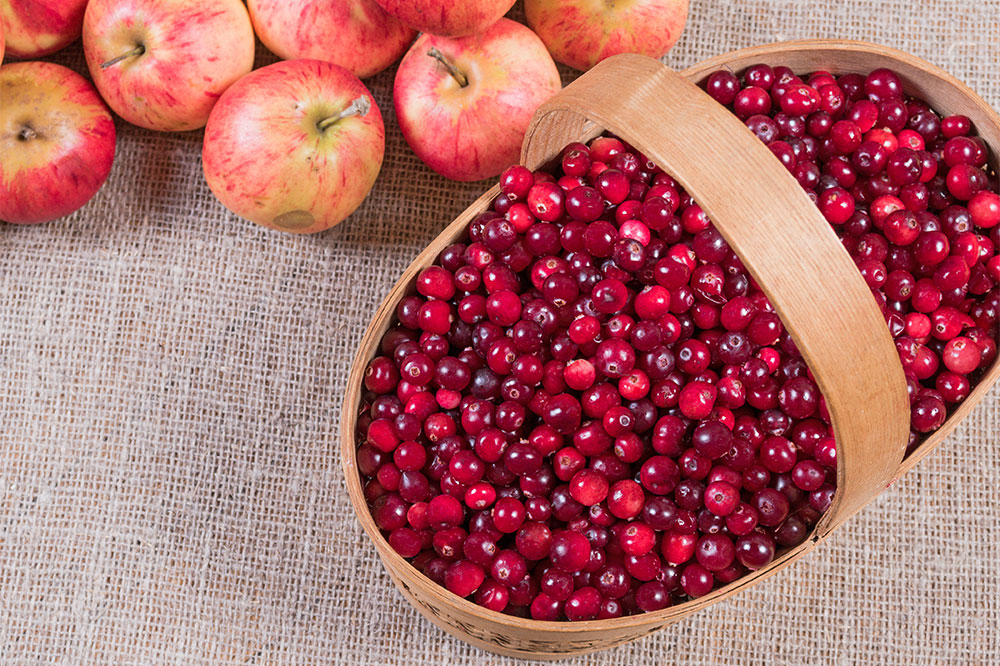
People living with lung diseases like COPD may benefit from eating apples. The fruit contains quercetin, an antioxidant that can help the lungs to function normally and reduce COPD complications. They are also great for cleansing your lungs, and reducing airway inflammation and oxidative stress.
Garlic
There are many known benefits of garlic intake, including immunity boosting. Garlic contains allicin which is a compound beneficial for respiratory diseases such as COPD. Allicin can kill bacteria and help unclog the lungs, making breathing easier. You can either consume raw garlic or add it to daily meals.
Beetroot
For lung health, beetroot is one of the vegetables to be included in the COPD meal plans. Beets are high in nitrates and help improve oxygenation in the body. This, in turn, limits the symptoms of conditions such as COPD. Beets also have essential vitamins and nutrients that help people with breathing troubles.
Eggs
Proteins help to produce immune system cells in the body. People with COPD should include good protein sources in their meals at least twice daily to strengthen their respiratory cells. Eggs are a great source of protein and provide energy-boosting nutrition essential for COPD management. For COPD patients with low BMI levels, eggs are a healthy addition as they are a great source of good calories.
Flaxseeds
Foods high in omega-3 fatty acids and lignans play a role in lowering lung inflammation. The presence of lignans, an antioxidant in flaxseeds, helps prevent oxidative damage. These seeds also have a good amount of protein and fiber content. In addition, you can sprinkle flaxseeds on your oatmeal or add flaxseed oil to your meals.
Tomatoes
One of the COPD-friendly vegetables to include in regular meal plans are tomatoes. They are a source of lycopene, a potent antioxidant that also acts as a bronchodilator that makes breathing easier. Additionally, tomatoes have been associated with reduced airway inflammation and improved lung function.
Leafy greens
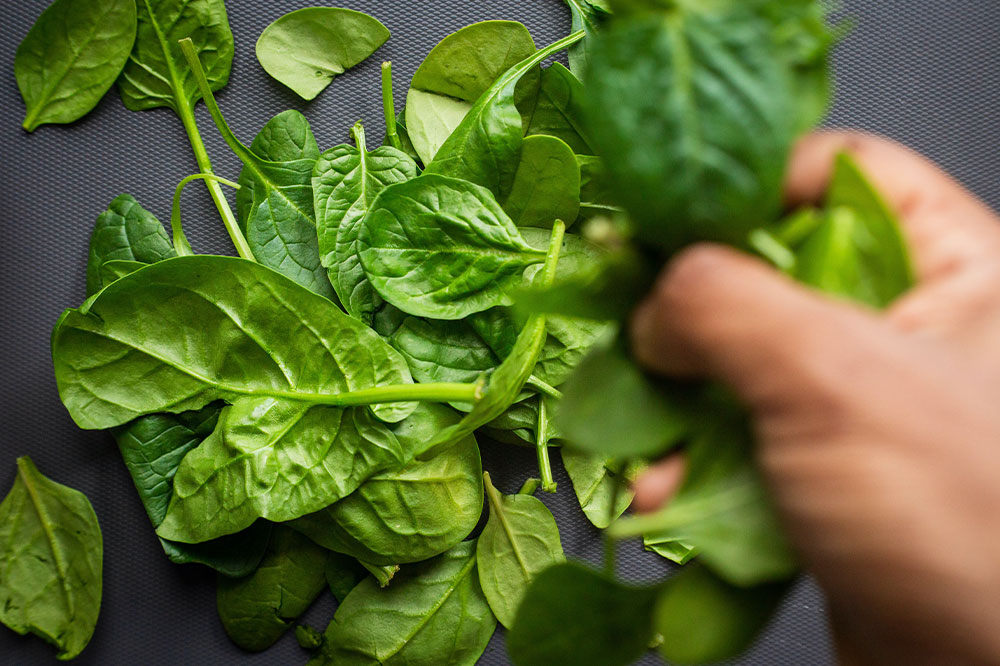
Spinach and kale are loaded with anti-inflammatory nutrients and antioxidants that promote lung health. A study has concluded that leafy green vegetables can effectively reduce stress during respiration. They have high levels of magnesium, which is an important mineral for COPD patients as it helps control the function of bronchial tubes.
Legumes
Legumes such as peas, lentils, black beans, and kidney beans are good sources of protein. COPD patients who have protein deficiency may have a decreased lung ability to fight infections. Protein is important for such patients as it produces antibodies against infectious agents. To get more benefits, consider adding legumes to soups and casseroles.
Cantaloupe
Cantaloupes are high in Vitamin C, which is crucial for immune health and is beneficial for COPD patients. Regular intake can help the body gain immunity and fight against diseases. The vitamin A content in cantaloupes also helps in the rejuvenation of the lung cells in patients.
Blueberries
Eating fruits high in antioxidants, such as blueberries, is beneficial for COPD patients. It contains anthocyanins that help reduce damage associated with oxidation. There are many ways to incorporate blueberries into regular meals. You can add a few of them to your cereal or oatmeal or mix them with plain Greek yogurt.
Living with COPD can be extremely difficult. But boosting your immunity through nutrition is a good way to keep symptoms in check and live a quality life. By following a healthy meal routine, patients with lung diseases can feel an increase in their energy level that is necessary to fight the infection. However, when you make the shift towards healthy eating, pay attention to what works for you through trial and error.