Ignore these 8 foods when diagnosed with hyperkalemia

Potassium is an essential nutrient that allows your body to function optimally. A meal plan rich in potassium allows proper nerve function and regulates your heartbeat. However, certain conditions such as kidney diseases and consuming food rich in potassium excessively may increase its levels in your bloodstream leading to a condition known as hyperkalemia . Let’s look at foods you should limit to keep your potassium within normal levels.
Bananas
The first food that comes to mind when people think of potassium sources is bananas. One medium-sized banana contains almost 422 mg of potassium. Though it would take a lot of bananas to cause an overdose of potassium, if you are also eating other foods rich in potassium, it will lead to excessive potassium levels in your blood, which in turn, will trigger hyperkalemia .
Tomato Sauce and Paste
Raw tomatoes contain a decent amount of potassium. One medium tomato has about 292 mg of potassium. Concentrated forms of tomatoes, such as sauces, salsa, paste, puree, etc., contain even higher amounts of potassium. For instance, a small cup of tomato sauce contains almost 728 mg potassium. So, it is advised to skip tomato sauce and opt for alternatives such as basil or roasted red peppers.
Milk
If you have been advised a low potassium meal plan, you must avoid milk or at least its consumption needs to be reduced. A cup of whole milk contains around 350 mg of potassium. The lower the amount of fat in milk, the higher the potassium content. While you may have a small serving of milk daily, it should not exceed 300 ml. It means avoiding milk and dairy products such as buttermilk, yogurt, milk-based sweets, ice creams, and other desserts.
Oranges and Orange Juice
Oranges have a very high potassium content and are best avoided if diagnosed with hyperkalemia . A medium-sized orange has about 250 mg of potassium, while a more concentrated form such as orange juice has almost 500 mg per cup. Though you don’t need to avoid oranges altogether, limiting their intake is the best.
Fish
You might want to watch your fish intake if you have been advised to consume low potassium foods. However, the good news is that not all fish have a high potassium content. You may want to avoid varieties like halibut, snapper, and cod. A single serving of these may contain as much as 480 mg of potassium. Instead, you can opt for salmon, swordfish, and haddock. They are considerably low in potassium and have only about 300 mg of it per serving.
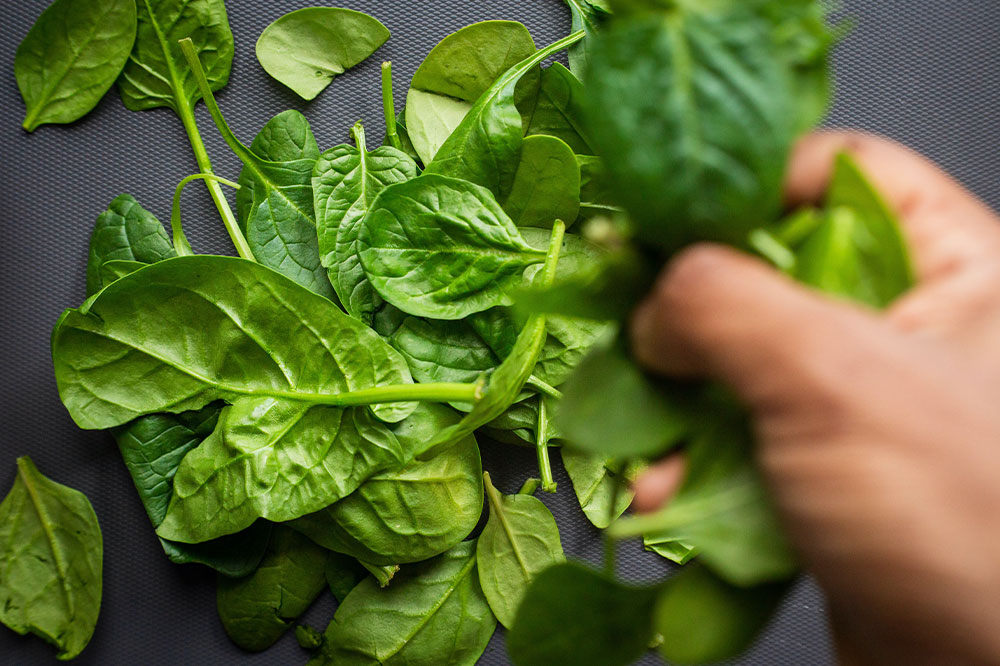
Spinach
Spinach is one of the most nutritious vegetables available to us. However, it is also quite rich in potassium. Around 280 grams of raw spinach has almost 1,585 mg of potassium. While, like other foods, you don’t need to avoid spinach completely for hyperkalemia , you should limit its intake to about half a cup if you have been put on a low potassium nutrition plan.
Beans and Legumes
As legumes and beans are high in potassium, people with hyperkalemia are advised against consuming them. These include peas, kidney beans, lentils, chickpeas, soybean, black beans, etc. However, there are ways to safely enjoy beans and legumes even if a person is diagnosed with hyperkalemia. All they need to do is to leach their potassium content while cooking. You must let the legumes soak for 12 hours or more and rinse them after discarding the water, and then cook them in a pressure cooker or boil them in fresh water.
Dried Apricots
A surprising source of potassium is dried apricots. While fresh apricots have a fair amount of potassium, drying the fruit concentrates the potassium levels in them. Since they are easily available around the year, many people opt for packaged dried apricots. Half a cup of dried apricots pack in almost 550 grams of potassium. If you still want to consume the fruit, ensure you opt for fresh apricots instead of dried ones.
Avoiding these foods will help bring your potassium levels in control and help cure hyperkalemia and the serious health complications associated with it. However, before making any changes to your lifestyle patterns, make sure that you consult your doctor and seek professional advice.