Hypoglycemia – 10 signs of low blood sugar
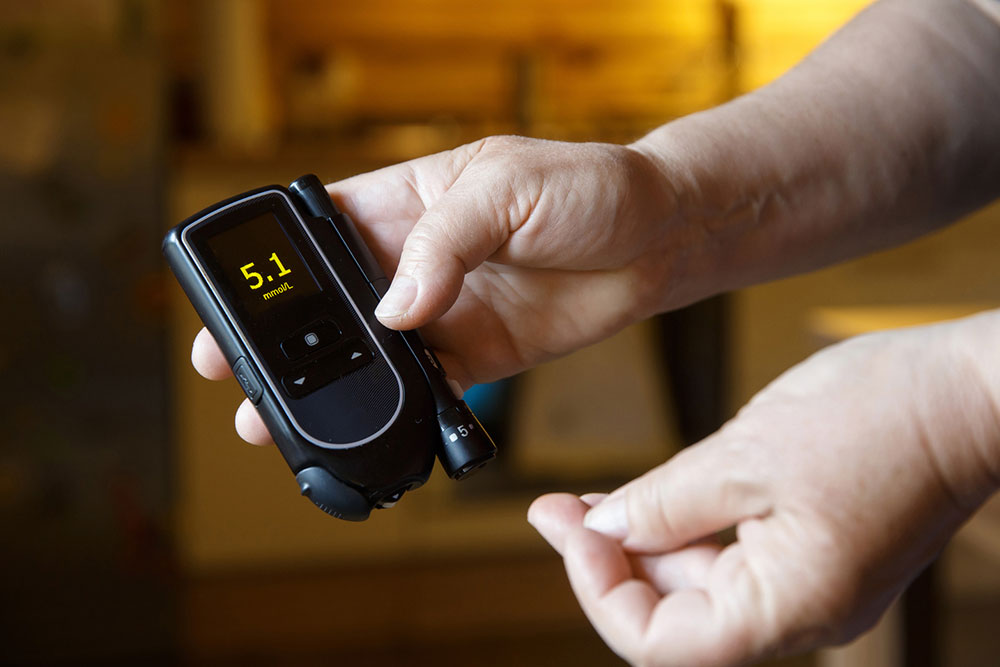
A low blood sugar level is a condition referred to as hypoglycemia. This condition is recognized when the blood sugar level drops below 70 mg/dl, and steps are needed to bring it back up to a healthy number. This type of blood sugar drop is especially common in type 1 diabetes. Some symptoms can help diagnose low blood sugar levels that impact health, and here are some observations to keep in mind.
1. Extreme hunger
This is one of the typical signs and symptoms of a low blood sugar level. This is the body’s way of communicating that it needs food to raise its glucose levels. Some people may eat sugary substances to get that spike, but other foods can also help raise the glucose level. Carbohydrates help solve this issue; however, eating the right amount of carbohydrates to help in this situation is essential and can vary from person to person. So, always consult a nutritionist to know how to manage glucose levels when this symptom occurs.
2. Restless nights
Nocturnal hypoglycemia is the term used to describe low blood sugar levels at night in a diabetic person. In this, the individual may experience signs and symptoms like night sweats, unrest, and confusion once awake, as well as episodes of waking up suddenly. Some experts suggest that taking a small snack before bed can help with these symptoms, but always consult a doctor to know what amount is recommended, as a sudden spike in glucose may be too much.
3. Tremors
Tremors and shakes are other signs and symptoms that should be observed. Research suggests that low blood sugar levels activate the autonomic nervous system.
4. Anxiety
According to research, when glucose levels go too low in the body, a hormone called epinephrine is released. This is also called adrenaline. Along with adrenaline, cortisol is also released, and these hormones signal the liver to release more sugar in the body to deal with this imbalance. This hormonal imbalance in the body can lead to anxiety and related symptoms such as anxiety, heart palpitations, sweating, and shakiness.
5. Lightheadedness
When the blood sugar levels go down, the body reacts by trying to preserve as much energy as possible. This sometimes leads to feeling dizzy or lightheaded. Anyone who experiences this symptom should quickly eat some carbs, around 15-20 grams of them; however, this amount may vary from person to person, and the glucose levels will spike. When experiencing this, always seek comfort, like lying or sitting down and waiting for the feeling to subside. If the symptom does not go away in the next 15 minutes, seek emergency help from a health professional.
6. Vision problems
Sudden blurred vision is one of the signs and symptoms of low glucose levels in the body, and according to a study, around 73 percent of the participants in the study experienced this sign. Around 45 percent of the participants also experienced dimness in their vision, and around 37 percent experienced black spots.
7. Slurred speech
A sudden change in speech is also associated with low blood sugar levels. This usually happens when the blood sugar drops to 40 mg/dl and the brain cannot function properly, leading to slurred speech. Some may also experience clumsiness and the feeling of being dizzy. Getting some help immediately and consuming carbohydrates is essential to increasing glucose levels.
8. Lack of focus
The brain needs some sugar to function healthily, and when less sugar is in the blood, it cannot perform normal functions properly. One of the symptoms of this low blood sugar includes being unable to concentrate properly on tasks or things. While this needs immediate attention, it is also noted that this does not have any long-term effect on the brain. So, while these hypoglycemic episodes must be avoided, the brain will remain healthy if a solution is administered quickly.
9. Emotional instability
Some of the neurological symptoms of low sugar levels include mood swings and sudden emotional episodes. These mood swings are usually unlike the normal behavioral pattern of an individual and often include emotions like irritability, depression, and stubbornness.
10. Perspiration
This is one of the first signs of low glucose levels in the body. When the glucose drops, the adrenaline increases, leading to sweating through pores on the skin. Research suggests that up to 84 percent of those who have diabetes also experience sweating when their glucose levels are low or when they are in the hypoglycemic stage. However, this symptom is easily manageable when the individual takes sugar like juice or other fast-acting carbs to help the situation.
While this condition can occur at any time during the day, some people often experience it at night while sleeping. This is called nighttime low blood sugar. This could happen due to having an active day, taking too much insulin, and being physically active close to bedtime. However, one way to avoid this drop in glucose levels is to eat meals on time. Also, if anyone thinks they are prone to nighttime low blood sugar, they can eat a small snack before bed.
Severe low blood sugar is another type with more serious symptoms like weakness, seizures, difficulty walking to see clearly, and acting strange or confused. This usually happens when the sugar count goes below 54 mg/dl, and it feels like one may pass out suddenly. Always speak to a nutritionist and a doctor to understand how to manage these symptoms safely without dealing with any side effects.