How to manage osteoporosis and improve bone health
Osteoporosis is a condition that makes the bone brittle and weak. When severe, even slight pressure caused by coughing, bending over, or falling can cause a fracture. Such fractures are predominant in the spine, wrist, or hip. Osteoporosis occurs if the new bone fails to keep up with the loss of the old bone. It affects men and women, but post-menopausal women are more susceptible. Let’s discuss the correct osteoporosis treatment and management plan:
Treatment plan
- Prolia
It is a prescription treatment plan for relieving osteoporosis in women post-menopause who cannot use other options or have not responded well to prior treatment and are susceptible to fractures. Doctors will prescribe it for at least six months. Prolia helps treat both men and women. However, professionals do not recommend it for pregnant women, women trying to get pregnant anytime soon, or people with low blood calcium. Further, those allergic to denosumab or any other Prolia ingredient must avoid it.
- Evenity
Evenity helps with osteoporosis in two ways: it slows down bone loss and helps build new bone simultaneously. It is an FDA-approved treatment for osteoporosis that comes as a prefilled, single-use syringe with solution. But Evenity may have severe side effects. It aggravates the risk of developing a stroke, heart attack, and other cardiovascular problems. So, before receiving Evenity, discuss your history, like a stroke or heart attack, especially if it occurred in the last year.
- Boniva
It helps treat and prevent bone loss and maintain stronger bones. Boniva also lowers the risk of fractures or broken bones. Use this treatment option as directed by the doctor. Usually, orthopedics recommend using it once orally on the same day of every month. Ingest it at least an hour before your first meal of the day. Avoid taking it while you are still in bed or at bedtime. It can result in mild flu-like symptoms, limb pain, diarrhea, and an upset stomach. - Melatonin
Made by the pineal gland, melatonin is a hormone that helps aid natural sleep. It works as an anti-inflammatory and promotes bone cell growth. It is safe for consumption but can cause drowsiness or interact with other treatments.
Foods to eat
- Leafy greens
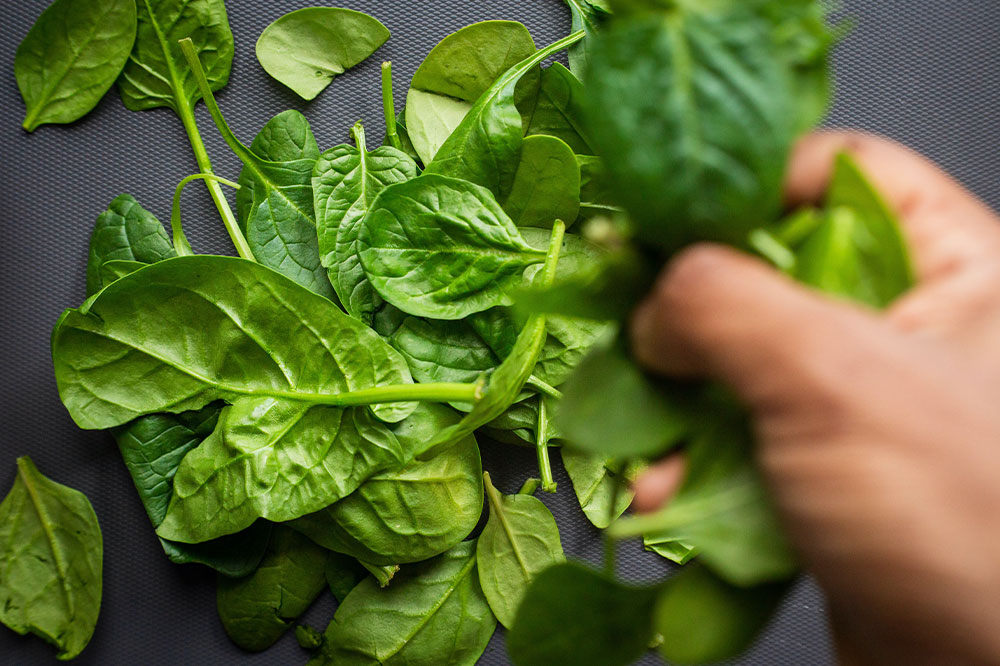
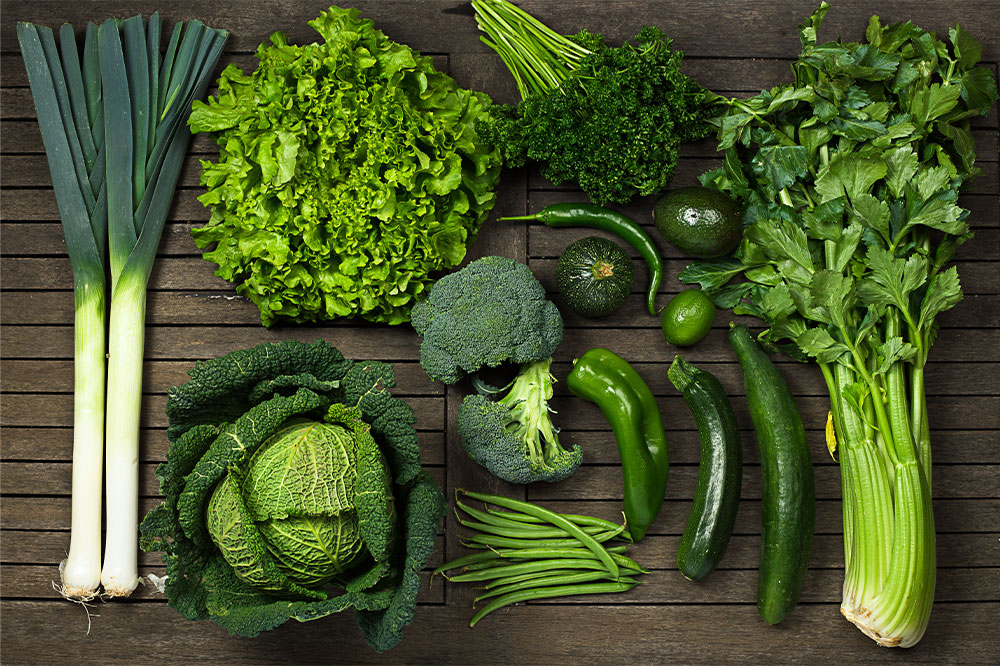
Vegetables like Chinese cabbage, bok choy, turnip greens, collard greens, and kale are rich in calcium. A cup of turnip greens provides 20 percent calcium and contains vitamin K, which can reduce the risk of osteoporosis.
- Grapefruit
Citrus fruits like grapefruit are rich sources of vitamin C, which can help prevent bone loss. A whole grapefruit has 88 milligrams of vitamin C, which is equivalent to the body’s daily requirement. Navel orange can also be a good substitute.
- Almonds and almond butter
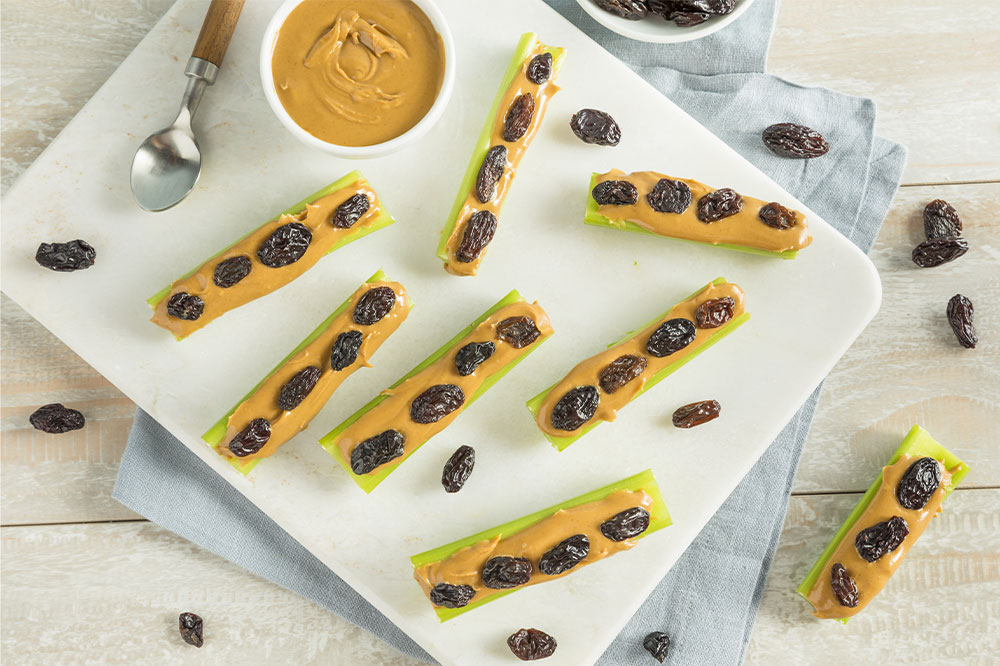
Almond butter can boost your body’s calcium intake. Only two tablespoons have 111 mg of calcium. Almonds also have protein, potassium, and other nutrients, which can help strengthen the bones. - Horsetail
It is a plant that contains silicon-like healing properties that help stimulate bone regeneration and slow bone loss. Holistic doctors recommend it as an alternative treatment for consumption with herbal compress, tincture, or tea.
Foods to avoid
- Salty foods
Eating foods with excessive sodium can cause loss of calcium and result in bone loss. Hence, curtail the intake of canned or processed foods. In addition, keep a check on the salt you eat with your foods every day.
- Legumes or beans
Beans are healthy for women with osteoporosis, but their phytates content is equally high. It can hamper the body’s ability to absorb calcium. To lower the phytates in beans, soak them for two to three hours in water before cooking.
- White bran
Bran also has a high phytate level, which intervenes with calcium absorption. However, 100% wheat bran is the only thing that can lower calcium absorption from other foods consumed with it.
Lifestyle changes
Here are some lifestyle changes and natural remedies to keep osteoporosis in check.
- Exercise
Exercise can slow bone loss and help build stronger bones. It works best if you start young and continue for the rest of your life. A mix of balance exercises, weight-bearing, and strength training exercises can have the best impact.
- Supplements
Soy, black cohosh, and red clover can also help promote bone health. But consult your pharmacist or doctor before you take these supplements. These may have side effects and interact with your ongoing treatments.
- Tai Chi
It is an ancient Chinese practice that lowers the risk of falling, especially as you age. Indulging in Tai Chi strengthens the core, lower body, and upper body. It also improves balance.
- Acupuncture
It is traditional Chinese practice wherein experts inject thin needles at strategic points in the body. It stimulates body functions to accelerate healing. Experts recommend acupuncture with herbal therapies.
If you are concerned about osteoporosis or have risk factors, request your healthcare provider for screening, even if you are not old enough. Osteoporosis can be severe, and fractures can threaten or alter your life. With the correct meal plan, exercise, and treatment, you can still live a fulfilling and active life with osteoporosis. You can work with your healthcare provider to devise a treatment plan that would work.