Hearing difficulties – Foods to avoid and lifestyle tips
According to the National Institute on Deafness and Other Communication Disorders, one in eight people nationwide aged 12 years or above suffer from hearing loss in both ears. Hearing loss is a significant health issue that must be addressed with proper treatment and infrastructure. In addition to leveraging cutting-edge technology to facilitate hearing, leading a healthy lifestyle and avoiding certain types of foods can contribute to a more functional life for individuals with hearing difficulties.
Foods to avoid with hearing difficulties
Red meat
Although a rich source of protein and iron, red meat is also high in saturated and trans fats, which can contribute to plaque generation in the arteries, restrict blood circulation, and trigger or worsen hearing impairment. It is a good idea to replace red meat with lean meat sources like chicken and turkey breast and venison.
Confectioneries
Store-bought confectioneries like cakes, cupcakes, biscuits, puddings, and pastries contain large quantities of sugar, refined flour, and carbohydrates, which can increase one’s glucose levels significantly. Elevated glucose levels can damage the blood vessels in the body and the nerves present in the upper ear, exacerbating hearing difficulties.
Salt
Salt in limited quantities is necessary for almost all preparations. However, excessive salt content in foods can elevate blood pressure and restrict proper blood circulation. Poor blood circulation is associated with hearing impairments like tinnitus (ringing noises in either or both ears). Therefore, people with hearing problems should limit foods with too much salt, including ready-made fries, chips, canned or curated meats, cold cuts, salted nuts, and salted popcorn.
Monosodium glutamate
Also known as MSG, this excitatory neurotransmitter is widely used in ready-to-eat, packaged foods and meals prepared at restaurants and is associated with hearing loss, tinnitus, and neurological damage. Thus, individuals with hearing problems should strictly limit or avoid eating from restaurants or out of packets; they must swap such foods with fresh, nutritious meals prepared at home.
Pickles
Pickled foods may be delectable accompaniments to food, but they are overloaded with salt and can cause an elevation in blood pressure, worsening hearing difficulties. It is advisable for persons with hearing loss to restrict or avoid pickles and replace them with healthier accompaniments, such as fresh, homemade salads, guacamole, or hummus.
Vegetable oils
Vegetable oils contain high concentrations of omega-6 fatty acids, which increase the production of vasoconstricting eicosanoids in the body and contribute to high levels of blood pressure. As a result, they are a no-no for those with hearing difficulties. It is best to replace vegetable oils with healthier alternatives such as canola oil or extra virgin olive oil.
Deep-fried foods
Deep-fried snacks like fritters, fries, onion rings, and donuts increase cholesterol levels and can lead to the accumulation of plaque in the arteries, restricting blood flow and causing hearing problems.
Caffeinated beverages
Excessive intake of caffeinated beverages like tea and coffee can cause fluctuations in blood pressure and contribute to tinnitus and other hearing conditions. However, limited quantities of tea and coffee can be beneficial for the body, as these beverages contain antioxidants and have a soothing effect. So, the key is to consume caffeinated beverages in moderation.
Artificial sweeteners
Artificial sweeteners like sucralose, aspartame, and saccharine can cause damage to the body in the long run and affect individuals with hearing difficulties. For example, sucralose refers to chlorinated sugar, which can increase the body’s calories with time, resulting in cholesterol and vulnerability to heart diseases. Such issues can worsen hearing impairments. Moreover, saccharine consumption is linked to an increase in body fat with time and aspartame is an excitatory neurotransmitter that can increase electrical activity in the brain and auditory cortex, destroying neurons and affecting hearing. It is best to replace artificial sweeteners and added sugar with natural sugar sources like fruits and fresh fruit juices.
High-fructose corn syrup
This sweetening substance is derived from cornstarch and contains high levels of fructose, even higher than the quantity found in sugar. Fructose causes a significant rise in abdominal fat and triglyceride levels in the blood, increasing one’s susceptibility to cholesterol and heart disease. Such problems can severely affect persons with hearing problems like tinnitus, worsening their condition. High-fructose corn syrup is found in foods like breakfast cereals, candies, canned foods, sweetened dairy products like flavored yogurt, and soft drinks. So, all such foods should be limited or avoided by those with hearing impairment.
Lifestyle tips for individuals with hearing difficulties
Stay physically active
Exercise works wonders for one’s heart health and is proven to lower blood pressure, which can help patients with hearing problems. So, it is advisable to work out for at least half an hour each day, incorporating workouts like aerobics, walking, jogging, cycling, and swimming into one’s workout routine.
Stay away from noisy environments
Noisy environments can trigger or aggravate hearing problems; therefore, it is best to stay away from such neighborhoods. It helps to move to quieter neighborhoods and choose workplaces with lesser noise levels or opt for remote work to avoid noise pollution.
Maintain a nutrient-rich meal plan
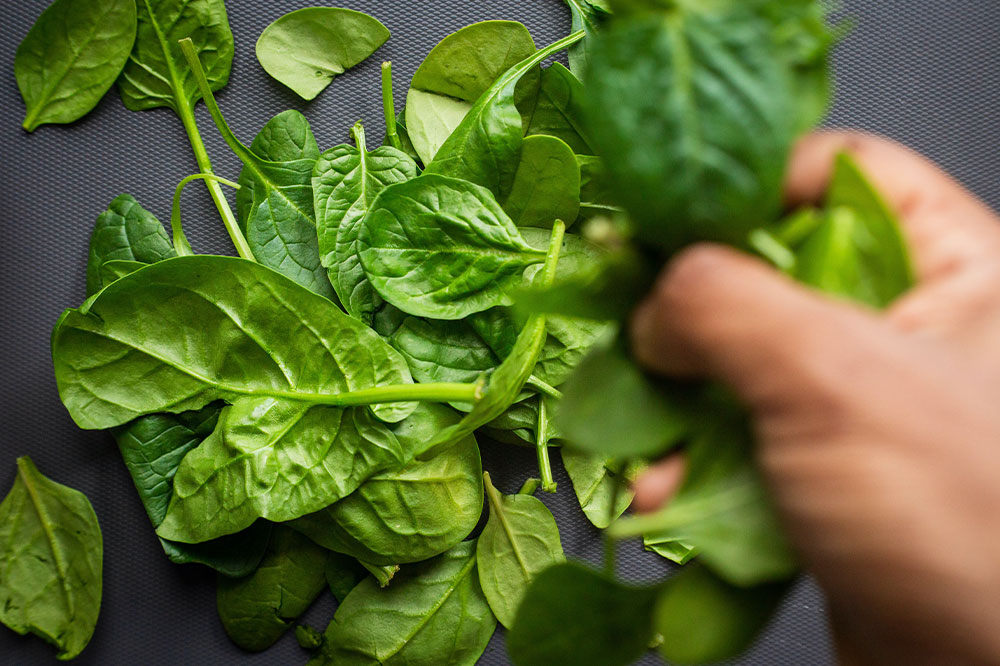
Nutrients like vitamins A, C, and E, magnesium, vitamin B12, and folic acid may help improve one’s hearing and manage symptoms of hearing conditions. One should include nutrient-dense foods like eggs, cantaloupes, grapefruit, carrots, citrus fruits, leafy greens, chickpeas, and kidney beans in one’s meal plan. Potassium and magnesium-rich foods like bananas, peanuts, rolled oats, soy, and lima beans can also help manage hearing problems.
Stay hydrated
Dehydration can cause several hearing-related issues, as the inner ear is filled with fluid, which majorly influences one’s hearing ability. Therefore, dehydration is associated with conditions like ringing in the ears and tinnitus. It is advisable to have at least 6-8-ounce glasses of water in a day to prevent dehydration.
Go for regular ear check-ups
It is imperative to visit an ENT specialist at regular intervals to have one’s ears professionally examined. Moreover, one should consult an ENT doctor before opting for any hearing intervention or treatment.