Healthy Foods to Manage Menstrual Cramps
About 80% of women worldwide suffer from menstrual cramps, also known as dysmenorrhea. Women can have period pain right from their teens and continue till menopause. However, in around 5 to 10% of women, menstrual cramps are painful enough to disrupt their daily lives.
These cramping pains are intense throbbing sensations in the lower abdomen experienced during the menstrual period. This pain can radiate to the thighs and the lower back as well.
The menstrual pain begins 1 to 3 days before the period starts, peaks on the second day of the menstrual cycle, and usually subsides after the third day.
Some women may also have headaches, nausea, loose stools, dizziness, and painful menstruation.
How to deal with menstrual cramps?
If the cramps are mild or moderately painful, certain home remedies can help relieve the pain. However, if it is debilitating and disrupts your daily life, you may need to see a doctor. For pain that is not too severe, there are some home remedies that you can try.
They include:
- Hot water bags
- Hot water bags or compresses applied to the lower back and abdomen can help soothe the period pain
- Exercise
- Some studies suggest that light exercises like yoga and mild cardio can reduce period cramps.
- Massage
- Massaging the abdomen and back gently can help lessen the ache.
In addition to home remedies, some foods can also help alleviate menstrual cramps.
Cruciferous and leafy vegetables
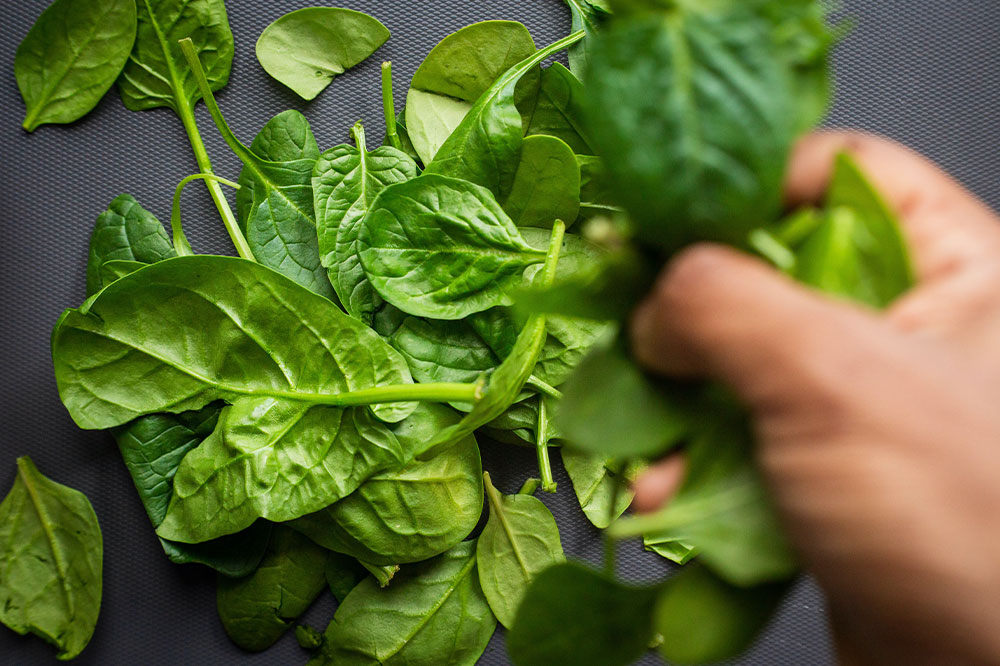
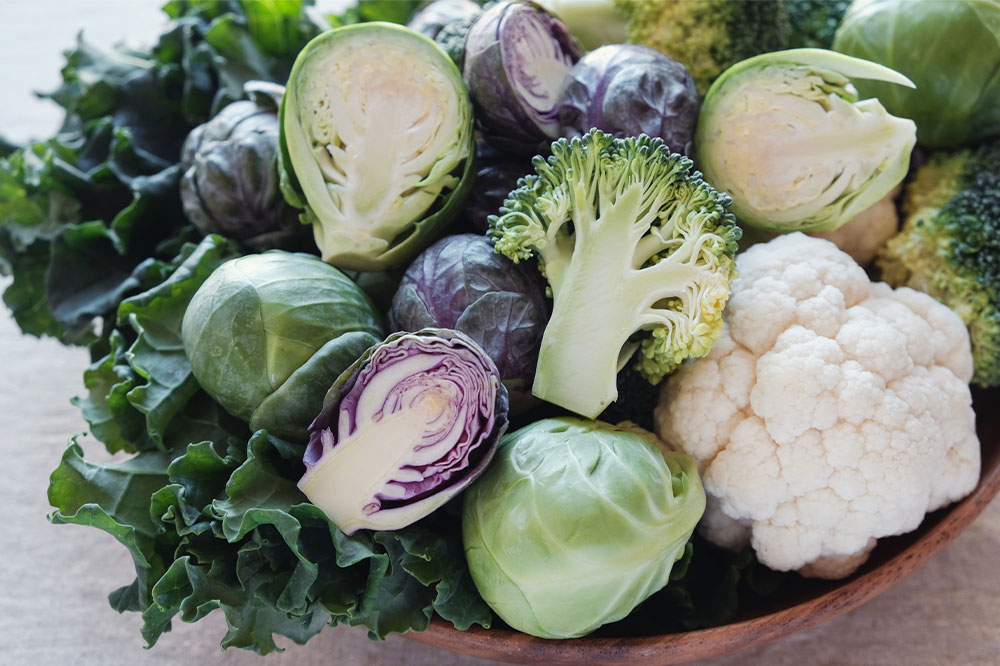
Cruciferous vegetables are from the plant genus Brassica, and they include kale, watercress, collard greens, brussels sprouts, cabbage, cauliflower, broccoli, arugula, etc. They are nutrient-rich and contain calcium, magnesium, fiber, carotenoids, folate, and vitamins E, C, and K. They help relieve period pain and have an anti-inflammatory effect on the body. Dark green leafy vegetables like spinach, mustard greens, lettuce, micro greens, etc., contain iron and help combat body pain, dizziness, and fatigue.
Fresh fruits
Fruits like bananas, pineapple , oranges, and watermelon can aid in reducing period cramps. Bananas contain magnesium, which lowers the intensity of menstrual pain. They also contain fiber, which can ease bowel movements. This makes you feel less bloated and relieves pain. Oranges contain vitamins C and D, magnesium, and potassium. These nutrients also help reduce pain. Watermelon keeps you hydrated and thus prevents bloating and constipation. It also has vitamin B6, which can reduce the severity of period cramps. Pineapple is packed with nutrients like copper, manganese, vitamin C, and B6, which help relax your muscles, thus lessening the intensity of your throbbing pain. It also contains a compound called bromelain which decreases spasms and relaxes muscles to alleviate menstrual cramps.
Ginger
Ginger can relieve pain and prevent inflammation. It thus helps prevent bloating and reduce menstrual cramps. Use ginger powder or peeled and minced fresh ginger and water to brew ginger tea. Add honey to sweeten it. Ginger tea can relieve your pain.
Turmeric
A compound named curcumin in turmeric works against period issues by preventing inflammation and alleviating cramps. Turmeric also helps your muscles relax so that you will not have painful uterine contractions. Add turmeric powder to your food or ginger tea.
Eggs
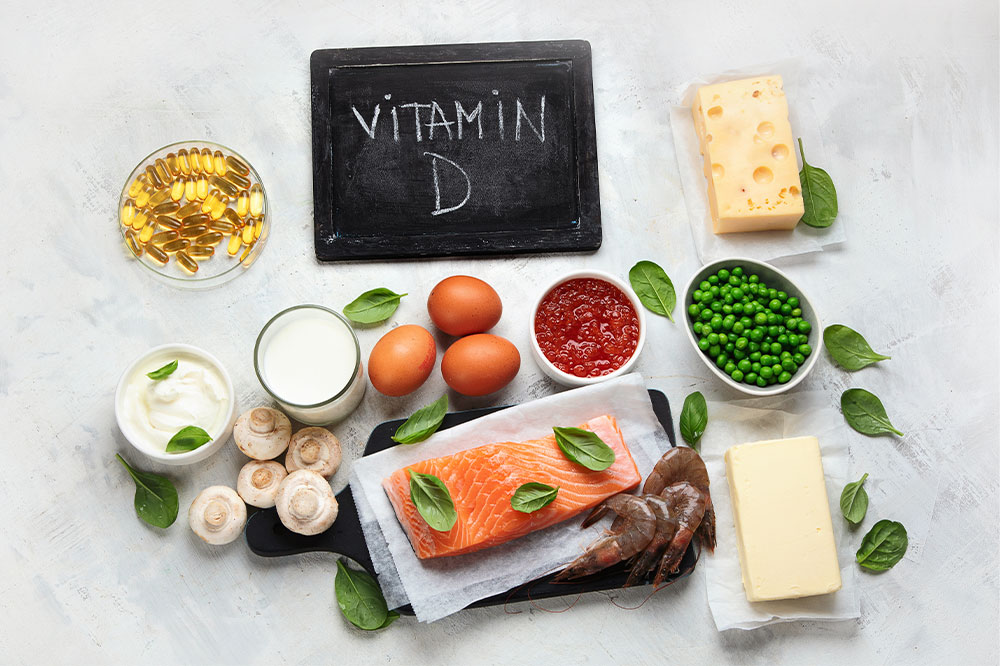
Eggs contain vitamins B6, B12, D, and E. Vitamin D regulates estrogen levels, thus alleviating many of the signs of premenstrual syndrome. They are also rich in protein, which is an added nutritional benefit. However, remember that moderation is the key. Too many eggs can cause gas and bloating.
Seeds and nuts
Seeds and nuts are good for your overall health and can also help alleviate period pain. Chia seeds and walnuts are rich in magnesium, while pumpkin and sunflower seeds are rich in zinc. In addition, flaxseeds contain both magnesium and zinc. Both these minerals help reduce menstrual cramps, thus reducing the throbbing pain.
Dark chocolate
If you crave chocolate during your period, here is some good news! Dark chocolate is good for you as it contains a high amount of magnesium that helps relax your muscles and reduces period cramps. Studies say that around 40 to 120 grams of dark chocolate a day can help alleviate your menstrual pain.
Fenugreek
Fenugreek contains alkaloids that act as pain relievers. The seeds also have anti-inflammatory properties. Studies show that including fenugreek in meals during your periods can reduce pain and inflammation, thus relieving the severity of menstrual cramps. Add some fenugreek seeds to boiling water, or add its powder to hot water and let it steep for a few minutes. Sweeten the mixture with half a teaspoon of honey and consume it. Capsules containing fenugreek powder are also available.
Cumin
Cumin has anti-spasmodic and anti-inflammatory properties. It has a relaxing effect, which further reduces backache, fatigue, and period cramps. Boil cumin seeds in water and drink the mixture to help relieve your period pain.
Chamomile
Have chamomile tea during your period to alleviate cramps. Studies show that it is anti-spasmodic and regulates dopamine and serotonin. Thus, it can relieve your period cramps and have a calming and sedative effect.
In addition to trying these foods, ensure you drink plenty of water during your periods. It is also recommended to avoid certain foods like fried foods, spicy and oily food, excessive red meat, caffeinated beverages, sugar-rich foods, and carbonated drinks. These foods can trigger pain, leading to inflammation and intense mood swings.
Period cramps are prevalent in menstruating women, but you don’t need to endure the pain if it becomes unbearable. You can always seek professional help if the home remedies are not doing anything better. Eating healthy foods and being physically active can reduce the severity of menstrual cramps to a large extent.