Guide to moving – Top 10 tips for a smooth move
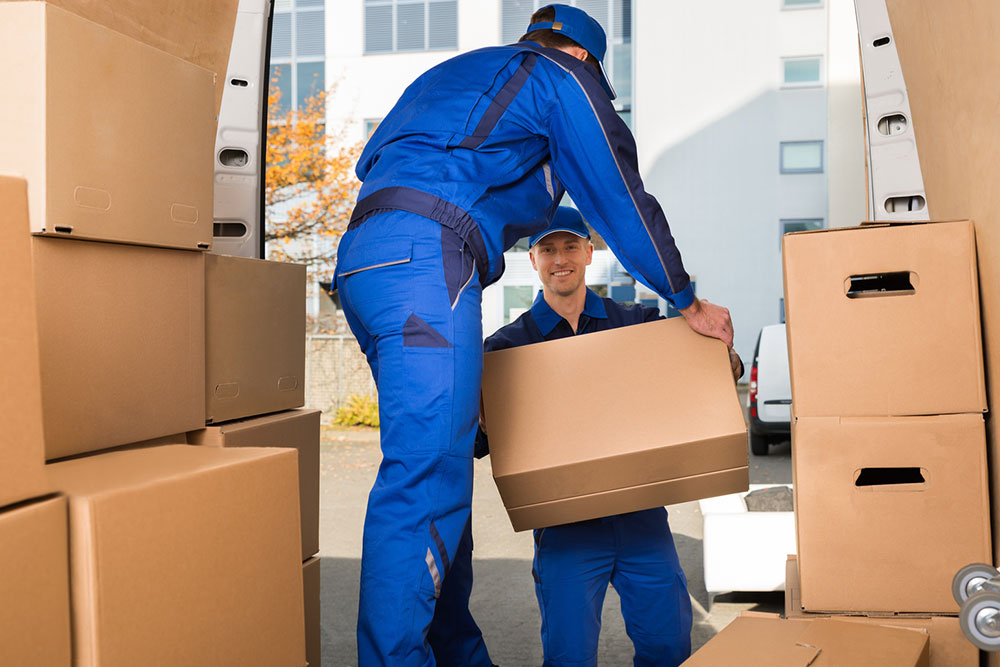
Moving homes can be an overwhelming task, especially for a family when there are so many belongings that need to be moved around safely. There are several things to check before this process, and there are some ways that can make this procedure a little less stressful. One should ensure hiring a trusted company for a seamless customer experience. On that note, here are some tips that can help with a smooth moving experience:
1. Make lists and label belongings
Lists are a big part of the moving process. This involves creating an inventory of things that have been put into boxes and also determining which boxes must be placed in which room. This can make placing them in the new place much more accessible. An inventory will also help in knowing if all the boxes have safely arrived at the new location, and if anything is missing, it can easily be pointed out.
Labeling helps understand which boxes contain what items. One can also assign specific color-coded labels to boxes that belong to the same category; for example, books can be inside boxes with blue sticky notes.
2. Plan early
Since packing and moving is an enormous task, it is usually recommended to start planning for it as early as possible. That way, it becomes easy to strategize, and packing can happen in bits and phases. When the planning is done in an organized manner, it also ensures that there are fewer mistakes made during the process. Also, it gives the homeowner enough time to decide whether they want to take everything with them or would like to donate or sell some of the things that they do not need in their new place of residence.
3. Consider giving away things
This is actually a major point to consider. Those who have a lot of things lying around the house should donate or give away stuff that they no longer use. It is also an excellent opportunity to start fresh with certain furniture or wardrobe items in the new house. So, one must take some time to think this through and make a checklist of things that are needed and that can be given away or sold. Things like extra utensils, furniture, and clothes can easily be given away or donated.
4. Have an essentials-only box
This is often something that gets easily missed during a moving procedure. It is unlikely that one will unpack all their belongings on the same day and put them in place at their new place. However, there may and will mostly be a need to get some pairs of clothes, essential documents, and some toiletries that will have to be unpacked on the first day itself. So it’s good to have a couple of boxes that carry one’s essential things.
5. Look up the new area
When someone is going to a new place, it is important to survey the area to be able to navigate the place easily. Check for some details, like whether any parking permits need to be obtained for when the transport vehicle needs to be parked. In some buildings, some people need to book the elevator to be able to move the stuff. Check with the building committee to see if any arrangements like this need to be made. One might need to know where the grocery shops, pharmacies, garages, and schools are. One should take a walk around the block to see what shops are available nearby and where one can get things they need.
6. Prepare for pets
Anyone who has pets will also need to do some extra care to be able to meet their needs. This includes checking out nearby pet stores, finding a veterinarian nearby, and any other things that are needed. Also, since packing day can be hectic, one can always speak to other pet parents or friends and family who can sit with the pets and take care of them temporarily.
7. Consider hiring professional movers
Hiring professional packers and movers may help a lot if there is a lot of stuff that needs to be taken care of. These professionals have the experience needed for such a big move and come with their procedure, which is tried and tested. This also means that they already have checklists in place, which takes a huge burden off of customers when it comes to planning and packing things. In such a scenario, it is recommended that there still be an essentials box that the homeowner can pack for themselves. Also, one should look at moving companies that are licensed and insured so that, in case of any mishap, the customer does not have to bear the brunt of the cost involved.
8. Update documents with the current address
One of the biggest things involving moving houses includes paperwork. This means updating all the addresses at all the mailing offices. Utility companies, post offices, banks, and other entities need to be informed about the new place of residence. This is especially important to take note of because there are rising cases of identity theft, so banks, schools, and other organizations should know one’s updated information.
9. Notify friends and family
Let close ones know about the move. This is so that the inner circle can be aware of the change of residence and can also plan to help when necessary. A short-notice favor may or may not work out for everyone, so always give everyone plenty of time to adjust and plan.
10. Pack kitchen appliances the last
Chances are that one may still need to use some utensils, bowls, and other daily items needed for meals. So packing the kitchen last makes sense that way. Start packing the kitchen a few days before moving, and ensure to have a few bowls and utensils handy when one needs to cook.
Since moving houses is a big deal, involve close family and friends to help with this process. It can also be an emotional process for many if they move out of a home they have lived in for several years.