Guide to easy-access walk-in showers for seniors and people with disabilities
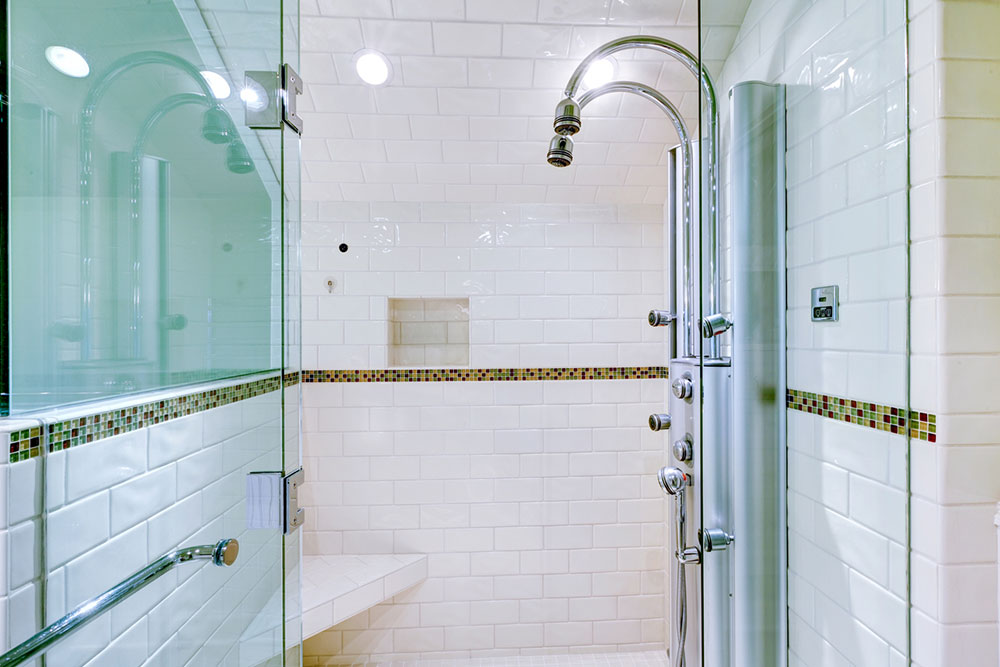
Although showers are meant for relaxation, they can become safety hazards for seniors and people with disabilities. Traditional showers usually have raised edges and are enclosed with glass panels, making them difficult to use. Thankfully, innovative solutions exist! Easy-access walk-in showers eliminate the hurdles of traditional showers, making them suitable for seniors and those with disabilities. These showers increase independence and confidence and also improve the bathroom’s appearance to a great extent.
Features of easy-access walk-in showers
Several key features contribute to the functionality and safety of easy-access walk-in showers.
Low-profile threshold or level entry
As mentioned, easy-access walk-in showers have a low threshold or a completely level entry point. Unlike traditional showers, one does not have to climb over a raised edge, which minimizes the risk of falls and ensures a smooth transition into the bathing area.
Slip-resistant flooring
Textured or slip-resistant flooring helps one take secure steps within the shower, reducing the chance of slipping while bathing. It is an essential safety feature in easy-access walk-in showers, which makes them stand out.
Grab bars
Strategically placed grab bars offer additional support when entering, exiting, or maneuvering within the shower. They are securely mounted at appropriate heights to ensure one can use them whenever needed.
Shower seats
Built-in shower seats provide a safe and comfortable place to sit while bathing. These seats are excellent for individuals who cannot stand for long .
Handheld showerheads
Handheld showerheads let users adjust the water flow and direction for a more comfortable experience. For extra convenience, one can use them while seated on the shower seat.
Thermostatic controls
Thermostatic controls help maintain consistent water temperature, preventing accidental scalding. They are an important safety feature in easy-access walk-in showers for seniors and those with disabilities.
Benefits of easy-access walk-in showers
Easy-access walk-in showers eliminate the need to step over a high curb, a significant obstacle for those with limited mobility. This design change significantly reduces the risk of falls, making users feel more confident and independent during bathing routines.
Increased accessibility
Walk-in showers are designed specifically to be accessible, eliminating the barriers that traditional showers present. They accommodate wheelchairs and other mobility aids, ensuring a comfortable and accessible bathing experience.
Improved maneuverability
Unlike cramped traditional showers, easy-access walk-in showers allow for greater freedom of movement within the bathing area.
Enhanced comfort
Many walk-in showers have grab bars for additional support while maneuvering the space. They also have built-in seating, which provides a more relaxed showering area. These features make bathing easier for seniors and people with disabilities.
Easier cleaning
The streamlined design of walk-in showers, with fewer crevices and corners, makes cleaning a breeze. Caregivers, and sometimes even individuals with limited mobility, may be able to maintain the shower.
Considerations when choosing an easy-access walk-in shower
Besides looking for features like grab bars and thermostatic controls, one should keep a few things in mind when choosing an easy-access walk-in shower.
Shower size
The shower should be large enough to accommodate the user and let them move easily within the space. A shower area that is too small can make the individual feel cramped and lead to inconvenience.
Door options
While sliding glass doors offer a space-saving solution, outward swinging doors are better for wheelchair users. When selecting the door option for the easy-access walk-in shower, one should consider the individual’s accessibility needs.
Customization options
Many manufacturers offer customizable shower components, such as grab bars and seating, to cater to individual needs and preferences. Although customization may cost a little more, it benefits people with limited mobility who use easy-access walk-in showers.
Material and finish
Walk-in showers are available in various materials, such as acrylic, tile, or stone. When selecting, one should consider factors like durability, ease of cleaning, and aesthetic appeal. Acrylic is cost-effective and lightweight, while tile provides a more luxurious and customizable look. Stone showers offer a high-end feel but require extra care and expert installation.
Cost of easy-access walk-in showers
The final price of an easy-access walk-in shower depends on several key factors.
Shower dimensions
A smaller, prefabricated shower stall with a low-profile threshold and basic features can cost between $1,500 and $3,000, while a larger, custom-designed shower can cost $7,500 or more.
Material selection
Acrylic inserts are budget-friendly, typically ranging from $500 to $2,000. For a more luxurious look and feel, tile showers can cost between $2 to $17 per sq. ft., with intricate designs or specialty tiles pushing the price even higher. Stone showers, while offering unmatched aesthetics, are the most expensive option, often ranging between $40 and $65 per sq. ft.
Featured amenities
Additional features like built-in showerheads, multiple grab bars, or a shower seat will increase the overall cost. One can expect to pay $75 to $1,900 extra for these add-ons. Luxury amenities like rainfall showerheads, multiple body sprays, and a built-in bench can cost even more.
These are only the estimated costs to give individuals an idea about how much they would have to invest. Those looking for an easy-access walk-in shower can visit manufacturers’ websites or nearby stores to find the exact prices. Although these showers may be more expensive than traditional ones, they make bathing safer and more enjoyable for seniors and people with mobility issues.