Foods That are High in Potassium
Potassium is the third most abundantly found mineral in the human body. It is an essential microelement needed to maintain normal fluid levels inside the cells. It plays an important role in the function of the heart, nerves, kidneys, and muscles. Additionally, potassium helps regulate muscle contractions and send nerve signals. Low and high potassium levels can adversely affect an individual’s overall health. As the body does not produce potassium, it can be obtained from foods.
Health benefits and recommended intake
Potassium has several health benefits, and these include:
- It is required for managing blood pressure and maintaining good cardiovascular health.
- It helps in maintaining bone density and muscle mass.
- It improves kidney function as it prevents the formation of kidney stones.
The recommended dietary intake (RDI) of potassium is 3500 mg/day to 4700 mg/day for healthy adults.
Potassium-containing foods to include in regular meals
Avocados
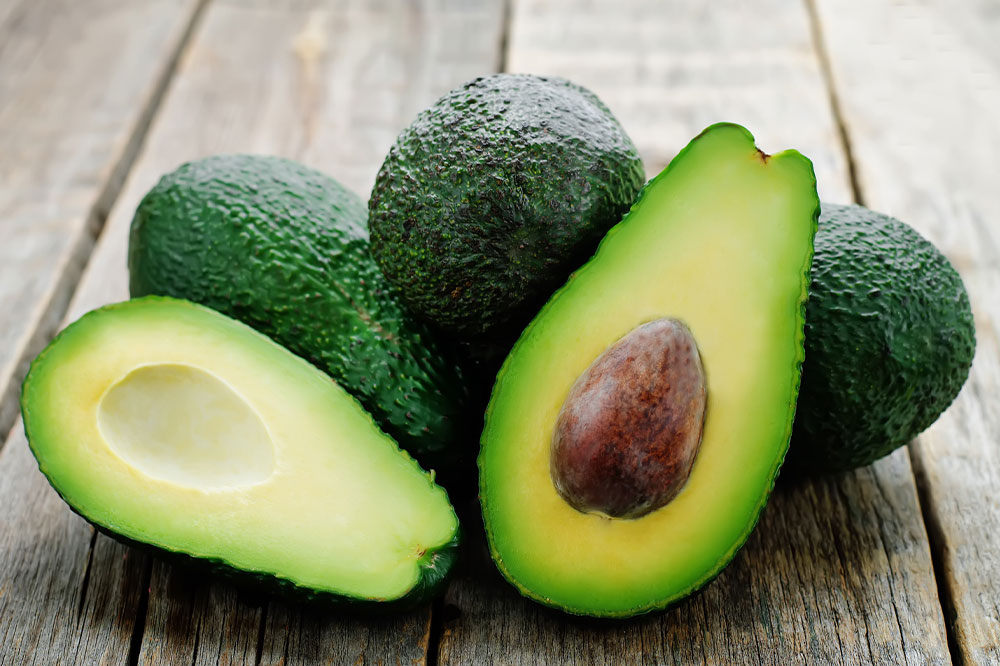
A whole Avocado without its seed and skin can provide you with 16% of the daily RDI of potassium. It contains around 690 mg of the mineral. Avocados are also rich in vitamin K, folate, and healthy fats. They are good for people who have high blood pressure as they are low in sodium. The potassium content in avocados can help replenish the electrolyte lost through sweating.
Pomegranate
One medium-sized whole fruit gives you 666 mg of potassium, which is 14% of the daily RDI of this mineral. This is 200 mg more than that found in a banana. Pomegranates are rich in protein, folate, and vitamins C and K.
Bananas
A medium-sized banana can give you 9% of the recommended daily value of potassium ie; 450 mg. They also contain vitamin C and iron. This is a good combination as vitamin C helps absorb iron in your body. A healthy person can have a maximum of 7 medium-sized bananas a day.
Potatoes
They are rich in carbohydrates, vitamin C, vitamin B6, potassium, and manganese. One medium potato weighing around 165g, when boiled and eaten, can provide you with 16% of the RDI of potassium. People who are on a kidney-friendly meal routine should opt for only boiled or soaked potatoes because these are very high in potassium which is not good for the organ’s health.
Beetroots
They are an excellent source of manganese, potassium, folate, and vitamins C and A. One cup of boiled beetroot gives you 11% of the daily value of potassium that you require. It also helps to control your hypertension by lowering the effects of sodium. Increased intake of potassium aids in the elimination of excess sodium through urine.
Tomato Paste
Tomato paste is made by cooking peeled, seeded tomatoes. Around three tablespoons of the paste contain over 10% of the daily RDI of potassium. Tomatoes are also a great source of lycopene, and vitamin C. Lycopene is an antioxidant known for its anti-cancer properties. Sun-dried tomatoes provide more potassium than fresh ones, tomato juice, and paste.
Legumes
Legumes include beans, peanuts, chickpeas, soybeans, and lentils. These food options have a high potassium content. A one-cup serving of lentils (around 200g) contains around 15% of the daily RDI of potassium, while peanuts and soybeans provide 23% and 19% of the daily needed value.
Coconut water
Coconut water has many health benefits. It contains vital electrolytes that help draw fluid into your body’s cells. One glass of coconut water (around 250g) contains 13% of the daily RDI of potassium. It is also an excellent source of manganese, sodium, and magnesium.
Watermelon
Watermelons have both high potassium and water content. They are also a good source of vitamins A and C, and magnesium. Around 572g of watermelon gives you 14% of your daily value of potassium. This is just 1/8 th of a medium-sized melon.
Spinach
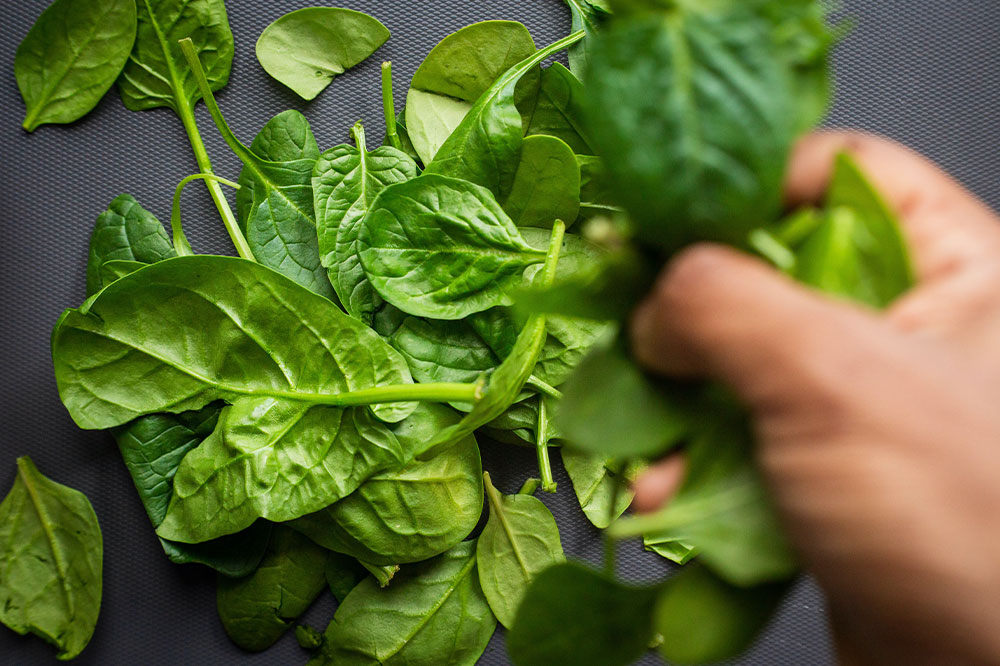
Spinach contains numerous nutrients, including Vitamins A, B6, C, and K, folate, iron, calcium, magnesium, and potassium. One cup (190g) of spinach contains 12% of the daily RDI of potassium. Both fresh and cooked leaves can provide you with enough quantity of this mineral.
Swiss chard
Swiss chard is a green leafy vegetable that is closely related to beets. It is a nutrient-dense vegetable and is rich in potassium, magnesium, manganese, copper, iron, calcium, dietary fiber, and vitamins A, C, E, and K. A cup of cooked leaves (175g) contains 20% of the daily RDI of potassium.
Dried apricots
Apricot contains several nutrients like vitamins A, B5, C, and E, potassium, zinc, copper, iron, phosphorus, magnesium, manganese, fiber, lycopene, beta-carotene, and zeaxanthin. Half a cup of dried apricots (65g) provides you with 16% of the daily value of potassium. You can also eat fresh apricots. The dried form is usually recommended because it is also richer in fiber and antioxidants than fresh apricots.
When the body has low potassium levels, the condition is known as hypokalemia. Causes of this condition include kidney disease, diabetes, excessive use of laxatives and diuretics, diarrhea, certain antibiotics, excessive sweating, and folic acid deficiency. Symptoms of hypokalemia include muscle twitches and cramps, low blood pressure, excessive urination and thirst, arrhythmia, and light-headedness. When there is excess potassium in the body, the condition is called hyperkalemia. The symptoms of the condition include abdominal and chest pain, muscle weakness, vomiting, diarrhea, and heart palpitations.
To avoid these conditions and lead a healthy life, ensure that your daily meal plans include fresh fruits, vegetables, fish, eggs, seeds, and nuts that are rich in potassium. If you have any underlying health condition, consult a licensed nutritionist for a recommended meal plan.