Emotional support animals – Benefits and things to consider
With heightened stress and emotional strain becoming increasingly common today, the role of emotional support animals in promoting mental well-being has gained significant recognition. These remarkable companions offer many benefits, including offering comfort and support to those facing emotional and psychological challenges or dealing with a disorder. If one is planning to get an emotional support animal, here are a few benefits and things to consider before making a decision:
What are emotional support animals?
ESAs differ slightly from pets in that they are prescribed by mental health professionals to provide comfort and assistance to those with diagnosed mental health conditions. ESAs have legal recognition and protections under certain laws and are chosen for their ability to offer emotional support, while pets are primarily chosen as companions based on personal preferences. Some popular ESAs are alpacas, dogs, cats, birds, llamas, sheep, goats, horses, rabbits, chickens, and pigs, with dogs being the most common ESAs. To find an emotional support animal, one can start by consulting with a mental health professional or therapist. They can offer guidance regarding the process and determine if one qualifies for getting an ESA.
ESAs versus service animals
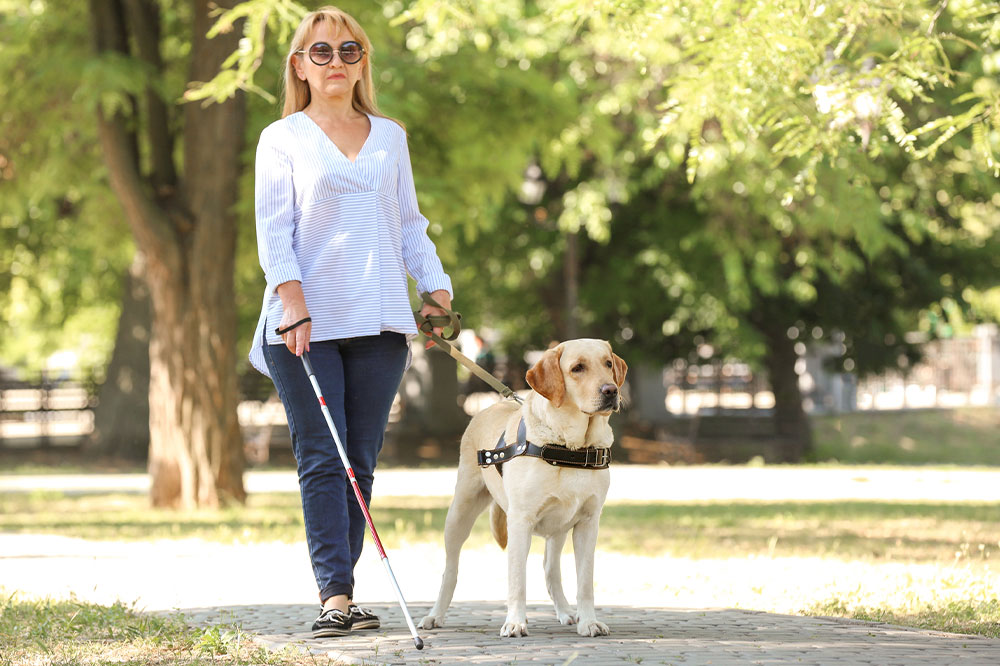
ESAs are not trained to perform specific tasks. They are also protected under the Fair Housing Act. Service animals, on the other hand, are trained to perform specific tasks or work directly related to a person’s disability. They have broader legal protections under the Americans with Disabilities Act.
Does a pet qualify as an ESA?
While many pets offer emotional support to their owners, they may automatically qualify as ESAs without the proper documentation and recommendation from a mental health professional. Any breed or animal can be considered an ESA if it meets the legal guidelines.
Benefits of having ESAs
Introducing purpose and responsibility: An emotional support animal can be beneficial for those struggling with mental health. Caring for them, grooming them, and feeding them will bring a sense of purpose and responsibility and a sense of fulfillment.
Offering emotional stability and support: Emotional support animals provide unwavering companionship and unconditional love. Their presence is known to bring a calming effect, which can create a sense of comfort, grounding, and reassurance during times of emotional distress.
Stress reduction and relaxation: Petting an animal releases oxytocin, a hormone associated with bonding and stress reduction. So spending time with an ESA can lead to stress relief and relaxation.
Enhanced social interaction: Emotional support animals can facilitate social interaction by serving as conversation starters and helping reduce feelings of loneliness and isolation.
Mood elevation and increased happiness: The companionship of playful and affectionate animals can trigger feel-good hormones in individuals and instantly uplift their mood.
Increased physical activity: ESAs often require exercise and outdoor activities, which can inadvertently promote physical activity for their owners. Physical activity, in turn, releases endorphins, reduces stress, improves sleep, and enhances one’s overall physical health.
Access to ESA certificate perks: In most cases, an ESA certificate can give one access to places or travel spots where pets are usually not allowed. One may also enjoy exemptions from any regular pet entry charges when outdoors. People with ESA certificates may also be allowed to keep the animals in rental housing or educational institutes where pets are usually banned.
Things to consider
Getting an emotional support animal can be a transformative and enriching experience, but it comes with a few responsibilities and rules. So, here are some things to consider before getting one:
ESA letter from a doctor: To be able to access the benefits of having an emotional support animal, one may need to obtain an ESA letter from a qualified mental health professional, which verifies the need for the same.
Responsibility: One may have to consider all additional costs that come with an ESA, from housing to nutrition and veterinary care. An ESA owner bears the responsibility of ensuring the behavior and well-being of the animal by giving it enough exercise, food, and mental stimulation. One will have to prioritize the animal’s health and happiness, keep up with vaccinations, and address any medical or behavioral issues promptly.
Willingness to adapt: Getting an ESA requires a few changes to lifestyle. One will have to consider how the animal will fit into their daily routine and activities and assess the readiness for such adjustment. One should also remember that ESAs require patience and time to adjust to their new surroundings. So, one should assess if they will be able to provide the time, attention, and care an ESA requires.
Housing and travel considerations: Those who travel frequently need to know travel regulations pertaining to ESAs. Similarly, one needs to take into account their housing situation and get a pet in accordance with the space.
Scope of commitment: It is important to assess the ability to provide consistent care, attention, and veterinary needs throughout the animal’s lifetime, which can be a huge commitment.
Compatibility: Some people may find comfort in dogs, while others may prefer the companionship of cats or the soothing presence of birds. One can choose the type of animal they naturally connect with and find comforting. Apart from that, one should also consider any active allergies and sensitivities before opting for an ESA.
Temperament and energy level: The temperament and energy level of an ESA are crucial considerations. For example, horses or some dogs are energetic and playful, so they are more suitable for those who lead an active lifestyle and enjoy outdoor activities. Similarly, a cat or a small animal may be more suitable for those who prefer a calmer and more relaxed environment.
Training and socialization: While ESAs do not require the same level of specialized training as service animals, basic obedience training is beneficial. A well-trained animal is more likely to create a harmonious and stress-free environment.
By being well-informed and prepared for the responsibility, one can get companionship and support to enhance their emotional well-being with an emotional support animal.