Don’t Ignore These 9 Warning Signs of Headaches
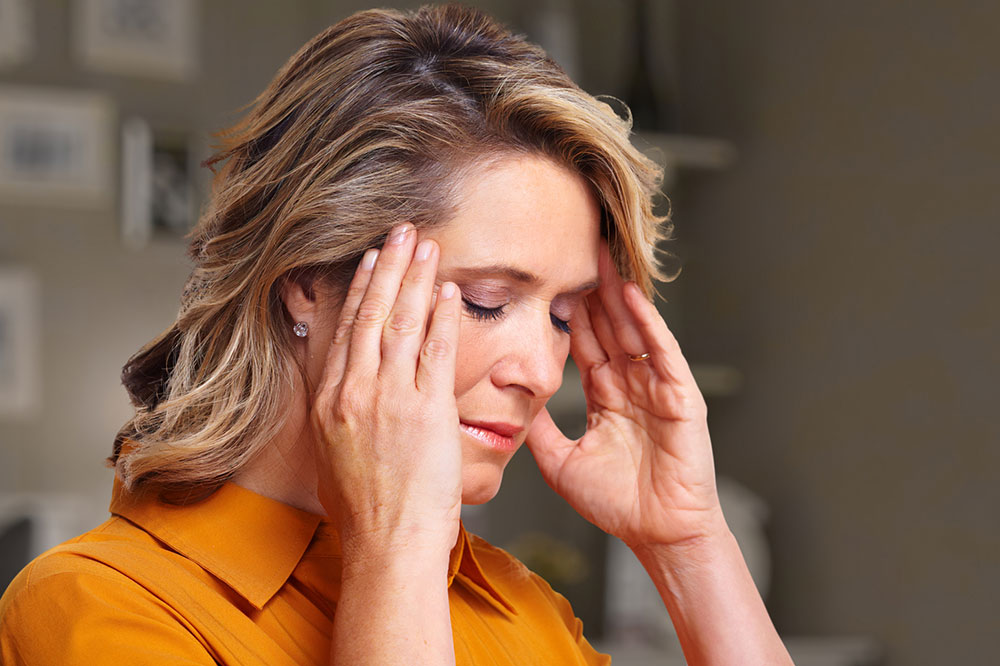
Headaches are a common type of body discomfort resulting from nervous system disorders. It is a pain in any part of your head that gives a pulsating sensation. The magnitude of the pain can vary from mild to sharp and can either be a throbbing sensation or a constant feeling. There are several kinds of headaches, including tension headaches, migraine, cluster headaches, and more. Of these, migraine symptoms vary from the other headache types.
Warning signs of headaches
Though it may appear normal, frequent head pains may also indicate any underlying health condition, so it is necessary to keep a check on them. Keep reading to learn more about warning signs of headaches that must be addressed soon.
Pain and high fever
A headache accompanied by pain may indicate an infection. If there is a stiff neck, a high fever, and various neurological signs, doctors may diagnose it as Meningitis, a severe health condition. When a person experiences these symptoms, it is advised to consult a physician at the earliest for prompt treatment. Also, self-diagnosis is not safe and advised if you are experiencing headaches for a very long time or suffering from severe pain.
Sudden severe headache
It is also recognized as the thunderclap headache, appearing suddenly and turning severe soon. Sometimes, the pain is triggered by physical or mental exertion, and there will be an indication of the brain’s ruptured blood vessel, known as an aneurysm. The other signs may include stiffness of the neck. Therefore, it is advisable to consult a healthcare provider as it may indicate an underlying health condition. Sometimes, it may also be considered a stroke symptom if combined with other symptoms like confusion, weakness on one side, and speaking problems.
Mood changes and intense headache
An intense headache on one side of the head is called a migraine. Migraine pain can be distinguished from a regular headache as it is usually accompanied by a severe throbbing sensation on one side of the head. The pain may slowly spread to the neck or face. Other secondary signs of migraines are mood changes, vomiting or nausea, neck pain, sleep problems, and hypersensitivity to sound, light, and scent. For at-home remedies, you can check online for migraine relief methods, but it is advised to consult a healthcare expert to take treatment to get permanent relief.
Sleep issues
As mentioned earlier, the signs and symptoms of migraines may be paired with sleep issues. Individuals suffering from migraines may have problems falling asleep or feel exhausted being awake. As a result of these sleep disorders, some people may have insomnia and may not be able to get adequate sleep. Nowadays, one can access telehealth facilities to get an online doctor’s prescription for migraine.
Face or tooth discomfort
If the pain is in the face and feels like an electric shock, it may be a sign of the nerve condition known as trigeminal neuralgia. This pain gets triggered while brushing the teeth, washing the face, and chewing. Initially, one may feel pain in the tooth and tend to visit the dentist, assuming it is a toothache. But it may also indicate another health condition, so proper diagnosis, and treatment are necessary.
Vision problems
If the pain surrounds one eye and is followed by eyesight problems, it may be a sign of acute glaucoma, also known as closed-angle glaucoma. In this condition, there is a sudden formation of fluid or pressure in the eye that may lead to damage to the optic nerve. It should be considered an emergency as it can even lead to complete vision loss. Therefore, getting prompt help from an opthalmologist is necessary to maintain eye health and manage this severe condition.
Aura
Right before or during a migraine episode, the person might suffer from the aura, which happens in around 30% of migraine cases. People with migraine aura might experience various visual symptoms such as blind spots, zigzag lines, and flashing lights. About one-third of people who get migraines may experience auras. It is also accompanied by various hearing issues like tinnitus – a ringing sound in one or both ears.
Scalp or temple area tenderness
It usually happens in people who are above fifty. They experience pain along with tenderness in the scalp or temple area. Jaw pain at the time of chewing is also a common sign. These may be the symptoms of vascular inflammation, and there is a probability of a condition known as giant cell arteritis. People with this health condition may experience pain on one side of the head or in the eyes. Sometimes, this disease, if left untreated, may lead to loss of vision, an aneurysm, or a stroke.
Neurological signs and symptoms
It is a significant cause of concern if a person experiences various neurological signs and symptoms while dealing with headaches. It includes memory issues, muscle weakness, confusion, seizures, numbness, and difficulty speaking. All these warning signs indicate a malfunction inside the brain, such as tumor growth or inflammation. It necessitates consulting a health expert immediately to receive a proper diagnosis and timely treatment.
A headache may indicate a stressed mind or even a severe health condition. Proper diagnosis has to be carried out to rule out any chronic illness, and one should strictly follow the treatment plans suggested by doctors to get relief from headaches. If left untreated for a long time, headaches can grow from moderate to severe. Furthermore, seeking a doctor’s advice is necessary if the headache episodes happen frequently. Without timely intervention, headaches can interfere with a person’s daily activities and affect productivity.