Common mistakes to avoid while grooming one’s beard
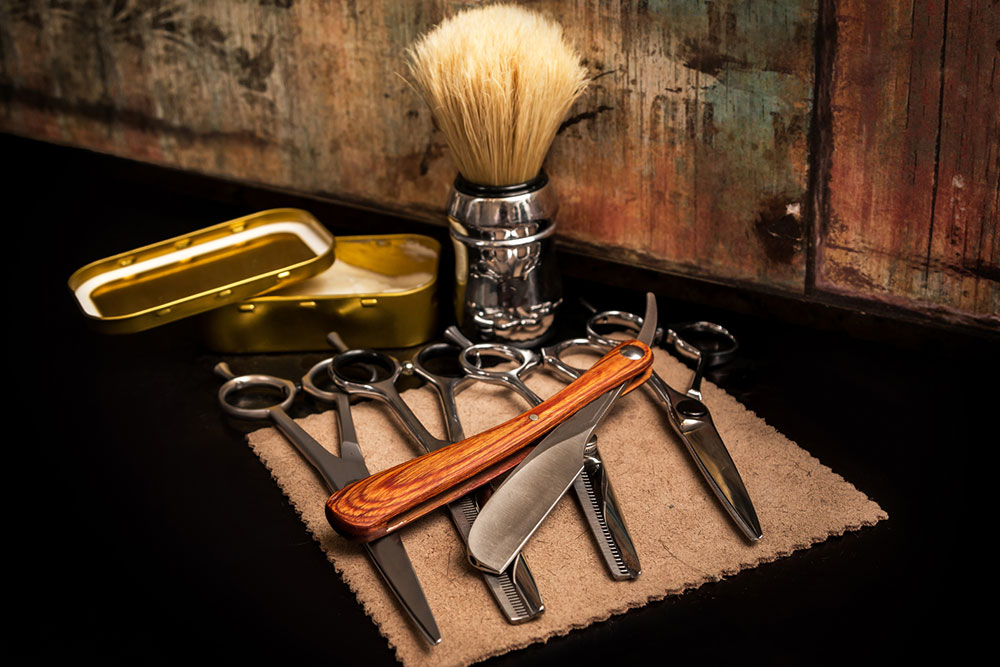
While beards have recently regained popularity, their significance has been recognized since prehistoric times. For example, ancient Greeks considered beards to be signs of wisdom and virility. They were also grown to provide warmth, and protection – particularly the mouth and lips – from harmful external agents. Today, beard grooming has become a breeze with the availability of kits and products. Here are some beard grooming mistakes to avoid for a well-maintained, debonair look:
Not washing the beard and mustache before trimming
Washing one’s beard and mustache before one starts trimming them ensures that the facial hair is well-hydrated, making it easier to cut. This process also gives one an idea of how the beard or stubble will appear once trimmed. Therefore, it is recommended to wash and dry one’s beard before trimming it.
Overlooking the importance of a beard shampoo
Since the beard surrounds one’s mouth, food particles can get stuck in it. It can also become a breeding point for natural oils and external pollutants, causing the accumulation of bacteria. A beard shampoo can help dislodge accumulated particles and ensure adequate personal hygiene. It is ideal to wash one’s beard once or twice a week and up to thrice a week for dry and oily skin, respectively. Finally, it is important to wash one’s beard with a beard shampoo to maintain the hair.
Using a hair shampoo for the beard
Contrary to popular belief, a hair shampoo should be used exclusively for the scalp hair and not for facial hair. This is because while a hair shampoo strips the hair off its natural oils and replaces them with the oils it contains, a beard shampoo retains the hair’s natural oils and nourishes it further with its constituents. It also helps enhance the beard’s smell.
Not detangling knots while combing
It is important to comb one’s beard and detangle its knots, preferably using a beard brush. This process is particularly essential before trimming one’s beard, as it helps prevent ingrown hair, enhances its look and style, and enables the uniform distribution of beard oil and balm.
Using a hair dryer on the beard
It is important to avoid applying heat on one’s beard after a shower, as it can stunt beard growth and contribute to the development of patches. Typically, even beard grooming products may not be as effective once it is damaged by heat. Thus, the better alternative is to use a soft, dry towel to dry out one’s beard after showering or washing one’s face.
Using substandard-quality products
It is important to avoid compromising on quality for cost when it comes to self-grooming products. The best bet to groom one’s beard and mustache optimally is to use good-quality oils, shampoos, conditioners, brushes, trimmers, combs, and razors that are gentle and do not cause skin irritation.
Ignoring the neckline
The beard’s neckline facilitates a neat and tidy appearance and makes the beard appear thicker and longer. Thus, ideally, the beard neckline should extend close to the Adam’s apple, below one’s chin.
Over-brushing the beard
Just like brushing the beard occasionally can cause tangles, over-brushing can cause hair loss in the long run and exert pressure on the skin. Hence, one should brush one’s beard frequently but not excessively.
Not using beard oil or balm
Beard oils and balms can help groom one’s beard in various ways, from facilitating better hair growth to keeping the skin hydrated, sealing the moisture, and preventing split ends. Moreover, many beard oils and balms have invigorating scents, which can significantly enhance the smell of one’s beard.
Using excessive quantities of beard oil or balm
Although beard oils and balms play a crucial role in beard grooming, using too many of these products can cause the accumulation of bacteria and trigger skin inflammation, including acne and follicle infections. Typically, the quantity of beard oil to use depends on the length of one’s beard. Approximately 2-3 drops of beard oil suffice for beards shorter than an inch, while 1-3 inches of beard requires up to six drops of oil daily, and so on.
Overlooking sideburns
It is important to pay attention to the point where one’s sideburns end and the beard begins. Ideally, one’s sideburns and beard should connect seamlessly to enhance one’s overall bearded look. A good tip for enhancing one’s post-trim look is to keep the length of the sideburns lower than the top of one’s ear.
Trimming too frequently or not trimming at all
Trimming one’s beard too often can prevent it from growing well and might ruin one’s bearded look. At the same time, not trimming it over extended periods can cause it to become unruly. Hence, the trick is to trim one’s beard roughly once every month or more frequently if one wishes to maintain it shorter.
Not caring for the beard-grooming tools
Beard-grooming tools should be cared for just as much as the beard. For example, razors should be washed and dried well before use, and the blades should be changed after every 5-7 shaves. Similarly, beard combs and brushes should be washed and allowed to dry before use. One should also promptly discard broken or damaged razors, clippers, combs, etc.
Not caring for one’s body
While external grooming is necessary for healthy beard growth and an elegant look, not caring for one’s overall health and well-being can counter the benefits of these activities. Thus, one should ensure that one has nutrient-rich foods every day, at least seven hours of sleep every night, and manage stress levels adequately to facilitate proper facial hair growth.
Not checking the skin under the beard frequently
Shaving and grooming may sometimes cause cuts and rashes, and excessive beard oil and balm application may trigger acne and inflammation. Thus, it is important to check the skin under the beard frequently for such developments and devise ways to resolve them.