Common Foods that Cause Tooth Decay
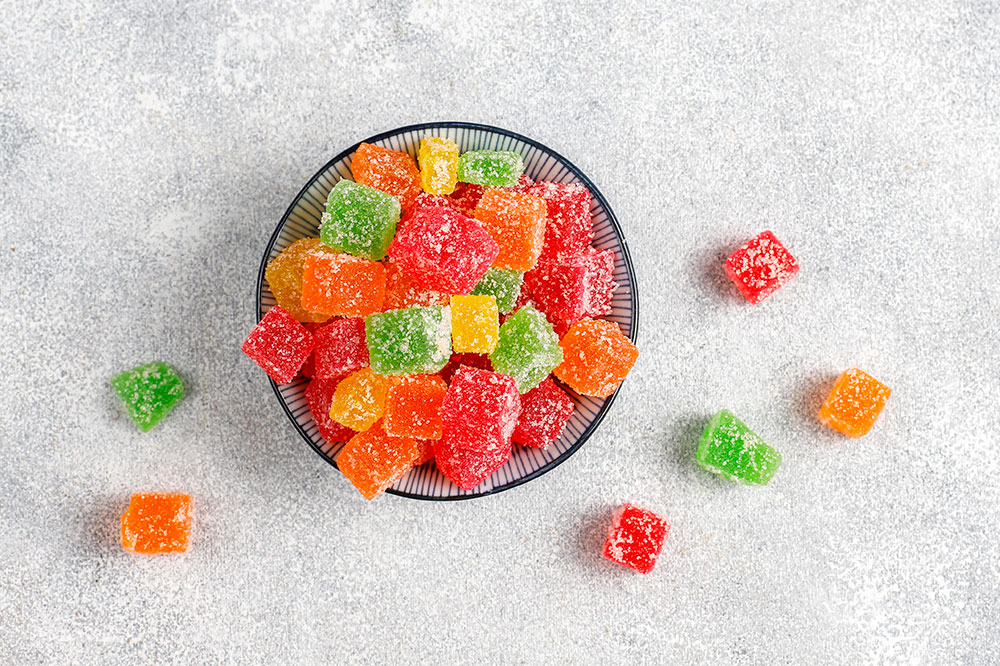
Certain foods have a significant impact on teeth and gums. Some foods promote healthy gums, while others cause plaque buildup. Plaque is a sticky film of bacteria that can cause tooth decay and enamel erosion and lead to the development of cavities. This causes several complications, such as pain, chewing problems, and tooth abscesses. Here are the top foods that can hamper oral health and must be avoided at all costs.
Sour candies
It’s no surprise that candies cause tooth damage. However, sour candies contain several different acids that adversely affect your teeth. They are also chewy and sticky, which means they stay around in your mouth for a longer period, causing more damage. If you are keen on having something sweet, opt for a softer piece of chocolate that you can chew and ingest quickly and wash off any remnants from your mouth.
Bread
Refined carbohydrates such as white bread and white rice can worsen oral health. When we chew on these starches, the saliva converts them into sugar, which can get stuck between the teeth and cause cavities. If you’re looking for carbohydrates, opt for whole wheat bread, as they typically contain fewer added sugars.
Carbonated beverages
Sugary, carbonated drinks like soda and sports beverages have several negative effects on one’s health, such as cardiovascular disease, insulin resistance, and more. They also negatively impact the health of the teeth in two distinct manners. Not only are these drinks acidic, but they also promote acid production in the mouth by fostering cavity-causing bacteria such as Streptococcus mutans. According to various studies, soda is considered one of the main lifestyle factors behind dental erosion. It is best to avoid drinking carbonated beverages as much as possible.
Ice
Chewing on hard substances like ice can cause chipped, cracked, or broken teeth or loosened crowns. Even though ice is only made up of water, it can cause severe damage to teeth and must not be chewed.
Citrus
Citrus fruits like oranges, grapefruits, and lemons are great sources of vitamin C, but they are also extremely acidic and can contribute to enamel erosion and tooth decay. To ensure you get the right amount of antioxidants and vitamin C during the day, have these foods around mealtime, and rinse your mouth immediately to minimize damage.
Potato chips
Potato chips are also starch-rich and are broken down into sugars by the saliva in our mouth. This promotes bacterial growth in the mouth and can cause tooth decay. Ideally, floss after you eat potato chips to remove any stuck particles and reduce bacterial activity.
Dried fruits
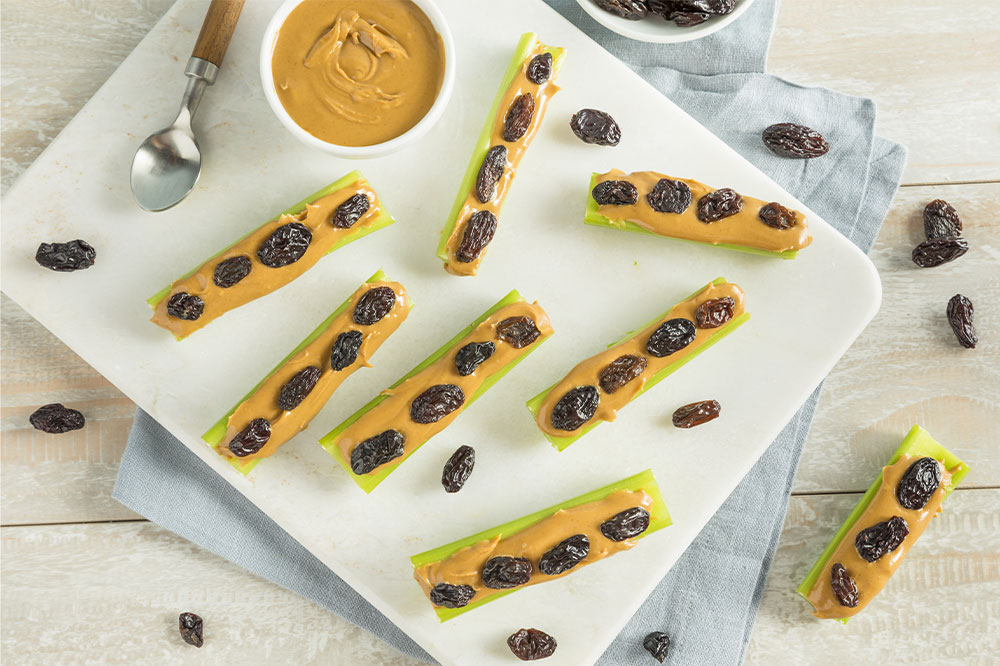
While dried fruits like prunes, raisins, figs, and apricots are healthy snack options, they can contribute to tooth decay. Due to their sticky nature, they tend to cling to the teeth and can leave behind sugar, causing erosion. If you enjoy eating dried fruits, rinse your mouth with water, and brush and floss your teeth after to remove any sticky residue.
Cereal and baked sweets
Sugary cereals and baked sweets are high in added sugars and refined carbohydrates, which can be detrimental to oral health. They are also low in protein and fiber, making them less likely to keep one full for a longer time. Ready-to-eat breakfast cereals and grain-based sweets are leading contributors to sugar for children and adolescents. Instead of these, opt for breakfast items that are low in sugar, such as a bowl of plain oatmeal made from steel-cut oats, topped with nut butter and berries, or an egg and veggie omelet.
Fruit juices and fruit pops
Fruit juices can be harmful to the teeth as they are acidic and cause enamel erosion. Similarly, fruit pops from acidic fruits, such as grapes, oranges, apples, and lemons, can also contribute to tooth decay. Swirling or suckling on ice pops in the mouth for longer periods also increases acid exposure, which can worsen oral health.
Popcorn
Popcorn can get stuck in your teeth, which can promote bacterial growth. Biting down on unpopped kernels can also cause damage to the teeth and gums.
Pickles
One of the most common additives to pickles is acid (generally vinegar), which imparts a tart, pungent flavor to it. However, this can also cause damage to the enamel and is a potential risk factor for tooth erosion.
Tea and coffee
According to certain research, the intake of black coffee can lead to the staining of teeth. Teeth with heavy coffee stains also tend to be more sticky and can be a potential breeding ground for bacteria that can mess with oral health. Tea is often promoted as a healthy alternative to coffee, but it can also cause enamel erosion and compromise one’s dental health.
Crackers
Crackers are rich in refined carbohydrates and can contribute to tooth decay as they promote the growth of bacteria. They can also cause plaque buildup between the teeth, which can be tough to remove. Brushing and flossing regularly is advisable to avoid any long-term dental problems.
According to the American Dental Association (ADA), the following tips can help you avoid tooth decay from food:
- Brush your teeth twice a day, and floss once a day.
- Limit snacks between meals, and pick nutritious snacks whenever possible. Chewing sugarless gum can help increase saliva flow, and wash out any remaining/lodged food.
- Increase water intake throughout the day.
- Try to incorporate sugary foods with meals since the mouth makes more saliva during this time. This minimizes the effect of acid production on teeth.
- Avoid consuming substances that dry your mouth. If these are unavoidable (such as a healthcare treatment), speak to a dentist about using a fluoride rinse or gel for brushing your teeth.