Common foods that can cause and reduce water retention
Water retention is a common issue characterized by the excessive accumulation of fluid in the body’s tissues. This can lead to swelling, discomfort, puffy face, swollen eyelids, and bloating. Various factors can cause water retention, including hormonal changes, ongoing treatments, and certain medical conditions; however, food also plays a significant role. So, here are a few common foods that can cause water retention and those that help manage the issue:
Foods that cause water retention
Salty snacks
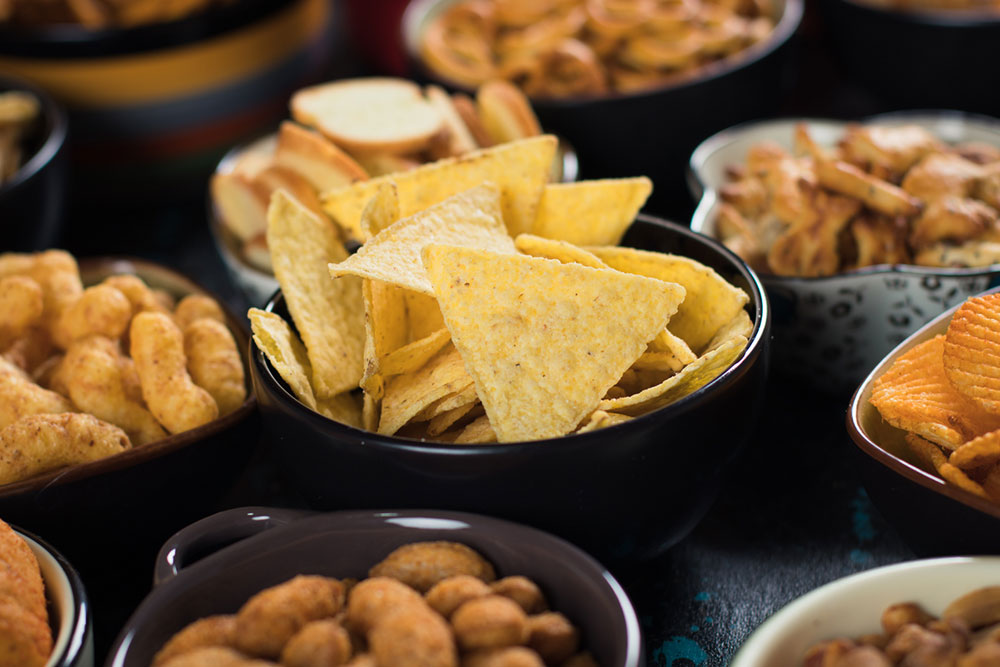
One of the most significant contributors to water retention is the intake of high-sodium or salty foods. Sodium is an essential mineral that helps maintain fluid balance in the body. However, an excess of sodium can increase water retention. This is because the body retains water to dilute the excess sodium, leading to swelling and bloating. So, salty snacks like potato chips, nachos, burgers, pizzas, pickles, and instant noodles are notorious for their high sodium content and should be limited to reduce fluid retention.
Caffeine
Caffeine, usually found in coffee and some energy drinks, acts as a diuretic, causing an increase in urine production. This disrupts the balance of fluids within the body and leads to swelling. So, one should avoid or limit the intake of caffeinated beverages when experiencing fluid retention.
Canned foods
Canned soups, refried beans, and vegetables are often packed with sodium to enhance flavor and preserve the foods. Eating such foods regularly can lead to increased water retention. So, one should consider opting for homemade soups with fresh ingredients and less salt as an alternative.
Processed meats
Processed meats like bacon, salami, sausages, and deli meats are rich in sodium and additives that can exacerbate water retention. As an alternative, one can consider choosing lean protein sources such as grilled chicken or turkey breast or plant-based options like tofu, tempeh, or legumes like lentils and chickpeas, which have lower amounts of sodium.
Sugary foods
When dealing with excessive sugar intake, the body tries to dilute the sugar by retaining water. Additionally, sugary foods can cause fluctuations in blood sugar levels, leading to insulin spikes that prompt the kidneys to retain sodium and water, worsening the symptoms.
Carbonated beverages
Soda, diet soda, and sparkling water can lead to water retention, as the bubbles in these drinks can introduce extra gas into the digestive system, causing abdominal bloating. The high sugar or artificial sweetener content in carbonated beverages can also exacerbate water retention.
Processed carbs
White bread, pasta, and pastries are all processed carbohydrates with a high glycemic index. So, they can cause a rapid spike in blood sugar levels, leading to the kidneys retaining sodium and water.
Store-bought condiments
Condiments like salsa, tabasco sauce, tomato sauce, hot sauce, soy sauce, and fish sauce are all high in sodium, contributing to water retention in the body.
Frozen foods
Salt is added to frozen foods in order to preserve them. Such foods are also highly processed and contain sugar and unhealthy fats. This combination can disrupt the body’s fluid balance and lead to water retention.
Foods that reduce water retention
Potassium-rich foods
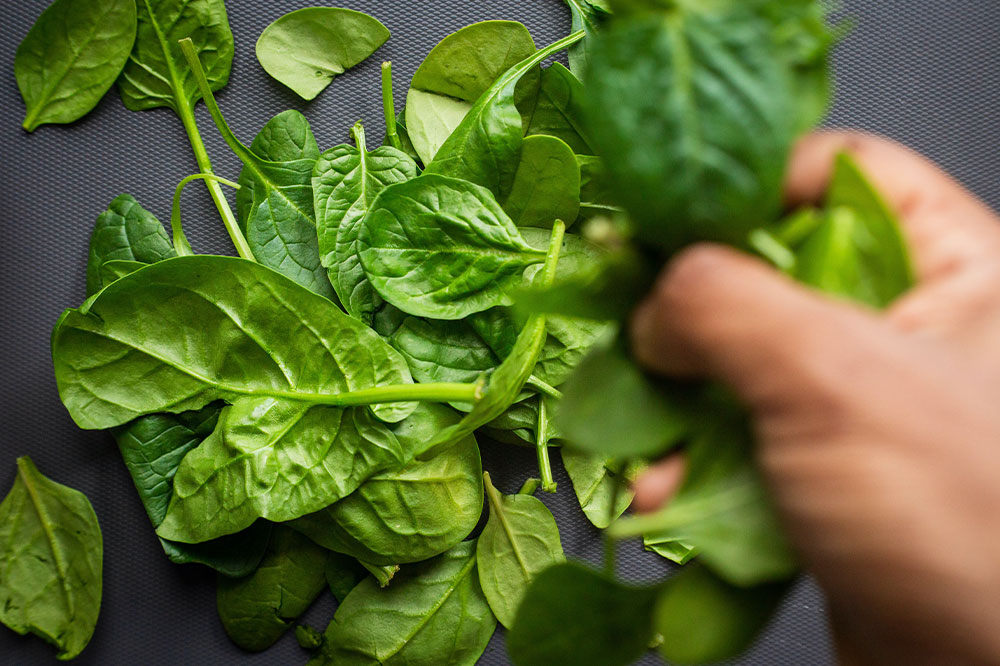
Foods with potassium play a key role in balancing the sodium levels in the body, which can help reduce water retention. The mineral helps the kidneys excrete excess sodium and water. So, choosing foods like avocados, pistachios, sweet potatoes, mushrooms, spinach, kale, Brussels sprouts, and arugula can be beneficial.
Fatty fish and oils
Omega-3 fatty acids found in fatty fish like salmon and oils, including coconut oil and virgin olive oil, have anti-inflammatory properties that can help reduce swelling. These can help provide the body with healthy fats that can alleviate water retention, making one feel less bloated.
Whole grains
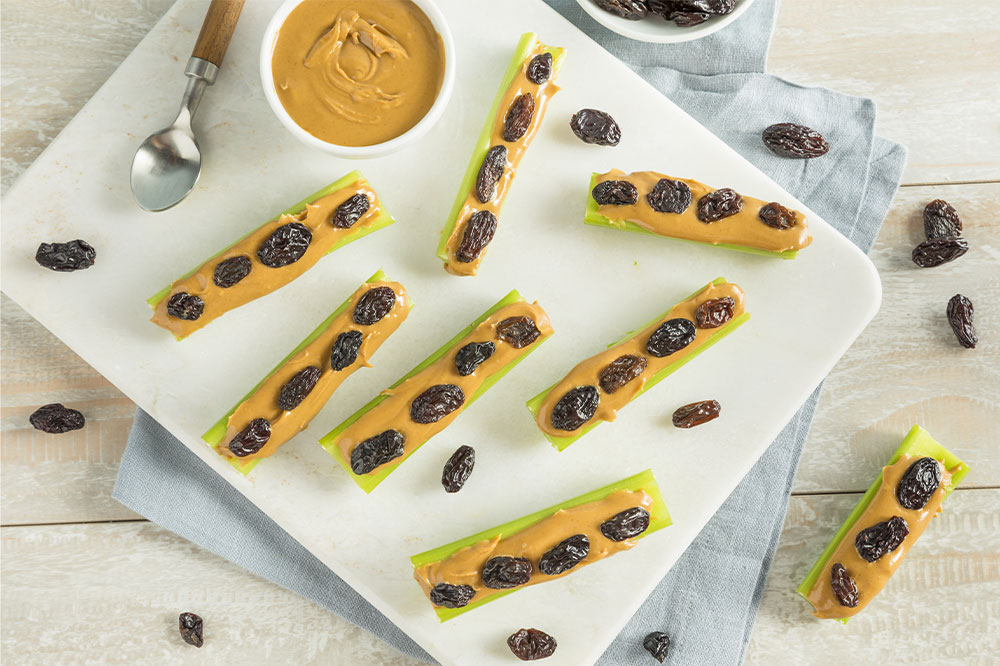
Foods rich in fiber, like whole-grain pasta, peas, celery, and beets, aid digestion and prevent constipation. Fiber promotes regular bowel movements and keeps the gastrointestinal tract clean, reducing the sensation of bloating.
Watermelon
Watermelon is another hydrating fruit that can help flush out excess fluids due to its high water and potassium content.
Pineapple
Pineapple contains an enzyme called bromelain, which has anti-inflammatory properties and can help reduce swelling and water retention.
Causes of water retention
Apart from food, here are some other factors that may lead to water retention:
– Hormonal fluctuations, more commonly seen in women during their menstrual cycle or menopause and those with thyroid issues, can disrupt the body’s fluid balance.
– Ongoing treatments, especially the ones recommended for blood pressure, may cause water retention as a side effect.
– A sedentary lifestyle or lack of physical activity can cause an accumulation of fluids in the body.
– Exposure to excessive heat can make the body retain fluid to prevent dehydration.
– Health conditions like arthritis and diabetes may cause localized water retention. Similarly, heart or kidney disease may impair the body’s ability to maintain fluid balance.
– Aging usually causes a loss of muscle mass and reduces the efficiency of the circulatory system in managing fluid levels.
Remedies
Hydration: Contrary to what one might believe, drinking enough water can help reduce water retention by signaling to the body that it does not need to hold onto excess fluids.
Regular exercise: Physical activities can enhance circulation and reduce the risk of edema (swelling caused by trapped fluid in the tissues).
Compression garments: Wearing compression stockings or sleeves can help prevent fluid buildup in the legs and reduce swelling.
Leg elevation: For those experiencing leg swelling, elevating the legs for short periods can help reduce water retention in the region.
Dandelion tea: Dandelion is a natural diuretic that can increase urine production, reducing water retention when consumed as tea.
Avoiding tight clothing: Wearing loose-fitting clothes can encourage proper circulation and reduce the risk of water retention. This is because unlike compression garments, tight clothes are not designed to relieve swelling.
For those dealing with persistent or severe water retention, seeking guidance from a healthcare professional becomes imperative to pinpoint the underlying cause and determine the most appropriate course of action.