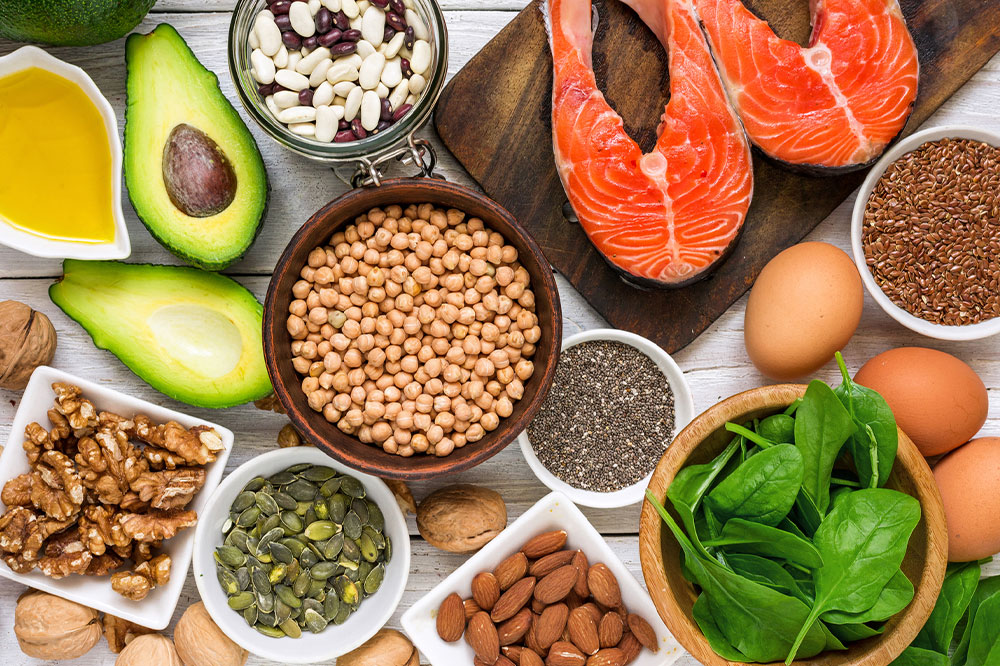
Best foods for people with schizophrenia
health

Best foods for people with schizophrenia

Schizophrenia is a prevalent mental health condition that affects a person’s cognitive abilities and overall functioning. Its symptoms range from unusual behavior and distorted thinking to severe episodes of delusions, hallucinations, and emotional disconnect. Although the disorder is chronic with no cure, an early diagnosis and timely treatment can help improve the patient’s quality of life. The following are some healthy foods for schizophrenia that can help manage the condition better. Foods rich in omega-3 Healthy fats help counter inflammation that triggers cognitive symptoms and discomforts in people with schizophrenia. Omega-3 is among the most popular healthy fats experts recommend patients include in their meal plans to manage the condition. It helps slow down the progression of the disease to a reasonable extent and prevents oxidative stress from harming healthy brain cells. Fatty fish like salmon, herring, mackerel, black cod, and sardines are the best sources of omega-3, which the brain easily absorbs. Vegetarians looking to increase their intake of omega-3 fatty acids can eat avocados. Besides anti-inflammatory properties, the fruit has fiber, which keeps a person feeling full. This, in turn, curbs unnecessary hunger pangs, lowering the risk of overeating associated with schizophrenia. Assorted nuts and seeds like almonds, walnuts, flaxseeds, and chia seeds are also suitable omega-3 sources for vegetarians.
Read More
8 foods to help improve fertility in men and women
health

8 foods to help improve fertility in men and women

Often, people incorrectly believe that low fertility is incurable. Fortunately, years of extensive scientific research have found that the foods one eats, or lifestyle habits can either enhance or debilitate fertility. Maintaining a good food regime can, over time, restore fertility levels in people. This is because of the nutritional value of specific foods that directly bring about positive changes in a person’s reproductive health. Thus, here are some foods that improve fertility: Oatmeal Everyone’s favorite breakfast, a warm bowl of oatmeal, is also a wonderful fertility enhancer. Studies have found that high-fiber carbs that have a low glycemic index are positive for fertility growth. Oatmeal is loaded with these kinds of high-performance carbohydrates. At the same time, one also needs to be careful. The glycemic index of carbohydrates is linked with a given food’s ability to raise or lower one’s blood sugar levels. So, while low glycemic index-based foods lower a person’s blood sugar levels, high glycemic index-based foods make that level rise. Sugar is associated with fertility issues. Thus, foods like oatmeal should be consumed in moderation or you should have sugar-free oatmeal, if possible, to attain all of their benefits while sidestepping their problematic aspects. Spinach Leafy green vegetables have countless health benefits, which is why they regularly feature on nearly all “best foods” lists, and that trend continues for this list as well.
Read More
Top 20 Questions To Ask a Pulmonologist
health

Top 20 Questions To Ask a Pulmonologist

Lungs are vital organs in the respiratory tract that support various bodily functions, including absorbing fresh oxygen from the air and expelling carbon dioxide. However, various respiratory disorders, like the common cold and flu infections to chronic obstructive diseases, can affect these functions. A pulmonologist is a healthcare professional specializing in treating and managing these lung disorders. Here are a few important questions to ask when one consults a pulmonologist. Ask about procedures Pulmonologists perform several tests to determine the type of disease or disorder developing in the lungs. During the first appointment, it is always better to ask about these tests to be prepared physically and emotionally. Discuss in detail about current symptoms Ask the pulmonologist why certain symptoms persist or worsen despite initial intervention. Describe the discomforts so the doctors can perform further tests to narrow down the causes and triggers. It could be a side effect of prescriptions or simply due to the progressive nature of the underlying lung disorder. Ask what should be done during flare-ups Symptoms can be erratic depending on the underlying complication. So, it is also important to ask the doctor about flare-ups and what should be done to provide immediate relief. Discuss test results in detail From acute chest syndrome to tuberculosis, many types of mild and severe lung disorders affect the organ’s overall function.
Read More

Popular Articles

01

4 essential vitamins for optimum eye health

The eyes are complex organs and need a variety of nutrients to function optimally. Many common health conditions like glaucoma, cataracts, age-related macular degeneration, diabetic retinopathy, and others can negatively affect our eyes, which may lead up to a complete loss of vision. While some conditions like moderate astigmatism can be corrected using contact lenses or eye lenses, others can be prevented by consuming a healthy dose of these 4 vitamins: Vitamin A Vitamin A deficiency is one of the most common causes of blindness globally. Vitamin A plays a crucial role in maintaining a clear cornea (outside the covering of the eye). A person with this vitamin deficiency may find their eyes not producing enough moisture to stay lubricated. It is also essential for maintaining the eyes’ light-sensing cells called photoreceptors. A deficiency of vitamin A can also lead to xerophthalmia, a progressive eye disease that begins with night blindness. Continued deficiency can lead to the drying up of the eyes and tear ducts, and softening of the cornea, resulting in irreversible blindness. To maintain eye health, it is recommended to eat vitamin-A-rich foods, like sweet potatoes, leafy greens, pumpkins, squash, bell peppers, carrots, dairy products, egg yolks, and liver.
Read More
02

Avoid these 5 smartphone habits

For most people, it is next to impossible to get through the day without using smartphones at least a few times. You need to make calls, check updates on the go, and even use smart navigation systems on your phone. But some smartphone habits can severely hamper productivity, affect your health, and may make you overly dependent on the gadget. So, here are five smartphone habits to keep in check: Using an alarm app Using your phone as an alarm clock might seem completely harmless. After all, apps on the phone let you set multiple alarms. But it never stops at hitting the snooze or dismiss button once you wake up. You will be tempted to check your phone for messages and social media, which will delay getting out of bed. Opt for a conventional alarm clock and keep your phone away from you at night to avoid checking anything after getting up. Ignoring software updates Smartphone care is as important as learning how to use the device in moderation. Many people make the mistake of postponing crucial software updates and granting necessary application permissions. These habits make the device extremely vulnerable to cyber-attacks that can access confidential data. Always keep your phone updated to ensure the latest security updates are installed.
Read More
03

7 foods that help fight against Bronchitis

When you have bronchitis, it’s easy to overeat greasy, salty, or sugary foods to relieve the coughing, breathing, and throat pain. Alternatively, you may decide not to consume anything at all. However, you should take care and watch what you eat as refined carbs and saturated fats might impede recovery. Knowing which foods to avoid and which to eat may influence the severity of bronchitis symptoms. Here’s a list of a few items you should avoid. Foods with preservatives and additives Sulfites, a form of preservative, may aggravate bronchitis. Liquor, dried fruits, pickled foods, maraschino cherries, and lime juice all contain sulfites. Processed and quick meals frequently contain chemical additives, flavors, and colorings. Some bronchitis patients may be susceptible to or intolerant to these artificial components. Gas-forming foods Eating large meals or gas-producing foods strains the diaphragm, especially if you suffer from acid reflux. This can cause chest pains and asthma flare-ups. Beans, cabbage, carbonated beverages, onions, and fried dishes are examples of these foods. Sugar and HFCS Do you enjoy drinking sugar-laden colas? Be cautious. They can be dangerous to your health. Avoiding syrups, candies, and other sugary foods will help to relieve symptoms such as coughing, irritation, and discomfort in your lungs.
Read More