18 common driving mistakes to avoid
auto

18 common driving mistakes to avoid

Driving is an essential skill that provides unparalleled freedom and convenience when it comes to commuting, traveling, and running errands. However, with this privilege comes a significant responsibility—ensuring personal safety and those of others on the road. Unfortunately, many drivers, new and experienced, can make errors that lead to accidents. By recognizing and avoiding the following common driving mistakes, one can contribute to road safety and have a more enjoyable driving experience. Distracted driving One of the most common driving mistakes to avoid is driving while being distracted. Distractions can range from texting or talking on the phone to eating, self-grooming, or even adjusting in-car entertainment systems. A moment of distraction can be detrimental and lead to accidents. To avoid this, it is crucial to keep focusing on the road and avoid multitasking while driving. Speeding Going over the speed limit is a major cause of accidents. This mistake reduces a driver’s reaction time and increases the severity of collisions. Adhering to speed limits and adjusting the speed as per road and weather conditions is essential while driving. Here, arriving a few minutes later is preferable to risking personal safety and that of others on the road. Tailgating Following a vehicle too closely, also known as tailgating, reduces the time one has to react when the vehicle ahead stops suddenly due to obstacles in the road.
Read More
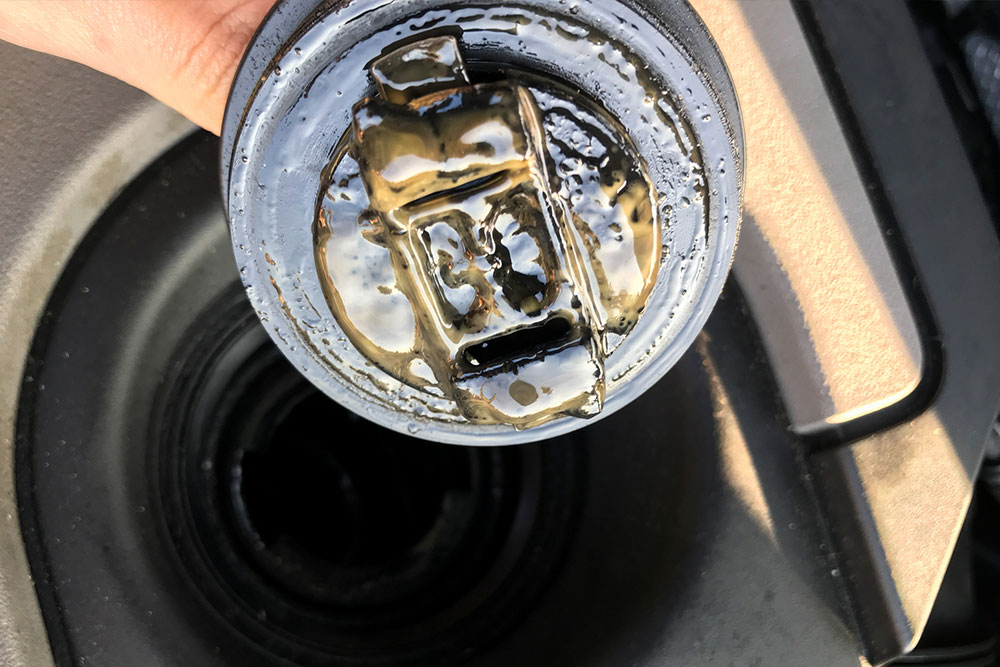
9 tips for changing the oil and filter on Dodge vehicles
auto

9 tips for changing the oil and filter on Dodge vehicles

Dodge is a famous automobile manufacturer with an excellent lineup of trucks and SUVs. While its vehicles are known for performance and durability, they must be maintained well. A fundamental aspect of car upkeep is changing the oil and filters regularly. Whether one owns a robust Dodge truck or a versatile SUV, understanding the nuances of oil and filter changes can help the automobile run smoothly and extend its lifespan. The function of oil and filters in a vehicle Engine oil is a lubricating fluid that circulates throughout the engine to reduce friction between moving parts, dissipate heat, and protect against wear and tear. The oil filter is responsible for removing impurities and contaminants from the engine oil. The filter is replaced during routine oil changes to maintain its filtration capabilities. Tips for changing oil and filters in vehicles Oil and filters play crucial roles in the vehicle’s engine, ensuring it operates efficiently and remains in good condition. If one follows these tips, it will not only ensure engine longevity but also contribute to better fuel efficiency and reduced emissions: Use the right tools and materials Before starting, it’s important to gather all the right tools. One will need an oil filter wrench to remove the old filter, a container to catch the old oil (like an oil drain pan), a set of sockets or wrenches, a funnel to pour in new oil, a new oil filter, and the right type and sufficient amount of oil.
Read More
17 Mistakes Big, Small, and Pickup Truck Drivers Should Avoid
auto

17 Mistakes Big, Small, and Pickup Truck Drivers Should Avoid

Drivers play a pivotal role in ensuring the smooth flow of goods across the nation. Whether they are behind the wheel of a semi-truck or a pickup truck, drivers must navigate a myriad of challenges and responsibilities. However, the road is fraught with pitfalls, and mistakes might have dire consequences. Here are some mistakes that big rig operators and big and small pickup truck owners should avoid to ensure safety and efficiency on the road. Neglecting vehicle maintenance One of the gravest mistakes big rig operators could make is neglecting regular vehicle maintenance. These massive machines require meticulous care to function optimally. Skipping routine inspections, failing to change oil and filters, or overlooking brake maintenance may lead to catastrophic accidents. Fatigue-induced errors Long-haul truckers often face grueling schedules and demanding deadlines. However, pushing the limits of endurance could lead to fatigue-induced errors. Drowsy driving is a silent but deadly threat on the road. To avoid this mistake, drivers should adhere to mandated rest periods, stay hydrated, and get adequate sleep. Overloading and poor load distribution Overloading a big rig or improperly distributing the load may spell disaster. It affects the truck’s stability, steering, and braking capabilities. Drivers should always adhere to weight limits and ensure that the cargo is distributed in an even manner to avoid putting undue stress on the vehicle.
Read More

Popular Articles

01

4 essential vitamins for optimum eye health

The eyes are complex organs and need a variety of nutrients to function optimally. Many common health conditions like glaucoma, cataracts, age-related macular degeneration, diabetic retinopathy, and others can negatively affect our eyes, which may lead up to a complete loss of vision. While some conditions like moderate astigmatism can be corrected using contact lenses or eye lenses, others can be prevented by consuming a healthy dose of these 4 vitamins: Vitamin A Vitamin A deficiency is one of the most common causes of blindness globally. Vitamin A plays a crucial role in maintaining a clear cornea (outside the covering of the eye). A person with this vitamin deficiency may find their eyes not producing enough moisture to stay lubricated. It is also essential for maintaining the eyes’ light-sensing cells called photoreceptors. A deficiency of vitamin A can also lead to xerophthalmia, a progressive eye disease that begins with night blindness. Continued deficiency can lead to the drying up of the eyes and tear ducts, and softening of the cornea, resulting in irreversible blindness. To maintain eye health, it is recommended to eat vitamin-A-rich foods, like sweet potatoes, leafy greens, pumpkins, squash, bell peppers, carrots, dairy products, egg yolks, and liver.
Read More
02

Avoid these 5 smartphone habits

For most people, it is next to impossible to get through the day without using smartphones at least a few times. You need to make calls, check updates on the go, and even use smart navigation systems on your phone. But some smartphone habits can severely hamper productivity, affect your health, and may make you overly dependent on the gadget. So, here are five smartphone habits to keep in check: Using an alarm app Using your phone as an alarm clock might seem completely harmless. After all, apps on the phone let you set multiple alarms. But it never stops at hitting the snooze or dismiss button once you wake up. You will be tempted to check your phone for messages and social media, which will delay getting out of bed. Opt for a conventional alarm clock and keep your phone away from you at night to avoid checking anything after getting up. Ignoring software updates Smartphone care is as important as learning how to use the device in moderation. Many people make the mistake of postponing crucial software updates and granting necessary application permissions. These habits make the device extremely vulnerable to cyber-attacks that can access confidential data. Always keep your phone updated to ensure the latest security updates are installed.
Read More
03

7 foods that help fight against Bronchitis

When you have bronchitis, it’s easy to overeat greasy, salty, or sugary foods to relieve the coughing, breathing, and throat pain. Alternatively, you may decide not to consume anything at all. However, you should take care and watch what you eat as refined carbs and saturated fats might impede recovery. Knowing which foods to avoid and which to eat may influence the severity of bronchitis symptoms. Here’s a list of a few items you should avoid. Foods with preservatives and additives Sulfites, a form of preservative, may aggravate bronchitis. Liquor, dried fruits, pickled foods, maraschino cherries, and lime juice all contain sulfites. Processed and quick meals frequently contain chemical additives, flavors, and colorings. Some bronchitis patients may be susceptible to or intolerant to these artificial components. Gas-forming foods Eating large meals or gas-producing foods strains the diaphragm, especially if you suffer from acid reflux. This can cause chest pains and asthma flare-ups. Beans, cabbage, carbonated beverages, onions, and fried dishes are examples of these foods. Sugar and HFCS Do you enjoy drinking sugar-laden colas? Be cautious. They can be dangerous to your health. Avoiding syrups, candies, and other sugary foods will help to relieve symptoms such as coughing, irritation, and discomfort in your lungs.
Read More