Best and worst foods for age-related macular degeneration

Age-related macular degeneration is an eye disease that affects the macula, a part of the retina at the back of the eye. The disease becomes worse over time and leads to blindness. While foods cannot correct macular degeneration-related vision changes, certain foods can help slow vision loss and maintain eye health. Similarly, certain foods are bad for eye health. Some of the foods to eat and avoid are as follows:
Foods to eat
Here are some of the best foods one can eat to combat macular degeneration:
- Salmon
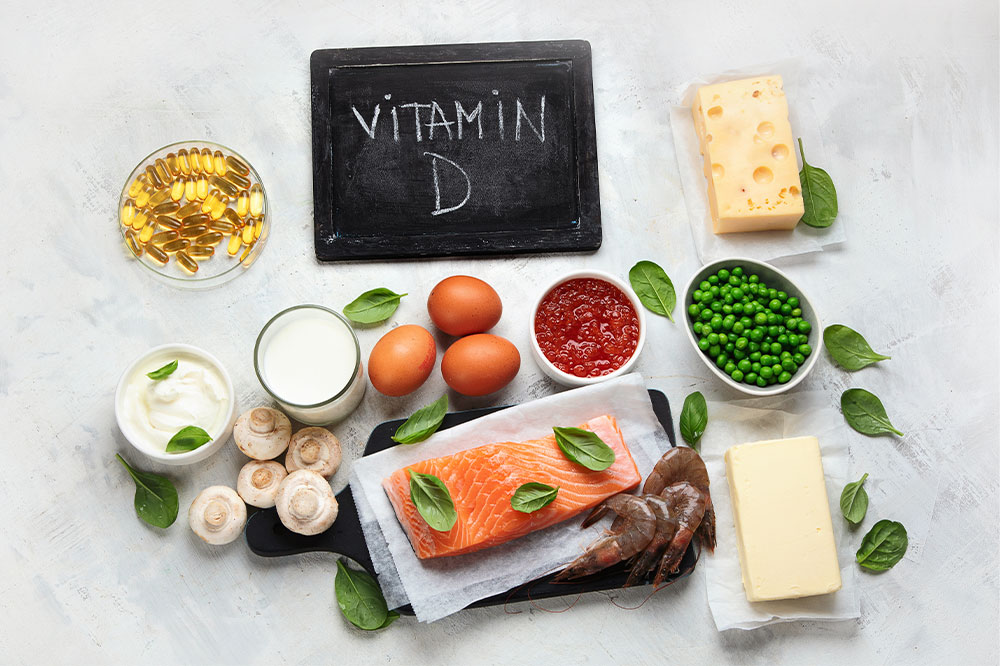
This fatty fish is high in two types of omega-3 fatty acids: EPA and DHA. These fats help fight inflammation, which is thought to play a role in the disease. In addition, they can also help reduce bad cholesterol levels, which are associated with the development of this eye condition. Besides salmon, sardines, mackerel, herring, and tuna, are also high in omega-3s. - Spinach
Among other beneficial nutrients, spinach contains plenty of carotenoids, especially lutein and zeaxanthin. These carotenoids are also found in the macula, where they help protect the cells necessary for vision. A great way to boost the number of carotenoids in the eyes is to load up on spinach and other leafy greens like kale, collard greens, and broccoli. - Chickpeas
Every meal plan for good eye health contains at least one good source of zinc, like chickpeas. Zinc helps supply vitamin A to the retina, assisting in the production of a pigment that protects the eye. The mineral can slow the rate of degeneration of the macula in people with the disease. Plus, it can improve overall eye health.
Carrots
Carrots have long been touted as beneficial for the eyes, which isn’t untrue. These brightly-colored veggies are chock-full of beta-carotene, a powerful antioxidant that decreases the risk of eye conditions like macular degeneration and cataracts. Beta-carotene gets converted into vitamin A in the body, helping the eye better perceive light and color. - Oranges
Oranges are packed with vitamin C, which helps strengthen the blood vessels in the eyes. Studies indicate that taking vitamin C and other eye-healthy nutrients like beta-carotene, vitamin E, and zinc help slow down the progression of macular degeneration and vision loss. Those who don’t like oranges can eat other vitamin C-rich kiwis, lemons, grapefruit, and cantaloupe. - Goji berries
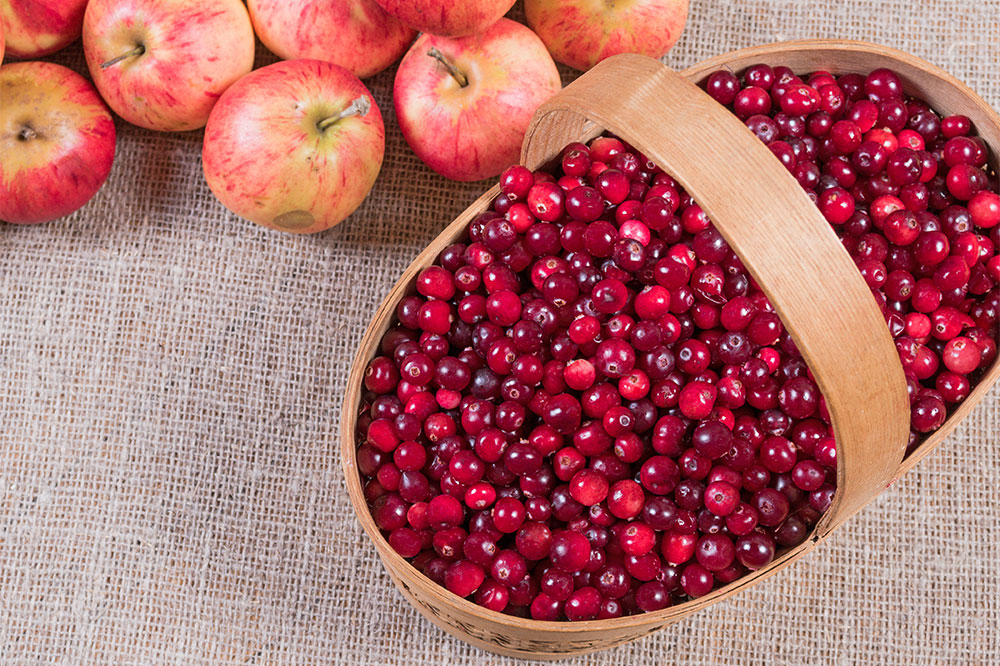
When eaten raw, these small, red berries can be pretty healthy for the eyes. They are loaded with carotenoid zeaxanthin. Plus, goji berries contain many eye-friendly antioxidants like vitamin C and E and even essential nutrients like fiber.
Foods to avoid
To maintain eye health and prevent complete vision loss, try to exclude these foods from meal plans:
- Potato chips
Potato chips are highly processed snacks that can lead to a buildup of cholesterol-containing plaque in blood vessels in the eyes. This can increase the risk of advanced macular degeneration, which means more probability of complete vision loss. It’s not just potato chips; all highly processed foods like pretzels, burgers, french fries, and some breakfast cereals are bad for the eyes. - Palm oil
Palm oil or even coconut oil has high levels of partially hydrogenated fats, also known as trans fats. These are the unhealthiest type of fat anyone can eat. Studies indicate that excess trans fats can contribute to macular degeneration. It’s advisable to replace these unhealthy oils with healthy options, such as olive oil, canola oil, or flaxseed oil.
Candies
Candies are full of sugar, which increases inflammation and produces free radicals that can damage the eyes. This increases the likelihood of developing age-related macular degeneration. In addition, candies are incredibly high in calories and a significant contributor to other health issues that have been linked to the eyes. Besides candies, steer clear of all sugary foods and beverages, such as cakes, pastries, cookies, donuts, ice cream, soft drinks, sports drinks, energy drinks, and fruit juices.
Eggs
Egg yolks are well known for being healthy for the eyes, thanks to the high concentration of lutein and zeaxanthin. But they are also high in cholesterol, which can damage blood vessels in the eyes. People with macular degeneration and high cholesterol levels should avoid eggs. However, those with normal cholesterol levels who follow a heart-healthy meal plan may eat eggs in moderation (about one egg per day). It’s best to speak with a doctor before incorporating eggs into the meal plan.
While making changes to the meal plan is beneficial, controlling macular degeneration often requires proper treatments. Some excellent treatment options include:
- Bevacizumab
Bevacizumab, Commonly sold under the brand name Avastin®, is used to treat wet or neovascular age-related macular degeneration. It is injected into the eye to help slow vision loss.
Ranibizumab
Ranibizumab is widely available as Lucentis® in an injection approved by the FDA for the treatment of wet age-related macular degeneration. It’s a vascular endothelial growth factor A (VEGF-A) antagonist and can reduce the rate of vision loss. - Aflibercept
Aflibercept, marketed under the name Eylea, is an FDA-approved treatment for wet age-related macular degeneration and other diseases that affect the eyes. It works by changing the amount of blood that reaches the retina. - Brolucizumab
This is yet another FDA-approved treatment for neovascular age-related macular degeneration. Brolucizumab is sold under Beovu® and works by blocking VEGF protein.