Avoid These 8 Spots While Installing Home Security Cameras
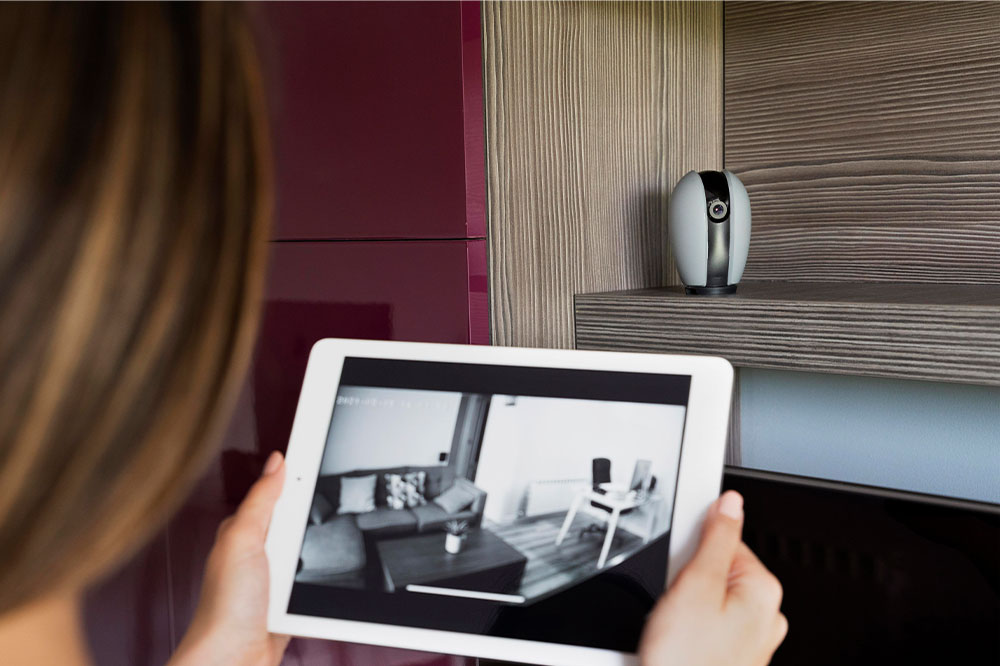
Installing security cameras is the best way to add an extra layer of protection to your home. These cameras are effective deterrents against break-ins and theft and a source of evidence during untoward incidents. However, they must be installed properly. Below, we have discussed the worst spots to avoid while installing home security cameras. In the end, we have also listed tips on how to fix them correctly for the best benefits.
Worst spots to avoid while installing home security cameras
Experts recommend avoiding the following spots when installing security cameras on your property:
Spots that are difficult to see
Some homeowners believe thieves stay hidden in the spots of their garden that are not visible through a window or a door. They feel these are the hidden places from where they will suddenly emerge and barge inside the home. Consequently, they put up cameras pointing at these difficult-to-see areas. However, in most cases, burglars usually break in from the front door or the first-floor window. Therefore, placing security cameras at the back of your house or the side alley will not work.
Places where there are obstructions
Most obstructions, like sofas and staircases, are apparent while installing home security cameras. However, some obstructions do not seem like they will block the camera view. For instance, in the outdoors, a tree branch may sway around during windy days, blocking the device. Or, certain plants might grow too quickly, making you move your cameras regularly. In the indoors, you may end up placing it where a pet often ventures and changes the camera angle or knocks off the device. Keep these obstructions in mind when installing security cameras to avoid blind spots.
Spots that will invade your or another person’s privacy
The worst spots where security cameras can end up are the ones that infringe upon your or another person’s privacy. Considering privacy concerns is highly important. It is okay if your camera captures sidewalks, the street going past your house, and other public spaces. However, it should not point toward a private space that is not part of your property. Also, do not install a security camera in the bedroom or bathroom, as it may cause legal problems.
Along the roofline of the house
Many install a security camera on their house’s roofline, thinking it will capture the entire perimeter of their property. However, the opposite is what happens. It limits the range of view. The camera does not capture any breach of security. Moreover, since the cameras on the roofline are at a greater height, the videos recorded are of poor quality. It becomes difficult to decipher the physical aspects of any intruder, such as their height, body build, and so on.
Facing the yard or the neighbors’ homes
Always ensure your home security system cameras are not positioned to capture your neighbors’ property, as it can lead to conflicts and legal problems between you and them. It can also lead to bad perimeter defense as the cameras are pointed elsewhere instead of your property. This will make it easier for a burglar or intruder to break into your house, endangering your safety and security.
Places where the camera is not visible
Installing cameras where no one can see them may seem like a good idea. However, this type of placement is only helpful for recording surveillance footage, which is not the goal of home security. Your system should aim to prevent a breach into your house or property at all times. This will be possible only when a visible surveillance system is in place. In other words, your cameras must be visible to deter intruders from entering your house.
Spots where the cameras’ IR LED lights will be blocked
Most home security cameras have built-in IR LED lights. These lights have infrared capabilities, which enable the cameras to capture footage even in low-light conditions or in the dark. They turn on automatically whenever the surrounding lights go down or low. However, for this technology to be effective, it is crucial that the lights are not blocked by an obstruction, such as a wall. When this light has free range, the camera uses it to capture the surroundings. But if the light is blocked by an obstruction, it bounces back into the camera, rendering it useless in the dark.
Places that are quite low or easily reachable
Some spots around your property might seem perfect for capturing incoming intruders. However, if they are too low, anyone can stretch their hands and mess up the camera. An intruder may also use black spray paint to block the camera’s view. Your home’s surveillance system can be disabled in many ways when the cameras are placed at lower heights. So, ensure they are installed where nobody can reach them.
Tips for picking the right spots for installing home security cameras
If you have never installed cameras on your property before, picking your spots can get tricky. With that in mind, we listed a few tips that can help you identify the right areas:
- Always place cameras where burglars or intruders will likely enter from, such as the front door and the windows on the first floor.
- Fix the cameras at spots that provide a complete view of the space you want to keep an eye on.
- Find areas where the cameras will not be bumped by you or anyone else, including your pets.
- Ensure the cameras are in spots where everything you want to see can be seen with the interior doors open or closed.
- Ensure the cameras can capture all the entry points of your property.
- Place the cameras directly adjacent to or underneath exterior lights around your property to ensure high visibility and quality footage.