Avoid these 7 common mistakes when buying an EV
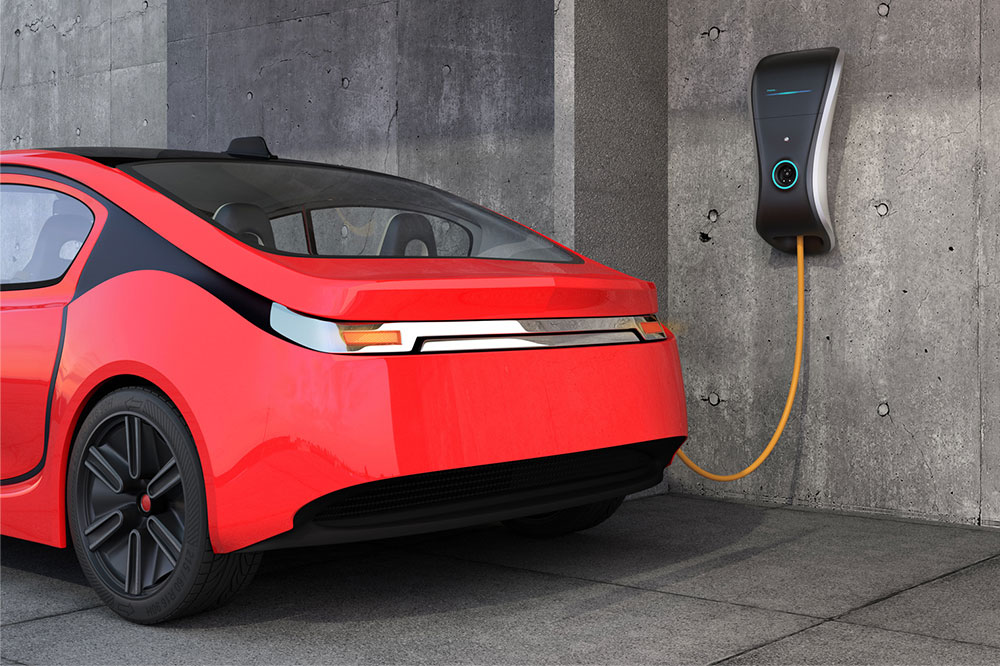
The popularity of electric vehicles (EV) has been steadily rising over the past few years. Due to high consumer demand, many leading automakers have launched new lineups of electric cars. As a result, there are options available for consumers to choose from in their preferred segment. While this has made purchasing an EV easier, it has also increased the likelihood of making buying mistakes that may lead to financial loss.
Here are some common mistakes to avoid for a satisfying purchase experience.
Forgetting to learn about the incentives
Buying an electric car is a smart and responsible decision for both the environment and the wallet. The federal government offers incentives to electric car buyers, with clean vehicle tax credits of up to $7,500 available for eligible vehicles. However, this is only applicable to the first few thousand electric vehicles each carmaker sells in the market. So, it’s important to research which car manufacturers are eligible and whether they have exceeded the sales threshold before making a purchase decision. Additionally, check with the state to see if they offer any incentive programs. Taking advantage of this incentive can make owning an electric car more beneficial.
Ignoring driving habits and requirements
This is another common mistake that can be easily avoided when buying an electric vehicle. Many EV buyers forget to take into consideration their driving habits and the specific purpose for which they plan to buy a car. Some people opt for an EV for occasional short trips, while others may require it for daily commutes or longer trips. It’s essential to ascertain the purpose because electric cars have certain limitations in terms of charging time and range. Thus, for those planning to buy an EV for longer commutes or road trips, a plug-in hybrid or hybrid vehicle with both gasoline and electric features may be a better choice than a fully electric vehicle. Hybrids utilize gas and can travel longer distances without requiring frequent charging. Additionally, with the increasing number of EV options available in the market, a buyer can easily find a car compatible with one’s driving needs and habits.
Ignoring the location’s weather condition
The performance of the electric vehicle’s battery can be influenced by the overall temperature of the surrounding environment. During colder months, for instance, excessively low temperatures can negatively impact the range of the battery. This may require the battery to be charged more frequently and may limit the distance that can be driven on a single battery charger. Similarly, parking an electric vehicle under the sun in high temperatures may damage the battery’s performance. Therefore, it is crucial to take into account the weather conditions of the region where one resides. Thus, if one plans to purchase an electric vehicle, it is important to take necessary precautions to prevent any damage to the car. For example, parking the car in an enclosed garage during extreme cold conditions can protect the battery.
Failing to consider nearby charging options
In recent years, there has been an increase in the number of public charging stations set up in various locations. However, before purchasing an electric car, it is important to research the available charging options nearby. That said, not all charging stations are created equal, and it’s important to know what type of charger to use and how long it will take to charge the car. For those living in apartments or areas with limited access to charging stations, it’s crucial to research nearby resources. This is particularly important for apartment residents who can’t have a personal charging point. For example, if there is a shortage of charging stations during the commute, installing a Level 2 charger at home or work can be helpful. This will ensure the EV has a full battery during the commute, making it easier and more convenient to use. Additionally, drivers have to keep checking their charge of the electric vehicle before every short or long trip.
Not having a proper budget
Buying an electric vehicle is a different experience compared to purchasing a conventional car, which can be confusing. Often, people end up paying more than they expected due to the smooth sales tactics of executives, who may sell fancy packages that the buyers don’t really need. Such instances usually occur when the buyer hasn’t done proper research before making a purchase. Therefore, it is important to set a budget based on one’s requirements and stick to it. Once this is done, head over to a dealership and buy an EV without falling for any sales tricks.
Being intimated by the upfront cost of the EV
Electric vehicles generally have a higher retail price than conventional gas-powered cars. This can be a discouraging factor for a lot of first-time EV buyers. They may give extra attention to the upfront cost while purchasing an EV. They do not look at the long-term operational cost, which may help them save money over the years. This is a common mistake made by many while buying a budget-friendly EV. To prevent this situation, it is crucial to look into the total ownership cost, including tax benefits, insurance, and maintenance. Therefore, buyers must research and compare the costs of different EV models across brands before making a purchase.
Overlooking charging costs
While considering the total cost of ownership, it is important to include the cost of charging the EV. This is a factor that many car buyers overlook when buying an electric vehicle. The charging cost will help determine whether buying a particular EV is a financially viable option. While charging an EV is still cheaper than gas, one may have to spend money installing a charging station at home or paying for public charging, which can add up to the total cost of ownership.