Atopic dermatitis – 4 ways to manage the condition

Atopic dermatitis (AD) is a chronic skin disorder identified by itchy, dry, and inflamed skin. This condition begins in childhood and sometimes lingers through adulthood. Unfortunately, there is no clarity on the cause of atopic dermatitis. During a flare-up, the symptoms and inflammation can get worse when scratched. Despite no definitive cure, some treatment options can manage the symptoms. Let us look at the treatment methods, meal plans, and natural remedies to ease the condition:
Treatment options
DUPIXENT ®
It is a prescription treatment that can help treat moderate to severe atopic dermatitis signs. You can use it alone or with other treatment measures. It is an interleukin inhibitor. You can find the DUPIXENT ® injection as a preservation-free, sterile, slightly opalescent to clear, yellow or colorless solution. But, this treatment option can result in severe side effects like pink eye, injection site reactions, new-onset or worsening eye symptoms, cold, and headache. This treatment option should be administered under professional care and supervision. In addition, consult the doctor for the recommended dosage.
Upadacitinib and Eucrisa
It is an oral Janus kinase (JAK)1-selective inhibitor that helps with severe atopic dermatitis, especially in patients who did not respond to other treatment measures. Upadacitinib is an FDA-approved treatment indicated for use in those who are twelve years and older. Eucrisa curtails a substance that triggers atopic dermatitis symptoms. It is an ointment that offers relief in mild to moderate eczema. It is safe for use in adults and children three months and older.
CIBINQO™
This is an oral treatment option prescribed for adults with moderate to server AD symptoms. CIBINQO™ blocks the JAK 1 protein, which reduces skin inflammation. The dosage depends on the severity of the condition and the physician’s recommendation. It can also result in side effects like headache, nausea, cold, cold sores, UTI, and throat pain.
Foods to eat
Probiotic food items
Miso soup, yogurt with active and live cultures, and tempeh and fermented foods or drinks like sauerkraut, kombucha, and kefir, are rich in probiotics. People with atopic dermatitis experience a reduction in flare-ups after including these foods in their daily meal plans.
Fruits and vegetables containing flavonoids
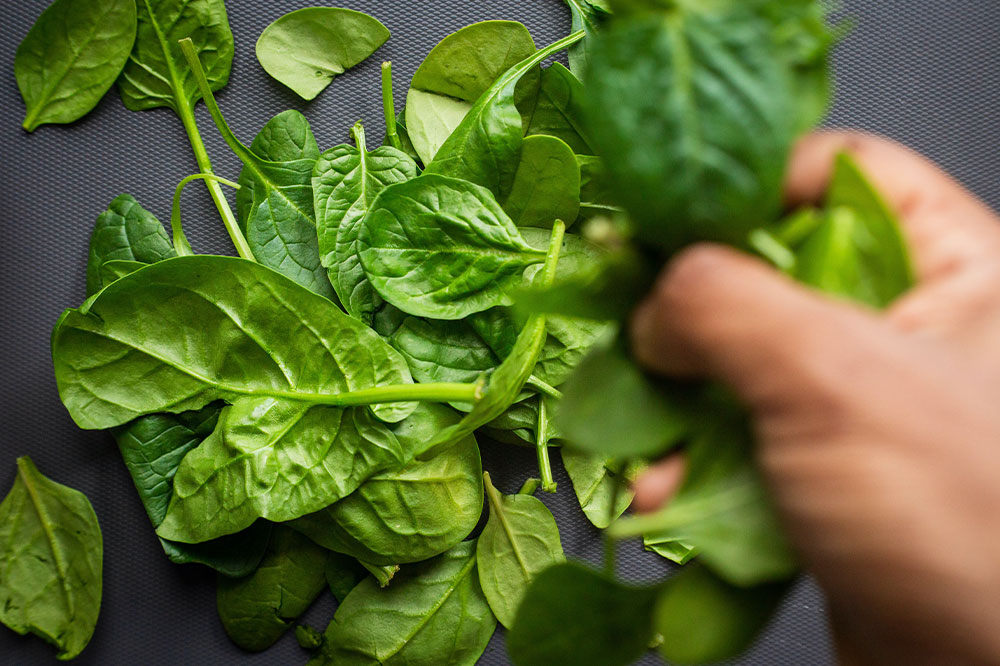
Cherries, apples, spinach, blueberries, kale, and broccoli have inflammation-fighting flavonoids. These foods help alleviate concerns like inflammation associated with atopic dermatitis and promote overall skin health.
Omega-3 fatty acids
People with a deficiency in omega-3s are susceptible to developing atopic dermatitis. Nuts, soybeans, chia seeds, and flaxseeds are loaded with omega-3 fatty acids. The nutrient found in these foods helps regulate the skin’s oil production and soothes irritated and inflamed skin.
Foods to avoid
Soy
Soy allergies are associated with atopic dermatitis as it aggravates the signs of the condition. It is also found in foods like soy milk, sauces, and tofu. Ensure you read the labels before you make a purchase.
Gluten products
Affected people are sensitive to gluten products as it results in symptom flare-ups. Foods with gluten include wheat breads, cereals, cakes, cookies, wafers, sauces, soups, and gummy candies.
Canned foods
Another cause of dermatitis is nickel allergy. Nickel separates from the alloy in a can, increasing the nickel content in the food. Hence, avoid canned juices, food products, and supplements at all costs.
Natural remedies
Manage stress
Adapting to atopic dermatitis gets challenging and stressful. Hence, managing stress is vital as it can exacerbate the symptoms. Try and include some stress management activities in your routine like massages, meditation, and yoga. You can also take up a hobby during your spare time.
Wear the right clothing
People with atopic dermatitis should be careful with what they wear as the choice of wrong fabrics can irritate the skin, worsen symptoms, or cause flare-ups. Triggers may be different for everyone, but synthetic materials, like nylon, polyester, and spandex have a rough texture that irritates the skin.
Use oils
Evening primrose oil
It comes from the evening primrose plant and offers relief from atopic dermatitis. This oil has gamma-linolenic acid and can help keep inflammation, a prevalent AD symptom, in check. It also has omega-6 fatty acids, which subside the inflammation in the body.
Coconut oil
It is a natural moisturizer with antibacterial abilities that lower staph bacteria on the skin and keep infections at bay. It can help people with atopic dermatitis because inflamed skin patches can crack and allow bacteria to seep in. So, when you use the oil, it heals the cracks in the skin.
Sunflower oil
It is extracted from sunflower seeds; the oil guards the skin’s outermost layer. It helps retain moisture and keep bacteria at bay. Sunflower oil also offers relief from skin itching and inflammation. You can apply it directly to the affected area after a bath. Use its undiluted form for best results.
Atopic dermatitis is not just any mild skin rash; it can quickly progress and impact the quality of life if ignored. The constant itch can make it challenging to sleep or focus on daily activities. But, with the proper treatment and changes in food habits, it is possible to keep it under control. So, speak to an expert, and get the necessary assistance.