A guide to choosing the right mosquito repellent device
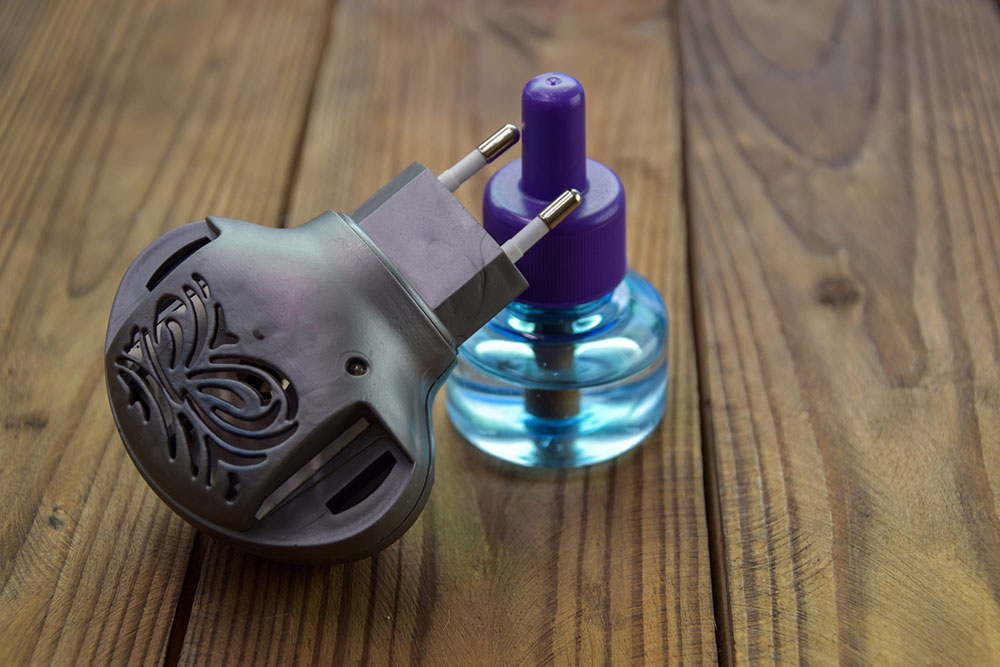
It is important to choose the right repellent device to protect oneself from mosquitoes. With various available options, understanding what to look for in mosquito repellent devices is essential. Effective repellents should be easy to use, safe, and provide protection for a longer duration. From nets to electronic devices, finding the right repellent can make a significant difference in warding off these insects. Some important factors should be considered when selecting a mosquito repellent device.
What to look for in a mosquito repellent device?
Before buying a mosquito repellent device, one should consider a few factors to ensure one chooses the right device. For instance, if there are children in the family, one should look for mosquito repellent devices that are safe for the skin and the respiratory system. Here are some factors that individuals should consider while looking for one:
1. The size of the area the device can cover
There are many types of mosquito-repellent devices on the market. One should choose a device based on the size and dimensions of the area the device can cover. For instance, small portable devices are ideal for indoor spaces, like homes and small rooms, while one can consider installing a larger or permanent system for large areas.
2. Protection duration
The duration of protection the device provides is also an important consideration. Some devices and products offer protection for a short duration, like a few hours, while others promise all-day protection. The duration of the protection may depend on the basic active ingredients in the product.
3. Look for approved devices and products
Even if the device or product claims to be organic or natural, one must look for options approved by the Environmental Protection Agency and the Center for Disease Control and Prevention. By buying approved products, one can ensure the safety of children, pregnant and breastfeeding women, people with sensitive skin, and those with weakened immune systems.
4. The list of ingredients
If one is buying a mosquito repellent product that one has to inhale or use on the body, like sprays or creams, it is essential to buy products that have safe and approved ingredients like:
- Picaridin
- IR3535
- Lemon eucalyptus oil
- Para-menthane diol
- 2-undecanone
Types of mosquito-repellent devices
To protect oneself from mosquitoes, one must take adequate precautions at home and when traveling. While mosquito nets are one of the safest ways to do so, there are many other mosquito-repellent devices available on the market that are easy to carry, effective, and safe for everyone.
Mosquito-repellent devices for large yards
There are various potent mosquito-repellent devices that can be installed in large areas outdoors. These include:
1. Mosquito misting systems
Mosquito misting systems work like irrigation systems, but they contain insecticides. Specialized nozzles disperse it over a large area, such as a yard or a camping site. They can be customized for any space based on size and layout.
2. Fuel-powered mosquito repellents
Fuel-powered mosquito repellents contain mosquito repellants activated by heat. The fuel or batteries generate heat, activating the mosquito repellant, which is diffused into the surroundings. These devices can be placed on the patio, camping stools, or in a dry place in the yard to be effective. They can also be used indoors or in large living spaces.
3. Integrated pest management
Integrated pest management consists of several procedures and methods to reduce the population and growth of one or more pests. It reduces the need for overusing pesticides and combines methods like habitat modification, cleaning and trimming unnecessary vegetation, moisture prevention, and using mosquito-repellent devices.
4. Mosquito repellent lanterns
The lanterns contain repellents that get activated once the lantern is lit. These can contain LED lights, too.
Mosquito repellent devices for smaller areas and personal use
The other types of mosquito repellent devices that are effective indoors and for individual use include:
1. Mosquito nets
Nets are safe for everyone as they do not contain chemicals or insecticides. Children and adults can use them around their beds to keep mosquitoes away through the night.
2. Candles and coils
These are popular options because the candles and coils contain anti-mosquito ingredients. When they burn, the ingredients repel mosquitoes.
3. Aerosols
Aerosols are insecticide sprays that are effective for a few hours. They are effective indoors and in small living spaces, especially in a home garden. It is important to note that they cannot be used on individuals.
4. Sprays and creams
Sprays and creams contain safe and approved ingredients. They can be directly applied to the skin or applied to clothes. If using them for a child or people with sensitive skin, it is important to check the ingredient labels to ensure that the sprays and creams do not contain any allergens. They act as a barrier and prevent mosquitoes from contacting the skin and clothes.
Dangers of mosquitoes
Mosquitoes are insects that thrive in various environments, such as marshes, swamps, tree holes, home gardens, stagnant water, clogged ditches, and rainwater puddles. They have a four-stage lifecycle: egg, larva, pupa, and adult. When mosquitoes bite humans, they can cause skin irritation, itchiness, redness, and bumps. They can also transmit deadly diseases such as Malaria, West Nile Virus, Dengue, Zika, Yellow Fever, and Chikungunya. One can consider using any of the mosquito repellent devices mentioned in this article to protect oneself from these pesky insects.