9 tips to buy a low-priced used car
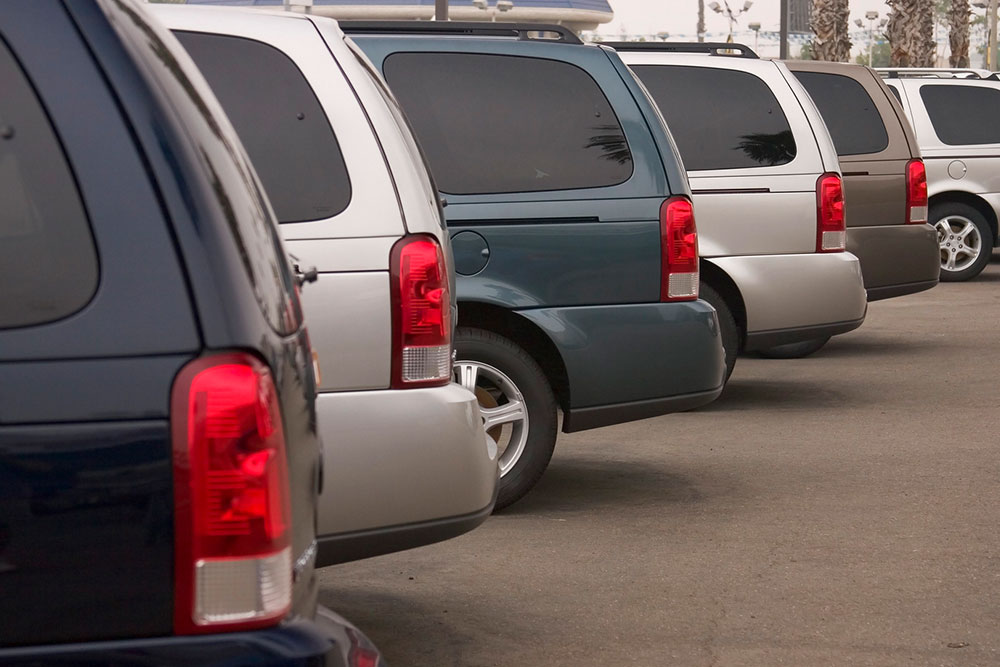
Buying a used car is one of the best ways to save money on the purchase. It is also possible to get all the features and accessories one wants in a pre-owned car that would otherwise be extremely expensive in a brand-new car. Though a cheaper alternative, buying a pre-owned automobile can still be a costly affair. To avoid that, one should spend some time carefully considering the purchase decision and preparing for negotiations.
1. Determine a budget
Before one starts looking for used cars online or at dealerships, one must determine how much they are willing to spend. The budget should be set by considering the upfront cost of the car, repairs it might need, and new accessories or other add-ons. While setting a budget, one should also take into account maintenance and auto insurance costs.
2. Get pre-approved for financing
Before finalizing the used car, one should consider getting approved for an auto loan through a traditional bank, online lender, or credit union. As part of prequalification, some lenders may let one explore potential interest rates without affecting their credit score. Lenders may also let one apply for preapproval and receive a formal offer, giving one around 30 days to shop. One could also opt for dealer financing, but with that, the dealer may try to pair one with a lender who is paying a heftier commission rather than a lender offering a lower interest rate. Visiting a dealership as a pre-qualified buyer will show the sales representative that one is serious about making a purchase. It also gives one leverage to negotiate the price of the vehicle.
3. Consider multiple models and sellers
One might find a low-price pre-owned vehicle in one go. But as attractive as the offer may look, one should always consider multiple vehicles and sellers to find the right price. For instance, while one dealership might quote $10,000 for a sedan, another might offer the same make and model for $2,000 less. By looking up various models and sellers, one can choose the most affordable option.
4. Check warranty and return policies
A used car might still be covered under the manufacturer’s warranty or a dealership or third-party warranty. So, before one pays the quoted price for a pre-owned car, they should review the warranty terms and coverage to determine what’s included and what’s not. Also, one must ask the dealership about the return policies or guarantees in case something goes wrong with the vehicle following the purchase.
5. Ask for the history report
A buyer should always ask for a vehicle history report before committing to a purchase. The report offers important information, such as the car’s history of accidents, miles driven, and maintenance records. The report may also reveal any parts of the vehicle that the previous owner or dealership may have replaced. The car’s history often plays a crucial role in determining its price, which is why one should ask for it before making a decision to buy a used car.
6. Inspect the car
Before purchasing a pre-owned car, one must inspect it thoroughly. The vehicle must have been driven by one or more people for a while before making its way to the current seller. A used car is also exposed to extreme weather conditions throughout the year, which could affect its function and exterior. So, one must look for signs of rusting underneath the car or under the hood and check the interior for any damages not reported by the dealership. One should also look for signs of damage in tires. A complete inspection could help one determine if the quoted amount is reasonable or if one needs to bargain for a lower price.
7. Schedule a test drive
When considering buying a vehicle, whether brand new or pre-owned, one must always ask for a test drive. While driving the car, one can assess the car’s handling, acceleration, and brakes. One could also pay attention to the interior and check how are comfortable the seats, if the infotainment system works, and whether the fuel gauge is functional. During the test drive, one may find issues like rattles while driving and missing or malfunctioning features. If these issues hadn’t been disclosed by the seller earlier, one can ask the seller to either resolve these issues or quote a lower price to account for repairs or replacements one will need to fix the issues.
8. Verify the vehicle identification number
Each car is assigned a unique vehicle identification number (VIN) when it is first purchased. The number is associated with the car until it needs to be legally scrapped. One can look for the VIN on the dashboard or inside the driver’s side door frame. One should carefully check the number against the one listed in the vehicle history report to ensure they match. If they notice any discrepancies with the number, they should reconsider the purchase. A mismatch of the VIN could indicate fraud.
9. Negotiate the price
Whether one is visiting a certified pre-owned dealership or a private seller, one may get a higher quote than initially expected. But there is usually some wiggle room. One should always negotiate the price for a better deal. The best way to convince the seller to bring the price down is by researching the vehicle’s fair market value based on factors like its make, model, year, and condition. Being well-informed in these areas could help one negotiate a price that aligns with their budget.