9 superfoods ideal for nursing mothers
Breastfeeding is a universal way to nourish a newborn. Many mothers exclusively breastfeed their baby for six months, which is the minimum duration doctors recommend around the world. During this phase, nursing mothers need to have healthy, nutritious foods as this is how infants get the nutrients they need. Additionally, certain foods can help increase the milk supply. So here are a few superfoods that are ideal for nursing mothers:
Avocados
This superfood is loaded with nutrients like heart-healthy fats that can help new mothers feel full for long periods. Breastfeeding mothers usually feel frequent hunger pangs due to having to nurse often. Further, women need more calories during their nursing period. This is why avocados are a great and versatile option for filling recipes. The fruit contains essential vitamins and is a versatile option to add to meals.
Nuts
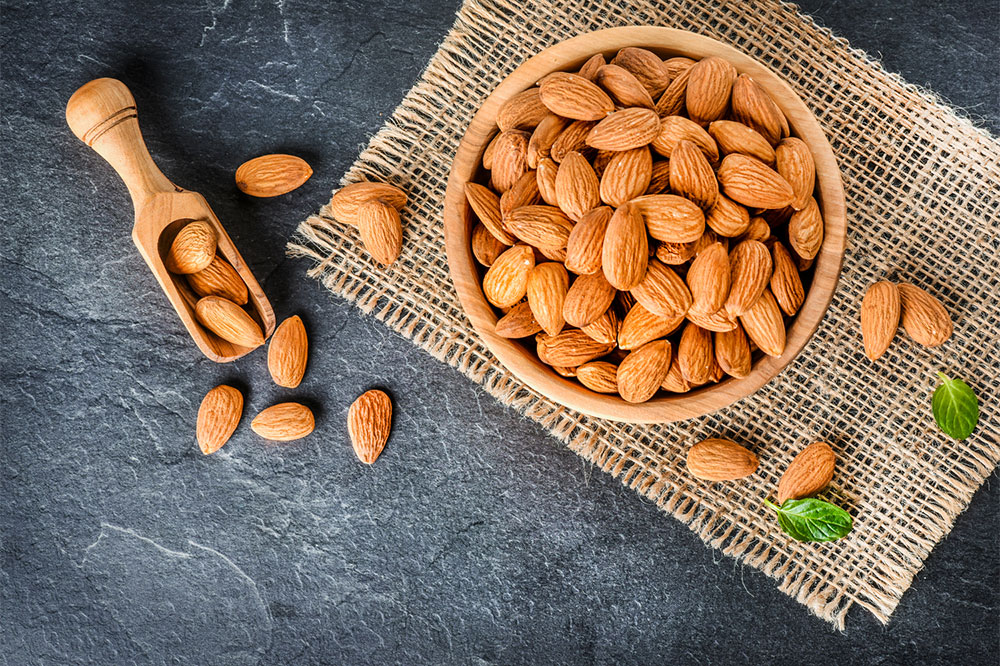
Nuts like almonds, Brazil nuts, pistachios, and macadamia nuts are great snacking options for new mothers. These nuts are usually high in essential minerals such as iron, calcium, zinc, and vitamins K and B. They are known to be lactogenic and also excellent sources of healthy fats and protein, essential for babies and mothers alike. One can have these nuts by the bedside to make them easily accessible.
Coconut
Coconut consumed in any form is great for nursing mothers as it is high in fat-soluble nutrients like vitamins A, D, E, and K. Additionally, coconut contains high amounts of fiber that help regulate bowel movement. Also, it is especially recommended for breastfeeding mothers as it helps improve the milk supply. Further, coconut water is full of electrolytes that can serve as a great source of hydration for breastfeeding mothers.
Beans and legumes
These are a great source of protein and vitamins essential for one’s overall health. Additionally, some legumes, such as chickpeas, have been categorized as galactagogues (or lactation boosters)—foods that increase breast milk supply. Further, one can add soybeans, kidney beans, black beans, Anasazi beans, fava beans, and garbanzo beans to meals.
Apricots and dates
Nursing mothers who struggle with lactation should consider adding apricots and dates to their nutritional regime. These two foods are excellent sources of prolactin—a hormone that signals the body to produce milk. Apricots are also high in essential nutrients like fiber, vitamins A and C, and potassium. Dates are rich in iron and fiber, making them a healthy natural sweetener that can be used for many recipes. One can make smoothies using the two ingredients to keep feeling full for hours.
Yogurt
Calcium is essential for both—mother and child, and yogurt is a potent source of calcium and protein. One can add fruits, dried fruits, or granola to plain yogurt and make a crunchy breakfast bowl. However, steer clear of flavored yogurt that contains artificial sweeteners and preservatives.
Green leafy vegetables
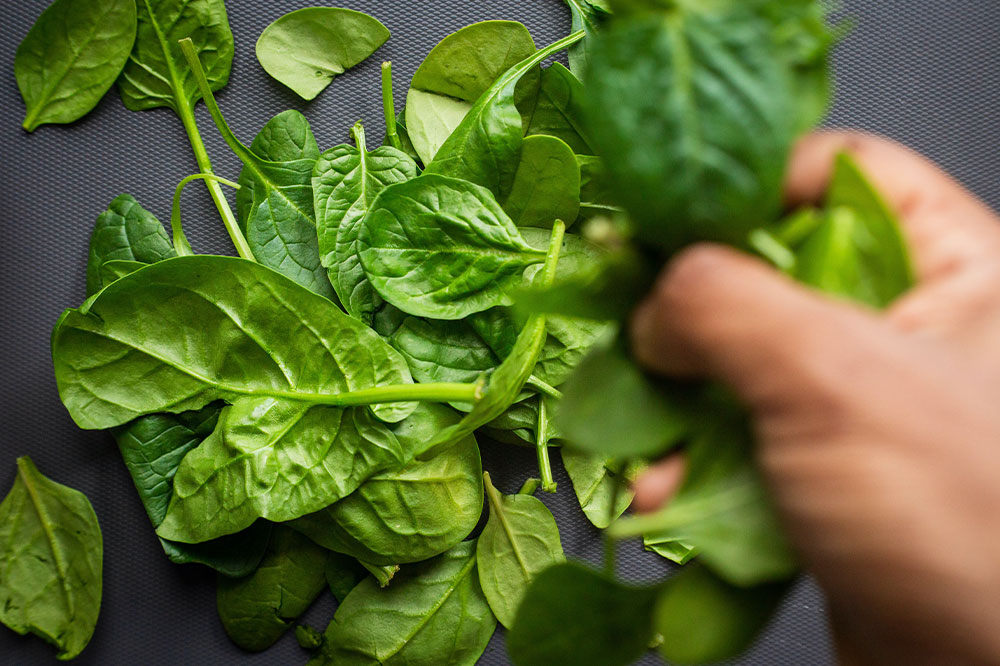
Vegetables like kale, collards, cabbage, and fenugreek leaves are great options to maintain one’s health and overall well-being. They contain iron and phytoestrogens—plant-based compounds that can positively affect milk production in nursing mothers. One can develop a meal plan with recipes that include more green leafy vegetables.
Red and orange root vegetables
Items like sweet potatoes, carrots, and yams are some examples that fit in this category. Just like green vegetables, these categories of foods possess lactogenic properties that are highly beneficial for nursing mothers. These are highly nutritious vegetables that can significantly help enhance the quality and quantity of breast milk.
Seeds
Chia, flaxseeds, pumpkin seeds, sunflower seeds, and sesame seeds are concentrated sources of all nutrients. They are excellent sources of protein, iron, zinc, calcium, and healthy fats, including omega-3 fatty acids, crucial for new mothers and infants. Consider adding a variety of seeds to the daily food regime to benefit from the high levels of vitamins and proteins found in these seeds.
Apart from making better nutritional choices, new mothers need rest and breaks from breastfeeding. This is why many women use breast pumps to make their lives easier. Storing milk beforehand using a breast pump is a great option for mothers when they need to work or get ready for the day or have their partner or other family members babysit. This can help other people feed the baby, or mothers themselves can use stored milk when they cannot breastfeed. In addition to creating a sufficient supply of milk in advance for the baby, women may rely on breast pumps to relieve pain from engorgement and deal with latching issues and low milk supply. The stimulation from the breast pump helps enhance the supply of milk. However, these tools can be expensive and so one should thoroughly check insurance plans to see if it covers breast pumps. If not, the insurance may cover part of the cost. For instance, Cigna is an insurance company that offers many maternity benefits through its policies. So, the plans can cover different types of breast pumps, including electric models and hospital-grade pumps in certain cases. So one may be able to get an Elvie pump for free as part of their Cigna policy. Plans can also offer coverage for models like Willow Generation 3, Spectra, and Medela.