9 Important Things to Check When Buying an RV
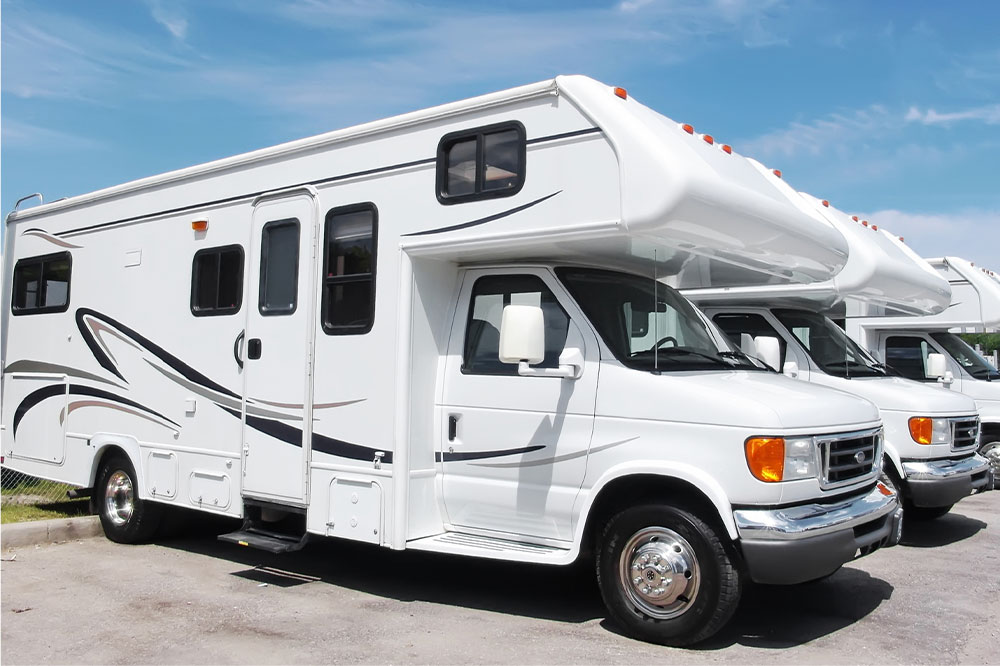
More than 9 million people in the country own a recreational vehicle or an RV. The RV industry impacts approximately $140 million of the country’s economy. Millions in the country are looking into buying an RV, with the number expected to grow steadily over the years. But, as with any other vehicle, multiple factors need to be considered when buying an RV. Finances, the vehicle’s condition, model, and capacity are just a few of those factors.
Flat or blown-up tires
Don’t overlook the tires. Start with checking that the tires aren’t too old. Prefer new tires with the RV as much as possible. And don’t be fooled by how old or new the tires look. Go a step ahead and cross-check the age of the tires instead of just assuming they are new based on their appearance. It is important to note that a blow-up in an RV can be even more tragic than a car. Experts suggest changing RV tires every 5 years to be safe from catastrophes. The DOT label present on the sidewall will give you the information you need about the tire’s age. The four-digit code on the label indicates the week and year the tire was manufactured.
Slide out
Everyone loves the space and convenience a slide-out provides. However, this also means the equipment is more vulnerable to rusting, corroding, and wearing out. If the RV has been constantly treated with timely checks and maintenance work, of course, you won’t be able to find any issues with the slide-out. However, if you experience obstruction, a screeching noise, or other similar indications, know that a deeper look is necessary. Timely lubrication of the side arms helps extend the life span of the equipment. And if all of this has been skipped, it can result in more breakage, malfunctioning, and a range of other trouble.
Roof trouble
Roof troubles might be an inevitable part of the RV life for most. However, that does not mean to need to deal with them right from the get-go. Investing your hard-earned money in an RV that already has flaws is not a choice you want to make and then live with it. Check for leaks, cracks, and loose roofs and get it sorted before taking off for the road trip. Prefer fiberglass or metal RVs as opposed to rubber RVs. You do not want to invest in something that will cost you thousands of dollars in repair and replacement. Not when you already know it comes with low durability.
AC blockages
When investing in an RV, do not leave checking out all the electronics and accessories. Especially something as important as the air conditioner and the HVAC filter. If you come across a clogged AC or air purifier filter, know that the previous owners have not been doing their due diligence. The clogged filter proves how well the vehicle has been maintained throughout its tenure. The filter conditions and that of other essentials like the coach engine shall be able to make your decision easier. Because who wants to invest in an ill-maintained motor vehicle?
Electrical problems
You might not be able to tell by yourself whether the RV’s electrical circuit is in the best shape. But you can always hire a professional to help you out with it. DIY circuit checks and previously done DIY electrical repairs should sure be a cause for concern. It is even more of a concern since this is a small, enclosed vehicle that will be on the road in varying climate conditions. A replaced switch is not that big a risk, but it is always better to be safe than sorry.
Floor damage
It can be difficult to detect water damage if the water has seeped into the flooring. Make sure the RV flooring is sturdy from the front to the back. If it has more give around the kitchen and bathroom, there are chances that water has managed to find its way beneath the floor linings. Loose swollen flooring around wet rooms could be an indication of rot.
Mold
Living in an RV with mold growth is more than just a health hazard. It could be an indication of more serious underlying issues. You might not be able to spot visible signs of water damage in the vehicle, but the presence of mold is all the proof you need to be warned. Look carefully in the corners and crevices for any sign of water damage and leaks. Especially the fixtures and corners of the RV bathroom. Use a flashlight to check the closets and cabinets to check for mold growth in there. If the cabinets feel warmer to you than the rest of the vehicle, it is also a good indication of mold. Even if it sounds silly, jump up a couple of times to test the floors properly.
Exterior damage
Make sure you are checking through all the panels on the outside of the RV. Look carefully for any signs of rusting or corrosion in any panels. Check that the panels do not have much give. If they do, know that this RV might not be the smart investment you want it to be. Like the flooring, the exterior walls of the RV need to be stable and sturdy. Delamination can signify the glue is losing strength or water has seeped between the two layers. Either of which can cost you in terms of finances and mental peace. Not to mention, a delaminated RV can come with its own risks.
Troubled history
Whether you are looking at a used bike, car, or RV, remember to check the vehicle’s user history before buying it. The vehicle identification number (VIN) will come to your rescue. The VIN will give you the necessary information about whether or not the manufacturer has recalled any RV from the batch and other announcements or notifications. In addition, you will also be able to access the vehicle’s history, which will let you know whether or not the RV has ever been stolen, needed repairing or replacements, or has ever been damaged and rebuilt.