9 foods that are harmful for pets
Many pet owners prefer to prepare homemade meals for their furry friends. However, it is important to remember that some foods that are safe for humans can be toxic to pets. This article highlights some foods that should be avoided when feeding pets to avoid long-term illnesses. Before making any changes to the pet’s meal regime, consult a veterinarian. Additionally, keep a watchful eye for any side effects or allergic reactions the pet may have.
Avocado
This healthy superfood for humans is toxic for house pets. It contains a compound called persin, which can cause an allergic reaction in dogs. It can induce vomiting or even diarrhea. Apart from this, if ingested by mistake, the seed can get stuck in the stomach and intestines or the food pipe, worsening the condition of the pets. This particular type of food can be extremely harmful to birds, rabbits, donkeys, horses, sheep, and goats. In birds and rabbits, this food may cause cardiovascular problems, while horses and donkeys may experience swelling in the head and neck, which can lead to severe consequences.
Chocolates
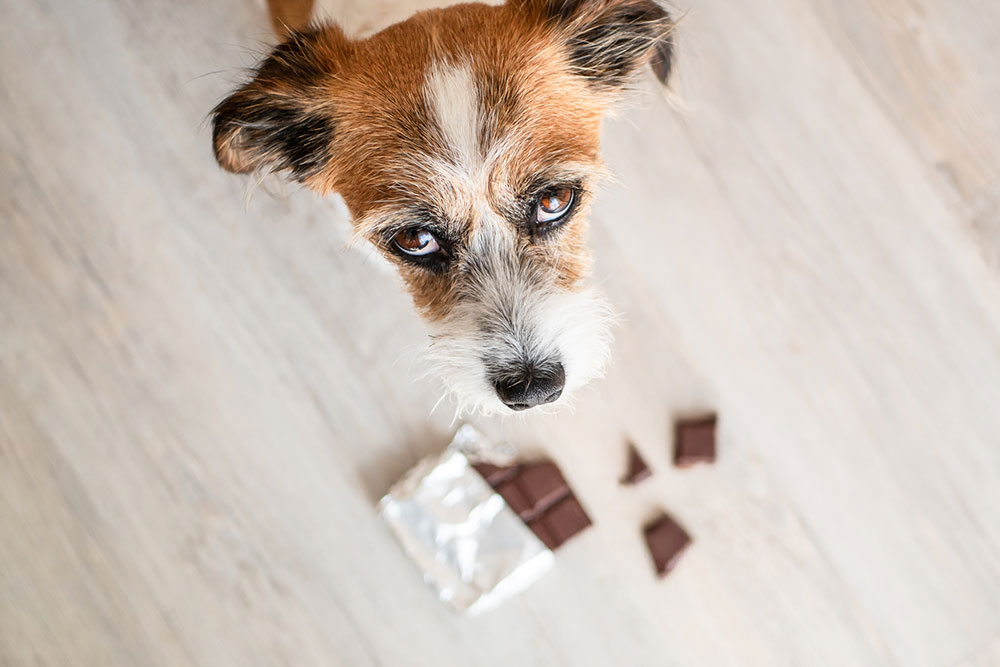
It is a well-known fact that chocolate is extremely harmful to dogs and other animals. The culprit behind this sweet treat’s toxicity is theobromine, a compound found in both dark and milk chocolate. The most dangerous types of chocolate are dark chocolate and unsweetened baking chocolate, which contain high amounts of this compound. Ingesting chocolate can result in vomiting, diarrhea, and other issues such as heart problems, seizures, tremors, and even death in some cases.
Grapes
It is important to keep grapes away from pets as they can cause kidney failure in dogs. Even small amounts of raisins and grapes, whether seedless, dried, or peeled, can lead to frequent vomiting, weakness, sluggishness, and inactivity throughout the day. These are the symptoms that dogs exhibit after eating these fruits and the side effects caused by them.
Milk and dairy products
Milk in small quantities can be a safe treat for pets. However, certain animals sometimes do not possess the right amount of lactase in their body. It is an important compound that helps break down the lactose in the milk. So, feeding them milk or dairy-based products can lead to digestive issues, diarrhea, loss of appetite, vomiting, flatulence, and other reactions. Instead, try giving some cold water or other acceptable substitutes (vet recommended) for pets who are lactose intolerant. Some pets may also have an allergy to milk, which can lead to constant itching.
Raw eggs, meat, and bones
Eggs make for a great protein source for pets. However, it is always recommended to feed cooked eggs instead of raw eggs to pets. Raw or undercooked eggs can contain bacteria such as Salmonella or E.coli, which can cause food poisoning in dogs. Additionally, they contain an enzyme called avidin, which limits the absorption of biotin, a type of vitamin B. This can lead to problems with the pet’s skin and fur. To avoid any health problems, it’s better to play it safe and give pets cooked or boiled eggs.
Similarly, feeding raw meat for the same reason should be avoided. Many pet parents opt for a raw meal plan for their pets. However, it is always advised to speak to a veterinarian first and get all the information regarding the chosen type of meat.
Also, raw bones are not the ideal option for pets. While wild animals might survive on these types of meat, domesticated pets require more care and a carefully planned meal plan. Raw bones can get stuck in the food pipe, causing choking or injury from splintered bones. This can lead to severe problems like blockages or even punctures in the pet’s digestive tract. As such, it’s advisable to avoid feeding raw bones and instead opt for safer alternatives.
Salt
While salt is a main ingredient in adding flavor to all foods, overusing it in pet foods can lead to uncomfortable side effects. High-sodium foods ingested by pets can cause the pet to feel thirsty, thereby leading to excessive water intake. While hydrating is an essential part of everyday routine, over-hydrating can also cause issues. What’s worse? The excess salt intake can also lead to sodium ion poisoning. Some symptoms to watch out for in pets include vomiting, diarrhea, high temperature, seizures, tremors, and even depression. In severe cases, it can even lead to death.
Macadamia nuts
According to doctors, small quantities of raw or roasted macadamia nuts are known to make a dog sick. Some symptoms to look out for include vomiting, high temperatures, muscle shakes, and weakness in the hind legs. These nuts are more prominently seen in chocolates; ingestion of such sweets may lead to severe complications.
Onions and garlic
The toxic compound in onions called N-propyl disulfide can damage red blood cells. Ingesting onions is related to lowered red blood cells in the body, which can lead to anemia in pets. It is not safe to feed onions to dogs in any quantity. Similarly, garlic is also toxic to dogs and should be avoided. However, some vets may suggest adding small amounts of garlic to a dog’s food occasionally to help with tick control. If one plans to follow this, it is important to talk to a vet to determine the appropriate amount. Ingesting onions can cause several side effects in dogs, such as vomiting, difficulty breathing, and weakness.
Coffee
Any caffeinated food item, like tea or coffee (powdered or beans), is toxic to dogs. It can even be fatal if ingested in large quantities. So always keep an eye out for pets around coffee mugs or tea cups lying around unattended in a pet household. Besides, avoid giving them any form of energy drinks, colas, and other beverages.