9 common mistakes to avoid while using trash bags at home
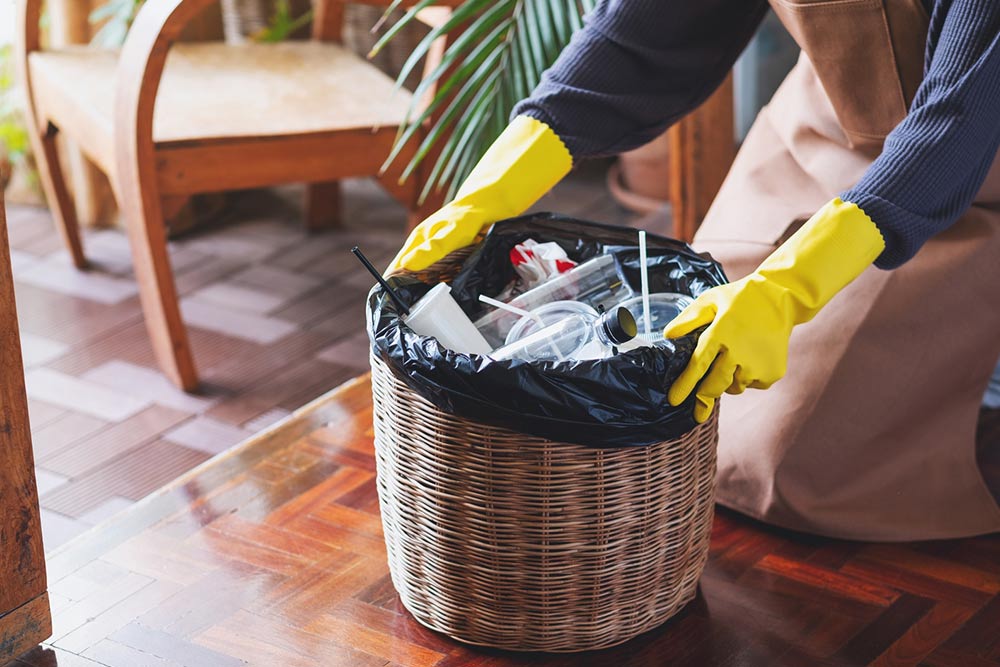
Trash bags are essential for collecting garbage and keeping it contained. They prevent waste from stinking up a place and causing health risks due to the accumulation of bacteria. That said, for trash bags to contain waste and keep it from spilling and leaking through, they must be of the proper size and correctly line the garbage bin. Here are a few mistakes to avoid that can cause trash bags to cave in and cause seepage:
1. Using flimsy trash bags
Buying flimsy garbage bags is one of the most common mistakes people make. While these might be more affordable, they can tear at the slightest pressure. If this happens, one will be left with a big mess at the bottom of the bin that they will have to clean up. Instead, one should use heavy-duty alternatives, like thick outdoor trash bags. They can hold more weight, are durable, and will not tear easily.
2. Using small bags
Many individuals use small garbage bags that just about fit a trash can. While this ensures a snug fit, the trash bag may not be sufficient to handle all the waste one needs to dispose of. Furthermore, it might be difficult for one to seal the bag when it needs to be disposed of. As a workaround, one must use large or extra-large garbage bags, even if they have a smaller trash can. Apart from ensuring more waste is secured in the bags, closing them will also be easier. Moreover, buying larger bags could help cut costs, as one can use disposable products for longer.
3. Picking non-tie options
In an attempt to save money, homeowners may buy garbage bags that have no ties. While this could save them a few dollars, the lack of a tie will make it much harder to seal the bag after dumping trash into it. One could spend a little more on garbage bags that come with ties. This will ensure the waste is more secure and does not spill when they move it outdoors or in the garbage disposal truck.
4. Storing extra bags in another room
While individuals may use only one garbage bag at a time, they should consider placing a roll in the room or corner where they keep their waste bin. This way, they do not have to go around the house looking for a new trash bag after they remove one. Storing trash bags in the same room as the bins allows one to quickly line an empty bin with a bag and throw away waste.
5. Not using bungee cords
One might use the largest trash bag available but still struggle to keep it from slipping into the bin. A feasible workaround involves using a bungee cord to keep the bag secured. One should allow the garbage bag to overhang and secure the bungee cord over the rim of the waste bin. If one isn’t enough, one could use two bungee cords to get the job done, especially if the bags hold electronic or building material waste, as these can be quite heavy.
6. Leaving the garbage lid unsecured
As important as it is to secure a waste bag, it is equally important to secure the lid of a waste bin, especially if one uses big bins that are placed outside the house on the curb to dispose of waste. Leaving lids unsecured can cause them to fly off on a windy day. An easy solution is to secure the lid with a bungee cord or lock.
7. Placing sharp or breakable objects in the bag
One might purchase the highest-quality trash bag but still find it torn. This is because the bag is made of plastic and has limitations. To prevent this from happening, one should avoid dumping sharp objects or anything fragile and breakable, like glass, inside the garbage bag. These items could snag the bag and compromise its structure. This could cause trash and liquid waste to spill all over the floor. The sharp objects could also be a safety issue for those who handle the garbage. One way to deal with this is to place broken glass or sharp objects in a container and dispose of them.
8. Not placing newspapers in the can
Most people simply line the bin with a trash bag before throwing wet waste into it. While a garbage bag may keep liquids secured inside, there’s always the chance of a tear that results in leaks. This could be quite messy and cause the liquids to accumulate at the bottom of the trash can. Therefore, placing newspapers at the bottom can help absorb the liquids and make it easier to clean up. This way, one also avoids bacterial and mold growth.
9. Placing the bag close to hot surfaces
While a trash can and bag are usually placed in the kitchen, one must avoid placing them near hot surfaces like an oven or the side of a fridge. The heat from these regions might compromise the bag’s structure, causing waste to seep out. Worse, it may accidentally be set on fire, especially if placed near the oven or stove, which could prove dangerous. Many people who like to compost waste put away a day’s worth of wet waste in small containers or bins placed on the countertops before throwing it into a compost bin. To avoid fires, one must place the bin away from the countertop.