9 common foods that may worsen eye health

The eyes are vital sensory organs that are often considered to be the window to the world. Their health is deeply interconnected with heart and blood vessel health, as they have capillaries that provide oxygen and nutrients to the retina. Over time, with fatty deposits and unhealthy foods, these can become blocked, causing trouble with one’s vision. To maintain eye function and health, one must include healthy foods and avoid those that worsen eye health.
Foods to avoid
Bread
Simple carbohydrates found in foods like bread, white rice, and pasta cause spikes in the glycemic index. Hyperglycemia has been linked to diabetic retinopathy and cataracts. It can also increase the risk of age-related macular degeneration (AMD), one of the leading causes of vision loss among older people.
Foods rich in simple carbohydrates may also increase the risk of high cholesterol and heart disease. This may further cause disturbances in one’s vision. Instead, it is advisable to opt for whole-grain alternatives.
Processed meat
Processed meats such as hot dogs, bacon, and deli meat are packed with high amounts of sodium. This can increase the risk of high blood pressure (hypertension) or cholesterol. Over time, it may result in:
- High blood pressure could cause damage to the retina, affecting one’s vision. This is known as hypertensive retinopathy. Common symptoms include worsening vision, swelling in the retina, lack of blood flow to the retina and optic nerve, and retinal detachment.
- Hypertension could also lead to the buildup of fluid underneath the retina, known as choroidopathy.
- In some cases, high blood pressure may also cause blockages in blood flow. This could damage nerves, causing vision loss.
It is advisable to limit one’s sodium intake to 2300 milligrams or less per day.
Fried foods
Fried foods could lead to a rise in bad cholesterol levels (LDL). This can increase the risk of conditions such as heart disease, stroke, and type-2 diabetes. Additionally, they facilitate the release of free radicals, which can harm healthy cells. These conditions could lead to the development of AMD or diabetic retinopathy, causing vision problems.
Cooking oils
Popular cooking oils such as safflower, sunflower, corn, soybean, and sesame oil contain linoleic acid. According to research, excessive intake of this acid could increase the risk of AMD. It is advisable to avoid hydrogenated oils and trans fats. Instead, opt for oils with less than 4 grams of saturated fat per tablespoon.
Margarine
Margarine is made from vegetable oils. It may also contain trans fats, increasing the risk of high cholesterol. This could further lead to heart as well as vision problems. Liquid margarine is likely to have less trans fats. When shopping for margarine, look for varieties that state zero trans fats on the label.
Ready-to-eat foods
Many prepared and pre-packaged foods contain high amounts of sodium. This includes canned goods, soup, tomato sauce, frozen meals, etc. It is best to limit the intake of these foods or opt for low-sodium versions. Consider flavoring foods with herbs and spices instead.
Sugary drinks
Beverages such as soda and energy drinks lack nutritional value. Moreover, one serving may contain between 7 and 10 teaspoons of sugar. As a result, they have become the nation’s most popular source of added sugar. Regularly consuming these drinks can significantly increase one’s risk of type-2 diabetes and heart disease. This can, in turn, lead to conditions such as diabetic retinopathy and AMD.
Certain fish
In most cases, the mercury content found in fish and shellfish does not impact one’s health. However, for those who consume large quantities of fish or those with certain health problems, it may cause serious health repercussions, including eye damage. For this reason, pregnant women, nursing women, and children must not have more than 8-12 ounces of fish and shellfish per week.
Caffeine
According to certain studies, caffeine, found in beverages like coffee and tea, may increase intraocular pressure (IOP, or pressure inside the eye) among those with glaucoma and ocular hypertension (OHT). This may lead to vision problems or blindness.
Foods that may improve eye health
To maintain healthy eyes, it is important to eat vitamin and mineral-rich foods. Certain foods that may help achieve this goal include:
- Orange-colored foods and vegetables
Bright orange and red-colored foods such as oranges, carrots, and red bell peppers are excellent sources of vitamins C and E, which are powerful antioxidants. They also contain beta-carotene and zinc. Squash is rich in lutein and zeaxanthin, which can help preserve vision and lower the risk of cataracts and AMD. - Leafy greens
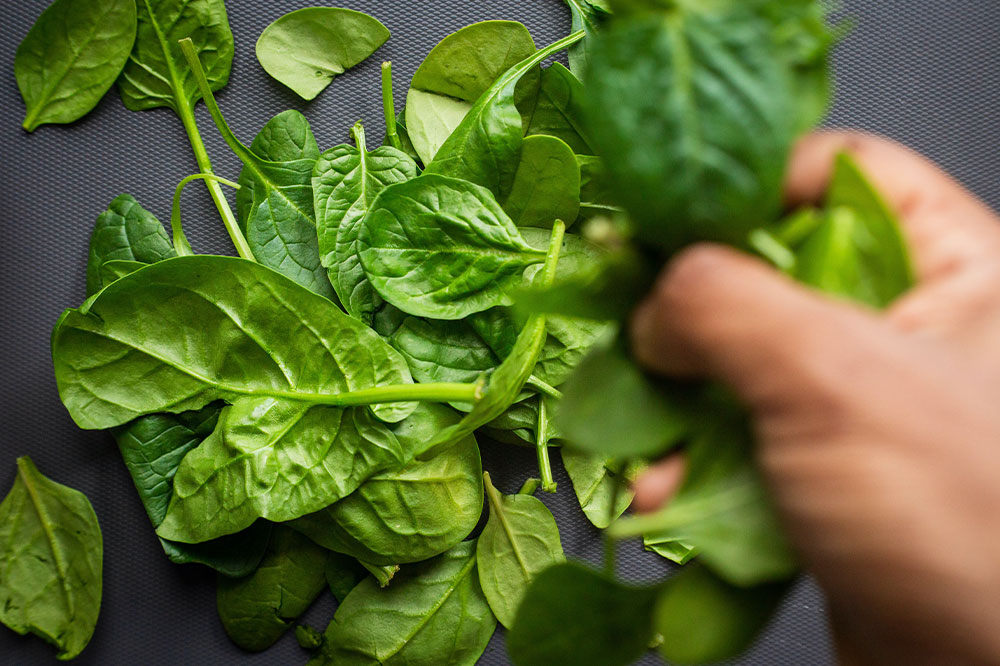
Spinach, kale, and collards are also rich in lutein, zeaxanthin, and vitamins A, C, and E, which are crucial for eye health. - Nuts and seeds
A one-ounce serving of nuts such as almonds, walnuts, or peanuts provides half the recommended daily intake of vitamin E. Chia and sunflower seeds are also a healthy source of antioxidants and fiber. - Salmon
The retina needs DHA and EPA omega-3 fatty acids for optimal functioning. While it is important for immune function, it is crucial for retina and visual development in the eyes. It can also protect against dry eye syndrome and AMD. Omega-3 fatty acids are found in salmon, tuna, mackerel, sardines, trout, herring, and anchovies. - Legumes and beans
Zinc and fiber are also important to maintain eye health. Zinc is responsible for carrying vitamin A from the liver to the retina to help produce melanin, which protects the eyes against UV damage. It can be found in chickpeas, kidney beans, lentils, black-eyed peas, etc.
Being proactive about one’s health can help one enjoy the gift of sight. Avoiding harmful foods such as white bread, processed meats, margarine, and sugary drinks can help reduce the risk of vision loss, while opting for healthier alternatives like leafy green vegetables and vitamin-C-rich foods may help bolster immune response and eyesight.