9 common bad habits that damage headphones
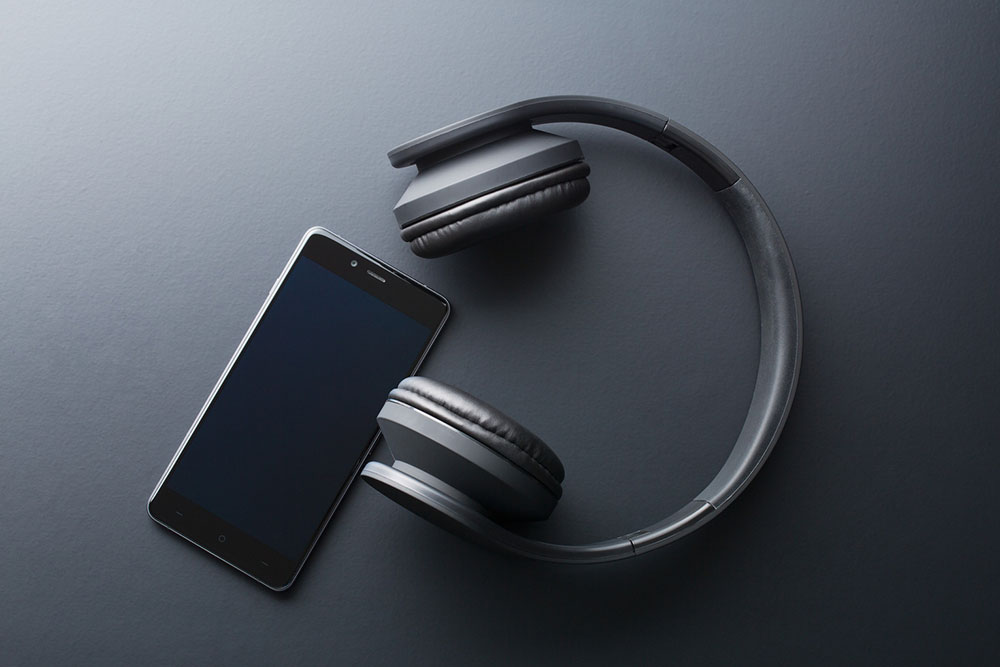
Headphones are tech accessories that most individuals carry almost everywhere. People love listening to music while traveling, exercising, or when relaxing at home, and immersive headphones allow them to do that effortlessly. However, like most electronic gadgets, headphones are also prone to issues like damage to the wires or problems with the speaker. Individuals must be careful to prevent exposing their devices to such problems. Here are some common bad habits that may destroy headphones.
Confusing “waterproof” with “water-resistant”
IP ratings, or the Ingress Projection ratings, are common headphone terms that denote the water-resistant or waterproof capability of devices. Consumers tend to use the terms “water-resistant” and “waterproof” interchangeably. IP ratings of headphones talk about the level of protection they have against solids like dust and liquids like water.
The ratings have different levels, and waterproof is different from water-resistant. One talks about how deep inside water a headphone can be taken, while the other talks about the resistive capability of headphones when exposed to water splashes. Mistaking one for the other leads to users taking their headphones in water-heavy or dust-heavy surroundings, leaving them vulnerable to damage.
Wearing headphones for too long
Wearing headphones on for long periods can be just as bad for one’s ears as for the device. Like any machine, headphones undergo wear when they are used for long periods. So, using them continuously and emptying their battery before charging them reduces the battery life and overall usability of headphones. More worryingly, long-time headphone usage also causes ear damage eventually. For better ear health, individuals can use their headphones as much as they want by taking enough breaks in between.
Ideally, one must avoid using headphones continuously for several hours. Instead, experts advise using them for an hour at a stretch before giving one’s ears and the headphones a much-needed break.
Not cleaning headphones regularly
Headphones tend to accumulate dirt and dust quickly due to constant exposure to the environment and frequent usage. Therefore, it is important to clean headphones from time to time to ensure they are free of contaminants collected from various places like the users’ hands and ears and commonly touched surfaces like staircase railings, elevator buttons, and door handles, among others. Maintaining clean headphones is a good hygienic practice.
Not storing earphones in a clean place after usage
Headphones tend to collect dust and dirt when they are exposed to external elements. Therefore, it is advised to carefully store such devices in a clean and dry storage space when they are not in use. One can use a case to store their headphones to extend the device’s usage life.
Listening to music on loud for long periods
Listening to music at high volumes tends to cause wear to the drivers of a headphone. Additionally, doing so also causes long-term eardrum damage to listeners. After a while, if a user continuously listens to music on the loudest available volume, there will be distortion levels in the volume, and the depth of the bass will fade away.
There is no harm in listening to music on headphones at 50 to 75 percent volume but going higher may decrease the headphones’ overall usability.
Tangling up wires
The cable of a given headphone (many music listeners prefer cabled devices as opposed to wireless ones for convenience) is integral to its overall performance. After all, the sound that is processed at the hub of a given headphone then goes on to be transported through its cable into the ears of listeners. A surefire way to damage these cables that come in headphones is to constantly keep them entangled and in endless knots. When headphone cables are consistently entangled, the internal components essential for proper functioning can eventually become damaged due to wear and tear.
Therefore, it is advised to keep one’s headphone cables untangled for as long as possible. Alternatively, one can use methods like the double-fold headphone storage option to keep cable entanglement at bay.
Exposing headphones to pets
Pet parents often find joy in sharing their tastes in music with their furry friends. Many individuals make their pets wear their headphones to listen to the music they love. However, doing so exposes the headphones to fur, saliva, dust particles, and mites. All these, in combination, can destroy headphones quickly.
Exposing headphones to water and other fluids
Headphones that do not have waterproof or water-resistant capabilities will get damaged easily if they are exposed to fluids and water. Unfortunately, some people tend to wear their headphones while taking a dip in the pool. Later, they regret doing so, but only after understanding that their headphones were not designed to withstand underwater conditions. To prevent this, opt for waterproof or water-resistant headphones for activities involving exposure to water or fluids.
Not spending enough
Headphone care accessories like cleaners and polishers are available in the market. However, most people ignore such products or are not aware of them. Additionally, opting for cheaper headphones may result in less durable and resilient devices that may not perform as well, especially after rough usage. To avoid this, it is advised to buy premium, good-quality headphones.