8 ways to find water leaks at home
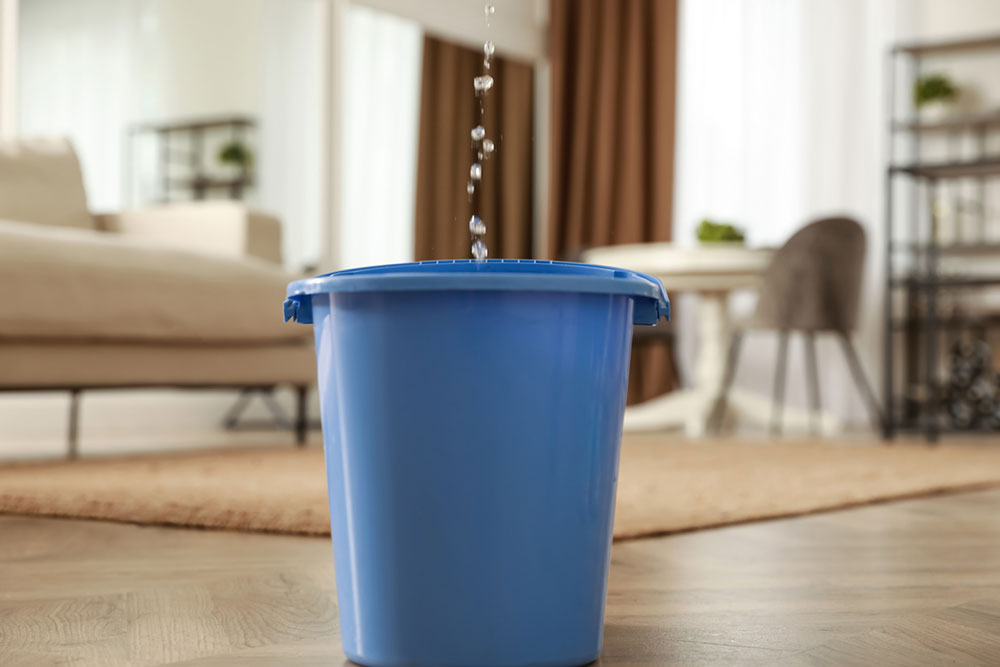
Households rely on running water to carry out all kinds of tasks, from drinking and bathing to watering plants. This supply can stay uninterrupted as long as the water is safely contained in pipes. The problem arises when water finds gaps and leaks, potentially damaging the home’s structure. One way to prevent such damage is to check for leaks around the home. So, here are a few ways to find hidden water leaks:
1. Monitoring the water bill
Over time, one tends to have a clear idea about the average water bill they can expect each month. Sometimes, one may use excess water, which could drive up water usage. However, sometimes, one can get a high water bill even without excessive usage. Such unexpected charges should be monitored as they could be signs of leakage in the house. Even tiny leaks, such as a faucet with a steady drip, may waste as much as 10,000 gallons of water per year. So, tracking the bill each month is the best way to identify and fix a water leakage at the earliest to prevent spikes in bills.
2. Checking meter readings
Monitoring the water meter is another method of tracking a leak before it worsens. The meter runs up based on the usage, and if there is a tap running, one could expect the numbers to change accordingly. The meter is usually located beneath a manhole-type cover near the street or on the side or back of the house, close the where the water supply line enters the home. Here is how to check for a leak:
– First, one must turn off all water faucets in the home and ensure appliances like the washing machine and dishwasher are not running. Then, they must check the water meter and make a note of the numbers on it. After an hour, one should come back and recheck the meter reading. If there is a leak, the numbers would have changed on the meter.
– Upon detecting a leak, to determine if the problem is indoors or outdoors, one must turn off the shut-off valve on the home’s main water supply pipe—usually located in a basement or utility room where the pipe enters the home. They must check the water meter, note down the numbers, wait another hour, and check again for a change in numbers. A change in numbers would indicate an external leak in the pipeline running to the home.
3. Looking for patches of greener grass
While a lush lawn is a delightful sight, one may notice patches of grass that are greener than the rest of the lawn. This is usually a clear indicator of a leak in a pipe buried beneath those patches of grass. If the leak is big, one may even notice small water puddles on the surface. These leaks must be dealt with immediately to avoid water wastage.
4. Checking appliances and fixtures
If a meter test indicates a leak is inside the home, one must check their appliances and fixtures for water damage. Such issues can develop inside the cabinets, under the kitchen, bathroom, and in the laundry room. One should ensure that these areas are dry. The homeowner should also look for puddles around the base of toilets, tubs, and showers and beneath the water heater, dishwasher, and washing machine. Pools of water here can indicate a leak. Then, one must cut off the water supply valve and get the issue fixed as soon as possible.
5. Performing the dye test
One can check if the toilet needs to be repaired by performing the dye test. Here, one can add a couple of drops of food coloring to the toilet tank and wait 10 minutes. If the color shows up in the bowl, there might be a leak, letting the water flow from the tank to the bowl without one flushing it. One could replace the flapper of the flush tank to fix this leak.
6. Looking for clues
Sometimes, water might leak slowly from pipe fittings within a wall, but one might not notice this until there is excessive damage. In this case, even if the water meter test indicates there is no leak, one can develop later. So, one should keep an eye out for clues, such as discoloration of the wall if water leaks from behind the drywall and soaks through to the front side. Other signs to look for are bubbling paint or bulging wallpaper, a faint dripping sound, and a musty smell.
7. Using leak detectors
Certain pipes and fixtures are prone to leaking more than others. One may also have an older water heater that might develop pinholes along its bottom due to corrosion inside the tank. Further, water pipes that lead to exterior water faucets may freeze and burst during cold winters. To avoid such damage, one should consider installing a leak detector—a battery-operated device that sounds a shrill alarm upon detecting even a small amount of water. This will alert one to turn off the water supply and have the leak fixed before it worsens.
8. Seeking professional assistance
If one is unable to identify the source but suspects a leak, they should hire a professional to conduct an inspection. An experienced plumber may easily identify and fix the problem at the earliest. The expert may also recommend ways to prevent leaks in the future, such as investing in better or newer equipment.